In the world of construction, steel structures stand out for their strength and durability. China has emerged as a leading supplier of these materials. As a global buyer, understanding the market is essential. The demand for quality steel structures is increasing, influenced by rapid urbanization and infrastructure development.
Chinese suppliers offer a wide range of options. Their ability to produce at scale allows for competitive pricing. However, navigating this market can be challenging. Not all suppliers maintain the same standards of quality. Researching supplier credentials is crucial for making informed decisions.
This exploration will highlight top steel structure suppliers. It will also address potential pitfalls buyers may encounter. With clearer insights, global buyers can make choices that enhance project outcomes.
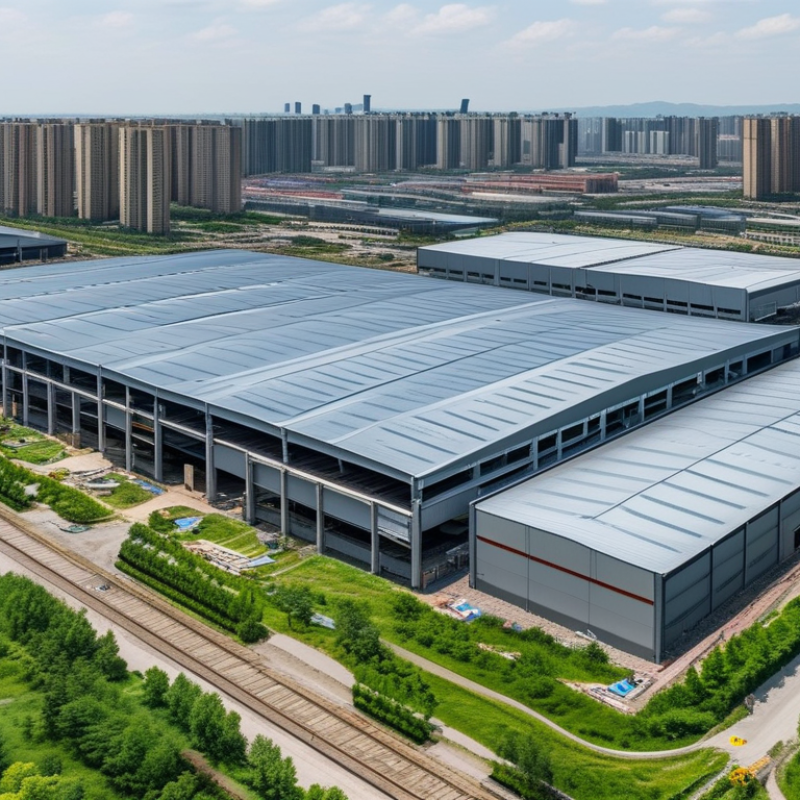
China has become a major player in the global steel structure market. The rapid urbanization and industrial growth in the country have fostered a thriving ecosystem for suppliers. Many companies in China boast modern facilities and advanced technologies, ensuring high-quality steel structures. They cater to a variety of industries, from construction to manufacturing. Effective supply chains contribute to their success.
However, challenges remain. Not all suppliers uphold the same quality standards. Some may cut costs, affecting structural integrity. Buyers must conduct due diligence before making a decision. It is crucial to assess suppliers' certifications and track records. Engaging in detailed discussions with potential partners can reveal their capabilities and commitment to quality.
Transparency is essential in this market. Clear communication about project requirements can prevent misunderstandings later. Each project has unique demands. Finding a supplier that aligns with your specific needs is vital. Proper research and assessments can lead to fruitful partnerships in this competitive landscape.
When considering steel structure suppliers in China, several key factors arise. One major influence is the supplier's production capacity. Suppliers with advanced technology and modern facilities can handle large projects efficiently. This capability ensures timely deliveries, critical for project planning.
Quality control is another vital aspect. Suppliers must adhere to stringent quality standards. A robust quality assurance process can significantly impact the final product. Flaws in steel structures can lead to safety issues, making this a non-negotiable factor.
Additionally, after-sales support matters. Reliable suppliers offer ongoing assistance post-purchase. Buyers appreciate prompt responses to inquiries and effective solutions to issues. These elements build trust and foster long-term relationships, essential in global business. Yet, some suppliers may overlook communication, leading to misunderstandings. Continuous improvement in these areas is crucial for success.
China plays a pivotal role in global steel production. As of recent reports, the country's steel output remains the highest in the world. In 2022, China accounted for nearly 57% of the global steel production. This significant capacity reflects both the country's extensive industrial base and its strategic investments in infrastructure.
Export trends indicate a mixed scenario. While demand for steel has surged in several global markets, challenges persist. Tariffs, environmental regulations, and international trade dynamics can complicate exports. Data shows fluctuations in export volumes, primarily influenced by global economic conditions. Additionally, the reliance on certain regions may lead to vulnerabilities in supply chains.
Sustainability is an increasing concern in steel production. Many suppliers are investing in technologies to reduce carbon emissions. However, discrepancies in practices among suppliers still exist. This gap highlights the need for buyers to evaluate the sustainability efforts of potential partners comprehensively. Ultimately, transparency and accountability in suppliers will shape the future of steel imports.
| Supplier Type | Annual Production Capacity (Million Tons) | Export Volume (Million Tons) | Market Share (%) | Main Export Regions |
|---|---|---|---|---|
| Large State-Owned Enterprises | 50 | 30 | 45 | Asia, Europe |
| Private Enterprises | 20 | 15 | 25 | North America, Africa |
| Joint Ventures | 30 | 10 | 20 | Australia, Middle East |
| Small and Medium Enterprises | 10 | 5 | 10 | South America, Europe |
When selecting steel structure suppliers in China, quality standards play a crucial role. Many manufacturers claim to meet global quality benchmarks. However, the reality can differ. Buyers should closely evaluate the certifications held by suppliers. Common standards include ISO and ASTM. These certifications indicate a commitment to quality.
One notable challenge is the inconsistency among suppliers. While some maintain rigorous processes, others may cut corners to reduce costs. This leads to variations in product quality. Samples are essential in this assessment. Requesting test reports can provide insights into the material's strength and durability. Transparency is often a good sign.
Another aspect worth considering is the supplier's track record. Companies with extensive experience tend to understand global regulations better. They are likely to provide better support for international buyers. However, not all experienced suppliers guarantee innovation. Outdated practices can hinder progress. Buyers should look for those who embrace new technologies while maintaining quality standards.
Emerging technologies are transforming steel structure manufacturing in China. Innovations like automation and artificial intelligence enhance precision and efficiency. These advancements lead to reduced waste and faster project completion.
3D printing is making waves in the industry. It allows for complex designs that traditional methods cannot achieve. Moreover, it minimizes material usage, which is crucial for sustainability. Robotics in welding and assembly processes also improve safety and reliability, making operations more efficient.
When exploring suppliers, consider their commitment to adopting new technologies. Look for companies that invest in R&D and stay updated with industry trends. Transparency in operations is essential for building trust. Assess their past projects for quality and innovation. This reflection can guide you in making informed decisions.