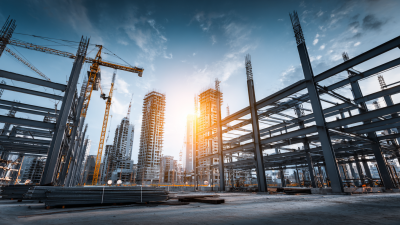
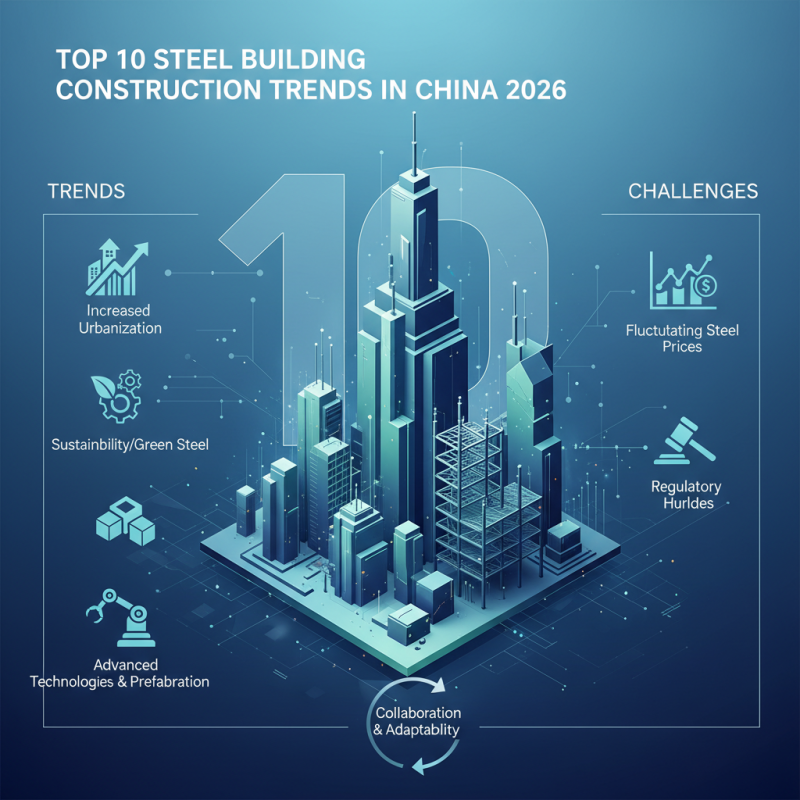
The landscape of steel building construction in China is evolving rapidly. As we approach 2026, several trends are reshaping the industry. Increased urbanization demands innovative solutions to space constraints. Steel buildings offer flexibility and scalability, accommodating diverse needs.
Sustainability is becoming integral to construction. Eco-friendly materials and practices are gaining traction. Companies are focusing on reducing their carbon footprint. This shift highlights the importance of green steel. Advanced technologies are enhancing the efficiency of steel building construction. Robotics and prefabrication techniques are on the rise, reducing costs and time in the building process.
However, challenges remain. The market faces fluctuating steel prices and regulatory hurdles. These factors can complicate project planning. Stakeholders must navigate these complexities carefully. Addressing these issues requires collaboration and adaptability. As we explore the top trends, it’s essential to understand both the opportunities and the challenges in the steel building construction sector.
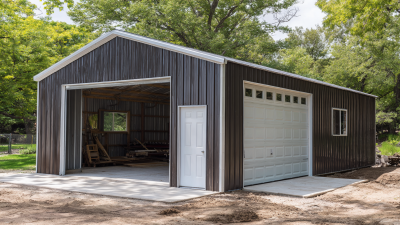
Government policies play a crucial role in shaping steel building construction trends in China. Recent regulations aim to promote sustainable development and reduce carbon emissions. Their emergence has caused many construction firms to rethink their strategies. Emphasis on eco-friendly materials and energy efficiency is becoming a norm. Builders are seeking to comply, yet some are struggling to adapt to the rapid changes.
Investment incentives and subsidies are often tied to government initiatives. Local governments are providing financial support to projects that integrate green technologies. This can encourage builders to incorporate solar panels or energy-efficient systems. However, not all construction companies have the resources to implement these upgrades. Some may prioritize short-term gains over sustainable practices. Ignoring these trends could lead to falling behind competitors.
Additionally, the pressure from regulations has led to a skills gap in the workforce. There is a growing need for trained professionals who understand new materials and building techniques. Many companies are investing in training programs, but challenges remain. This uncertain landscape requires constant adaptation. Steel building construction in China is evolving, and only those who embrace change will thrive.
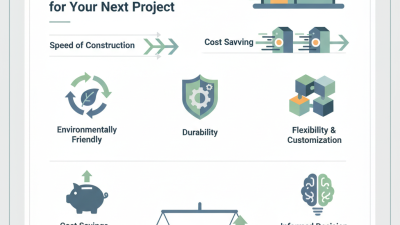
This chart presents the top 10 steel building construction trends in China for the year 2026, reflecting the impact of various factors on construction practices. The trends focus on sustainability, technology integration, and regulatory adherence, which are essential for modern construction projects.
The steel building construction industry in China is evolving rapidly. Advanced technologies in steel fabrication and assembly are becoming essential. These innovations include automation, robotics, and 3D printing. They enhance precision and speed in construction projects. As a result, construction costs may decrease while quality improves.
Incorporating automated machines can streamline the fabrication process. However, these systems require skilled operators to manage them effectively. Training and adapting workforce skills is critical. Moreover, integrating new technologies can pose challenges for companies steeped in traditional practices. The transition demands a careful approach to ensure safety and efficiency.
Tips: Embrace new tools cautiously. Evaluate their impact on workflow before full implementation. Pay attention to how technology affects team dynamics. Regularly review processes to identify areas of improvement. Adopting a technology-first mindset can drive positive changes. But it's important not to overlook the human element in construction.
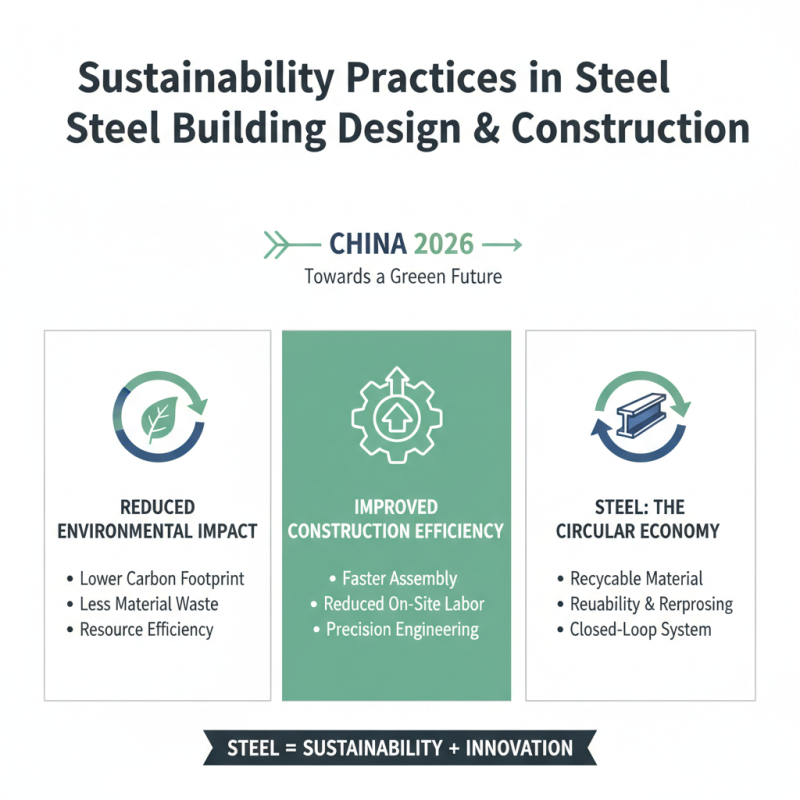
As China moves towards 2026, sustainability in steel building design is gaining traction. This trend focuses on reducing environmental impact while improving efficiency in construction. Steel, being recyclable, offers advantages over traditional building materials. It can be reused and repurposed, promoting a circular economy in the construction sector.
Innovative practices are emerging, such as green steel production, which lowers carbon emissions. More designers are incorporating energy-efficient technologies into their projects. Solar panels and advanced insulation materials are becoming common features. However, there is still room for improvement. Many builders face challenges in sourcing sustainable materials that meet regulatory standards.
Collaboration between architects, engineers, and contractors is essential. They must prioritize sustainable practices from the project’s inception. Some still overlook the long-term benefits of these practices, focusing instead on immediate costs. This perspective may hinder broader adoption of sustainable methods. Addressing these challenges is crucial as the industry evolves.
The steel construction market in China is rapidly evolving. As we approach 2026, several economic factors are shaping this industry. Infrastructure development remains a top priority for the government, driving demand for steel buildings. Urbanization is accelerating, causing increased need for commercial spaces and housing. This trend creates opportunities for efficient steel structures.
However, there are challenges. Fluctuating raw material prices can impact project budgets. Skilled labor shortages may also hinder construction progress. Companies must adapt to maintain competitiveness. Sustainability is gaining traction. Eco-friendly practices in steel production can influence buyer preferences. Investors are looking for projects with lower carbon footprints. These factors complicate decision-making for developers.
Adopting technological innovations is crucial. Automation and advanced software can enhance efficiency. Yet, some firms struggle with the transition to new methods. Training staff and integrating new tools can be daunting. Addressing these obstacles will be vital for success. The future of steel construction in China will depend on balancing demand, economic influences, and sustainability initiatives.
In urban environments, the role of steel buildings is evolving. Innovations in structural engineering are spearheading this transformation. Advanced materials, like high-strength steel, enhance construction efficiency and building longevity. These developments allow for taller structures with smaller footprints, maximizing urban space.
Emerging technologies, such as parametric design and 3D modeling, revolutionize the design process. They enable engineers to simulate various stress factors on steel structures. This results in safer, more resilient buildings. Real-time data processing during construction ensures compliance with safety standards, but it also raises challenges in data management.
Tip: Consider collaborating with experienced engineers when adopting new technologies. Their expertise will guide you through potential pitfalls.
Sustainability is also a critical focus. Steel's recyclability aligns with eco-friendly construction goals. However, the environmental impact of production remains a concern. It's essential to balance innovation with sustainability.
Tip: Evaluate the entire lifecycle of materials when planning your projects. This approach promotes responsible construction practices.