Top 10 Benefits of Steel Structure Buildings for Buyers?

In recent years, steel structure buildings have gained immense popularity among buyers. Experts like Dr. Emily Roberts, a leading architect in sustainable construction, note, "Steel structures offer durability and flexibility for modern needs." This statement reflects the growing appreciation for the tangible benefits these buildings provide.

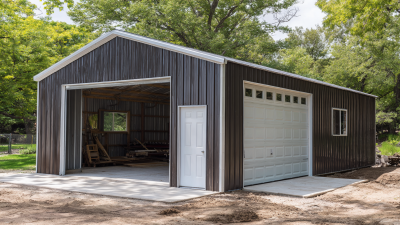
Steel structure buildings are highly valued for their strength and longevity. They resist harsh weather, reducing maintenance costs for owners. In addition, their adaptability allows for innovative designs that accommodate various functions. The construction speed is impressive, enabling quicker project completion.

However, it’s essential to consider potential drawbacks. Initial costs can be higher than traditional materials. Buyers must weigh long-term savings against upfront expenses. Nonetheless, the benefits often outweigh these concerns, especially in urban areas where space is limited. As the industry evolves, continued improvements in technology will elevate the advantages of steel structure buildings even further.
Top 10 Benefits of Steel Structure Buildings for Buyers?

Advantages of Steel Structures in Construction Projects
Top 10 Benefits of Steel Structure Buildings for Buyers?

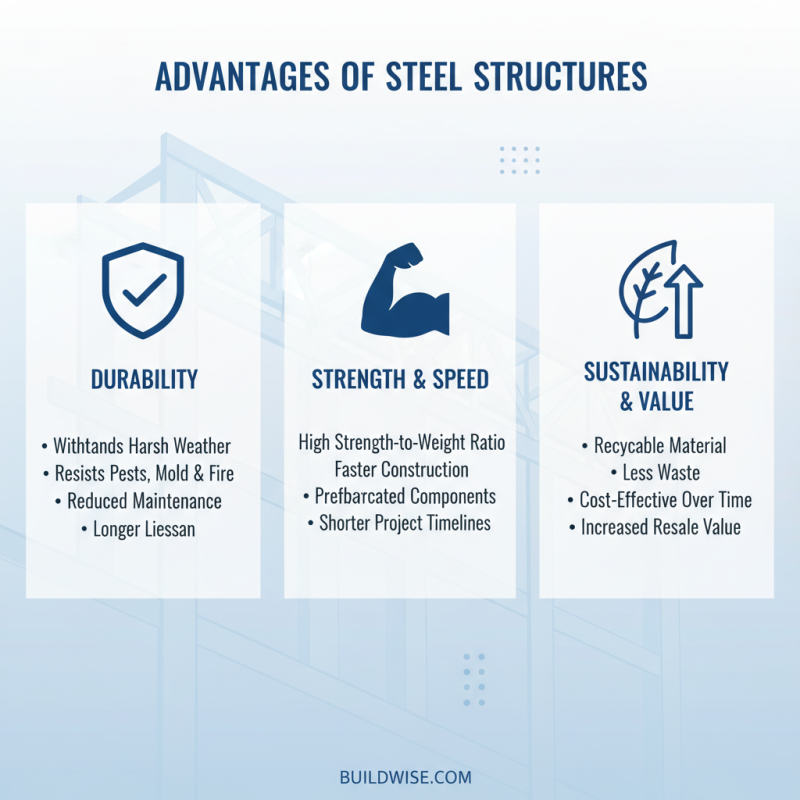
Steel structures offer various advantages in construction projects, making them increasingly popular among builders and buyers. One significant benefit is durability. Steel can withstand harsh weather, reducing maintenance costs over time. It resists pests, mold, and fire, adding to the building's longevity. This resilience means fewer repairs and longer lifespans for buildings.

Another advantage is design flexibility. Steel frames allow for open spaces and creative architectural styles. This versatility is appealing for various projects, from commercial spaces to residential homes. The steel construction process tends to be faster, which can save time and labor costs. However, coordinating these faster processes can sometimes pose challenges for project managers, requiring careful planning.

Sustainability is a vital aspect of steel structures. Steel is recyclable, which supports eco-friendly building practices. Many buyers appreciate this green initiative. Yet, sourcing steel can still impact the environment. It is essential to consider the entire lifecycle of materials used. Balancing these factors highlights the complexity of modern construction. Engaging experienced professionals can make a significant difference in achieving project goals effectively.
Durability and Longevity of Steel Structure Buildings

Steel structure buildings offer remarkable durability and longevity, standing as a superior choice for buyers. With steel's natural resistance to harsh weather, corrosion, and pests, these structures can last up to 50 years or more with minimal maintenance. The American Institute of Steel Construction (AISC) notes that steel structures can endure extreme environments better than traditional materials.

Moreover, a report from the World Steel Association highlights that steel's strength-to-weight ratio is significantly higher than that of other construction materials. This means less material is required, translating into cost savings and reduced environmental impact. However, potential buyers should be aware that while steel offers long-term benefits, initial costs can be higher compared to wood or concrete.

It's important to engage with experienced professionals during the design phase. Some might underestimate the need for proper insulation and fireproofing in steel frames. Ensuring the right specifications can significantly enhance the lifespan of the building. Attention to these details can prevent future expenses and enhance overall structural integrity.

Top 10 Benefits of Steel Structure Buildings

This chart illustrates the top benefits of steel structure buildings as perceived by buyers. The data highlights the advantages that make steel structures a favorable choice in construction.

Cost-Effectiveness in Material and Maintenance for Buyers

Steel structure buildings offer significant cost-effectiveness, particularly in terms of material use and maintenance. According to a study by the American Institute of Steel Construction (AISC), steel structures can be up to 30% more cost-effective compared to traditional building materials. This is largely due to the reduced need for heavy foundations and complex structural supports, allowing for more efficient designs.

Maintenance costs are another area where steel structures excel. A report from the National Institute of Standards and Technology (NIST) indicates that steel structures require 50% less maintenance over their lifetime than wood or concrete buildings. The durability of steel resists corrosion and damage, which means fewer repairs and renovations over time. For buyers, this translates into lower long-term costs and higher returns on investment.

Tips: When evaluating steel structure options, consider long-term maintenance and energy efficiency. The initial investment can be higher, but savings on maintenance often offset this. Look into energy-efficient designs, as they can provide additional cost benefits.

Sustainability and Environmental Benefits of Steel Structures

Top 10 Benefits of Steel Structure Buildings for Buyers?

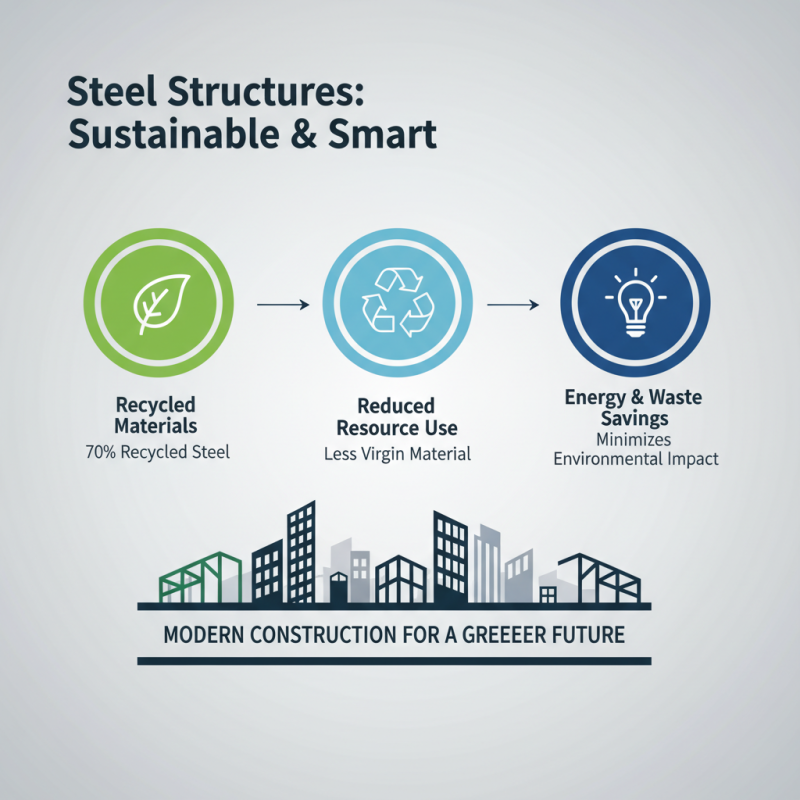
Steel structure buildings offer significant environmental benefits, making them a smart choice for modern construction. These structures utilize recycled materials, reducing the need for new raw resources. Approximately 70% of steel can be recycled without losing quality. This process conserves energy and minimizes waste, showcasing a commitment to sustainability.

Moreover, steel buildings have excellent durability. They withstand severe weather conditions, reducing the need for frequent repairs or replacements. Environments with harsh climates benefit greatly. The life cycle of steel is lengthy, which means fewer materials end up in landfills. In addition, steel's energy efficiency can lower overall operational costs for owners.

Beyond construction, steel buildings contribute to energy savings. Their ability to reflect sunlight reduces cooling costs. Insulation can be integrated effectively, boosting energy performance. While the initial investment in steel can be higher, the long-term savings and environmental benefits often justify the cost. However, buyers should research local resources and expertise to help them navigate potential challenges in sourcing sustainable materials.

Design Flexibility and Aesthetic Options in Steel Construction

Design flexibility is a key advantage of steel structure buildings. This material allows for creative architectural designs that are both functional and visually appealing. According to a report from McKinsey, steel framing can reduce construction costs by up to 20% while providing greater design adaptability. This flexibility supports various aesthetic options, ranging from modern minimalism to classic styles.

Sustainability also plays a vital role in steel construction. Steel is 100% recyclable, making it an environmentally friendly choice. A study conducted by the World Steel Association highlights that using steel can minimize construction waste significantly. This ecological benefit enhances a building's overall appeal, aligning with the growing demand for sustainable architecture.

Tips: When planning a steel structure, consider engaging with experienced architects early on. They can offer insights into the latest trends and innovative design solutions. Visualizing different layouts before finalizing can also help you choose the most appealing aesthetic for your project. Regularly reviewing your design can reveal new possibilities and avoid potential design pitfalls.