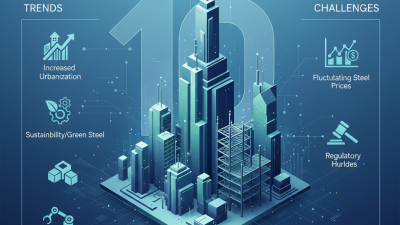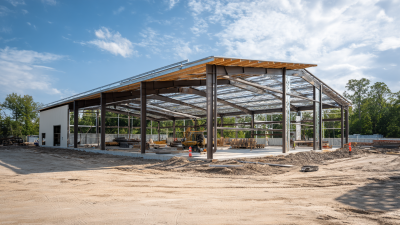
In the rapidly evolving landscape of construction, optimizing steel building construction is crucial for satisfying global buyers. According to the Steel Construction Institute, the global steel construction market is expected to reach $1.1 trillion by 2027. This growth underscores the need for efficiency and innovation in construction practices. Experts highlight that steel structures are favored for their durability and sustainability.
John Smith, a leading expert in steel building construction, once stated, "Efficiency in construction is not just about speed; it's about resource management." His insight points to the importance of using advanced technologies and methods. Techniques such as modular construction and lean management significantly reduce waste and enhance productivity.
Despite the potential benefits, challenges remain in adapting to various regional regulations and market demands. Understanding different buyer preferences is essential, yet often overlooked. The industry must strive for better alignment between construction practices and buyer expectations to truly thrive in the global market.
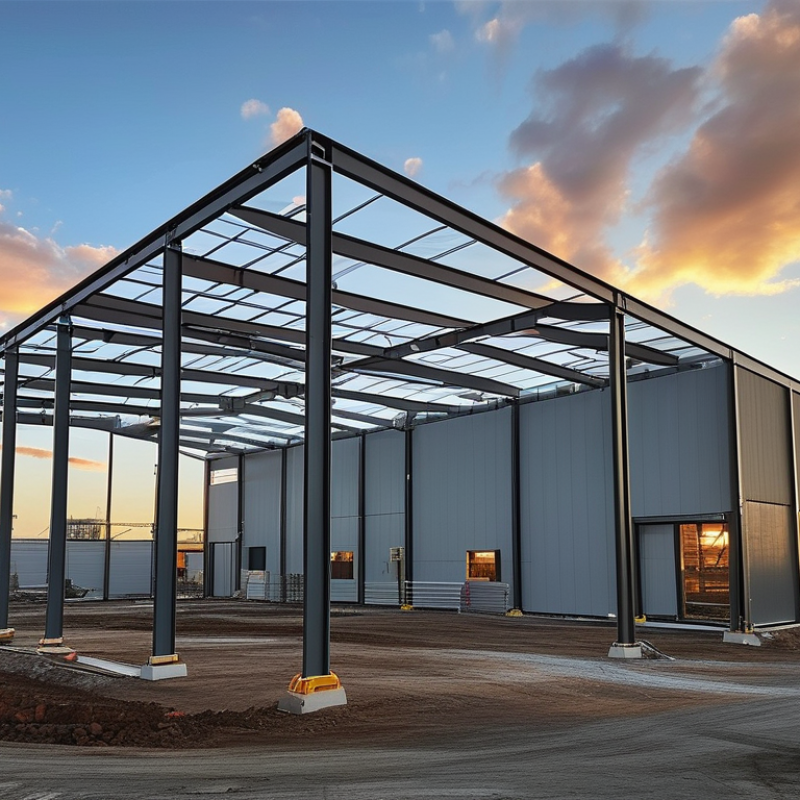
In recent years, optimizing design and engineering processes in steel construction has garnered significant attention. The global steel building market is expected to reach $246 billion by 2025, according to industry reports. Efficiency in these processes is critical for capturing market opportunities. Modern engineering tools like Building Information Modeling (BIM) can streamline workflows. This technology enhances collaboration, minimizes errors, and reduces rework.
However, the adoption of new technologies is not without its challenges. A 2021 study highlighted that only 40% of construction firms effectively utilize BIM. A gap in training and resistance to change can hinder progress. Addressing these issues is essential for firms aiming to enhance their competitiveness in the global marketplace.
Focusing on integration between design and engineering also proves vital. A survey by McKinsey found that adopting an integrated approach could reduce project timelines by up to 30%. Responsive design techniques allow for quick adjustments as projects evolve. Yet, without a commitment to continual improvement, firms risk stagnation. The road to optimization requires ongoing reflection on practices and outcomes.
Maximizing material efficiency in steel building construction is crucial for global buyers. To achieve this, using advanced modeling software can lead to precise calculations. These tools help determine the exact amount of steel needed, reducing waste and lowering costs.
Efficient design eliminates unnecessary elements. This approach conservatively manages resources while maintaining structural integrity.
Design revisions can also contribute to efficiency. Each change involves reflection on material use. Some designs may appear optimal but waste materials due to excess. For instance, reconsidering beam placements can minimize steel without compromising safety. Collaboration among architects, engineers, and contractors aids in developing smarter designs.
However, challenges exist. Not all regions have access to modern tools. Training local workers on efficiency practices remains essential. Finding the balance between cost and quality is a continuous struggle. An open dialogue about setbacks enhances overall performance in projects. By fostering a culture of exploration and critical thinking, the construction industry can evolve and meet global buyer demands more effectively.
In today’s global market, the construction of steel buildings faces unique challenges. Embracing advanced technology is crucial for improving project management efficiency. Digital tools like Building Information Modeling (BIM) help in visualizing construction before it starts. This reduces errors and enhances collaboration among teams. Project managers can make real-time adjustments, improving workflow throughout the project lifecycle.
Integrating IoT devices can provide essential data on site conditions. Monitoring resources and progress through smart sensors leads to more informed decisions. These technologies enhance reliability but require skilled operators. Investing in training is necessary. Without proper understanding, the benefits of technology can fall short. Communication among teams also remains a challenge. Clear protocols should be established to ensure everyone is on the same page.
Adopting cloud-based project management software fosters better transparency. Teams can access documents from anywhere, but bandwidth issues can hinder communication. This may lead to delays. Regular check-ins and feedback loops are vital. Recognizing these imperfections in workflow can guide future strategies. Adapting technology is a continuous process, and reflecting on these challenges can yield improvements for upcoming projects.
| Dimension | Description | Value (Percentage) | Notes |
|---|---|---|---|
| Project Planning Efficiency | Measure of how well project timelines are met | 85% | Increased efficiency through better tracking |
| Cost Overrun Rate | Excess spending compared to budget | 10% | Reduced with effective technology integration |
| Material Waste Percentage | Amount of wasted materials on site | 5% | Improved with precise cutting technologies |
| Labor Productivity | Output per labor hour | 20% increase | Boosted by automation in certain tasks |
| Client Satisfaction Rate | Measure of client feedback and satisfaction | 92% | High due to improved communication and transparency |
Sustainable practices in steel construction are increasingly crucial for global buyers. Reports indicate that the construction industry accounts for 39% of global carbon emissions. To mitigate this, adopting eco-friendly processes is essential. Steel recycling is a significant part of this. According to the World Steel Association, over 85% of the steel used in construction is recycled material. This statistic underscores the potential for sustainability in steel building projects.
Moreover, green building certifications are gaining importance. Buildings certified by the Leadership in Energy and Environmental Design (LEED) show significant reductions in energy use. For example, LEED-certified structures consume 25% less energy than non-certified ones. However, achieving certification can be complex and requires a commitment to sustainable practices throughout the construction process. The challenge lies in aligning these practices with traditional methods.
Incorporating renewable energy sources, such as solar panels, is another avenue for improvement. Buildings with integrated renewable systems have shown improved energy efficiency. Yet, many builders struggle to implement these effectively. Balancing cost, efficiency, and sustainability remains a work in progress. As the industry shifts, continuous learning and adaptation are necessary for success.
In the realm of international steel construction, efficiency in procurement is paramount. The World Steel Association reported that global steel demand is expected to reach 1.7 billion tons by 2023. Such figures highlight the necessity for buyers to optimize their sourcing strategies. Streamlining supply chains can save time and reduce costs. Matrices that track supplier performance can help identify the best options.
Cost-effective procurement requires understanding local markets. Each region has its advantages; for instance, sourcing steel in Asia often offers lower prices due to reduced labor costs. However, international transport can negate these savings. This reflects a need for careful logistics planning. Buyers must weigh local availability against potential shipping delays and tariffs.
Expert analysis suggests that adopting technology can enhance procurement efficiency. Digital tools can automate tasks, track market prices, and improve communication. Yet, reliance on technology alone can lead to oversights. Personal relationships with suppliers remain crucial in negotiating terms and quality assurances. Thus, while digital solutions provide many advantages, a balanced approach is essential. Buyers must remain vigilant to adapt to changes in the market landscape.
This bar chart illustrates the cost-effectiveness of various procurement strategies in international steel construction. The strategies analyzed include Bulk Purchasing, Just-In-Time Delivery, Local Sourcing, and Supplier Negotiations, with their respective costs per ton of steel evaluated.