Why Choose Prefabricated Building for Your Next Project?

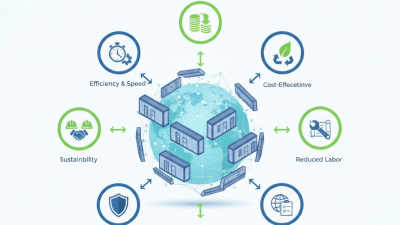
In recent years, the construction industry has seen a significant shift towards prefabricated building. These structures are manufactured off-site and assembled at the final location. This method offers numerous advantages, such as reduced construction time and lower labor costs. Prefabricated buildings can also enhance design flexibility, enabling architects to create innovative spaces more efficiently.

However, some may question the durability and quality of prefabricated buildings. While these units pass rigorous quality checks, individual projects can differ. It's essential to choose reputable manufacturers and skilled contractors to ensure high standards. Prefabricated building is not just a trend; it’s a reliable choice that combines efficiency with sustainability. More projects are embracing this method, reflecting a broader understanding of its benefits.

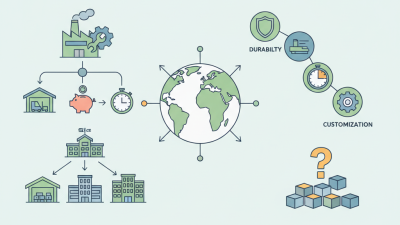
Despite the benefits, potential challenges exist. Limited customization options may concern some stakeholders. Additionally, transportation logistics can affect project timelines. These aspects require careful planning. With the right approach, prefabricated building can lead to successful, cost-effective projects that stand the test of time.
Why Choose Prefabricated Building for Your Next Project?

Benefits of Prefabricated Buildings in Construction Projects

Prefabricated buildings are gaining traction in the construction industry for various compelling reasons. According to a report by Allied Market Research, the global modular construction market is expected to reach $157 billion by 2023. This surge is largely due to the numerous benefits prefabricated structures offer. They are often quicker to assemble than traditional buildings, resulting in significant time savings. Reduced construction time can lead to earlier occupancy and quicker revenue generation for commercial projects.

Cost efficiency is another key advantage. A study by McKinsey & Company found that prefabricated construction can reduce project costs by 20% to 30%. This reduction can stem from decreased labor costs and waste, as elements are produced in a controlled factory environment. However, it is essential to note that initial investment costs may vary significantly based on selected materials and design intricacies. Clients must weigh these factors carefully.

Sustainability is an emerging trend in prefabrication. The use of eco-friendly materials and energy-efficient designs contributes to reducing the overall carbon footprint. However, some skeptics argue that not all prefabricated buildings meet sustainability standards. More rigorous evaluations could enhance the sector's reliability. In summary, while prefabricated buildings provide remarkable advantages, thoughtful consideration and quality checks are vital for optimal outcomes.

Cost-Effectiveness of Prefabricated Structures Compared to Traditional Methods

Prefabricated buildings offer significant cost savings compared to traditional construction methods. According to a report from McKinsey, prefabrication can reduce project costs by up to 20%. This efficiency stems from streamlined production, reduced labor costs, and minimized construction time. A faster build translates into lower financing costs and earlier occupancy for clients.

In addition to these savings, prefabricated structures often exhibit fewer delays. The National Institute of Standards and Technology notes that traditional construction faces delays in 60% of projects. Prefabrication mitigates this risk through off-site manufacturing, leading to better scheduling. However, some may argue that the initial investment for prefabricated materials can be higher. A reflection on this shows that while upfront costs might seem daunting, the long-term savings often outweigh these concerns.

Furthermore, the environmental impact of prefabricated buildings is worth considering. A study by the World Economic Forum suggested they lead to waste reductions of up to 90%. It challenges the traditional view that building materials waste is an unavoidable part of construction. Though the transition to prefabrication may have bumps, the overall benefits make it a compelling choice.

Cost-Effectiveness of Prefabricated Structures Compared to Traditional Methods

Project Aspect Traditional Method Prefabricated Method Cost Difference (%)
Construction Time 6-12 months 3-6 months 50%
Labor Cost $300/hour $150/hour 50%
Material Waste 20% 5% 75%
Energy Efficiency Standard High N/A
Overall Cost $200,000 $150,000 25%

Environmental Advantages of Using Prefabricated Building Materials

The environmental advantages of prefabricated building materials are compelling. Studies show that off-site construction reduces waste by up to 50%. This significant reduction stems from precise manufacturing processes. Traditional construction often generates a surplus of materials due to estimation errors. In contrast, prefabricated systems use exact measurements. Every piece is accounted for, leading to less material waste.

Moreover, using prefabricated materials can lower carbon emissions. A report from the National Institute of Standards and Technology noted a reduction in lifecycle carbon footprints by 20-30%. This is achieved through efficient transport. Prefabricated components are typically manufactured close to the job site. This proximity reduces transportation emissions significantly.

Additionally, construction time is reduced by about 30% on average. Shorter build schedules lead to less environmental disruption. However, there are challenges. Indoor air quality can be a concern if transported components are not handled properly. Ensuring adequate ventilation during installation is crucial. Each project reflects both benefits and areas needing improvement.

Speed of Construction: How Prefabrication Reduces Project Timelines

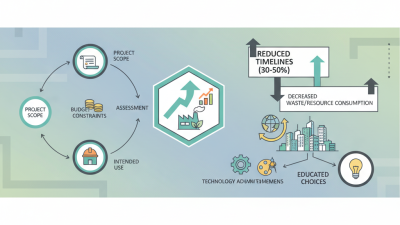
The speed of construction is a vital factor in any building project. Prefabricated buildings, constructed off-site, streamline the entire process. Studies indicate that prefabrication can cut construction timelines by up to 50%. This efficiency is achieved through simultaneous site preparation and assembly, allowing for faster project completion. Workers can focus on specific tasks, minimizing delays caused by weather or site issues.

One compelling statistic highlights that projects using prefabricated methods often see a 40% reduction in labor costs. These savings arise from decreased on-site workforce needs and the speed of assembly. However, developers must recognize the importance of careful planning. Poor coordination can lead to mismatches between prefabricated components and site conditions.

Consider conducting thorough site assessments before moving forward. Proper preparation aligns prefabricated units with design specifications and site requirements. Effective project management software can enhance communication among teams. Investing time in these areas can lead to smoother execution and better outcomes in your next project.

Customization Options Available in Prefabricated Building Designs

Prefabricated buildings have gained popularity for their unique ability to fit diverse aesthetic and functional needs. Customization is at the heart of prefabricated design. Homeowners and businesses alike appreciate how these structures can reflect individual styles. From selecting layout configurations to choosing finishes, the options are extensive. For instance, one can opt for open spaces or segmented rooms, depending on their vision.

The choice of materials is also a customizable aspect. Prefabricated buildings can use various textures and colors to create an inviting appearance. Clients may find it challenging to decide on elements that will stand the test of time. Decisions about insulation and sustainability factors are crucial as well. These are not merely aesthetic choices; they can impact comfort and energy efficiency.

Another area for potential reflection lies in the adaptability of prefabricated designs over time. As needs evolve, modifications can be more manageable than with traditional structures. However, over-customization can lead to complexities down the line. Striking the right balance between personal preference and practicality is vital. Personal touch is essential, but it's crucial to consider long-term implications.