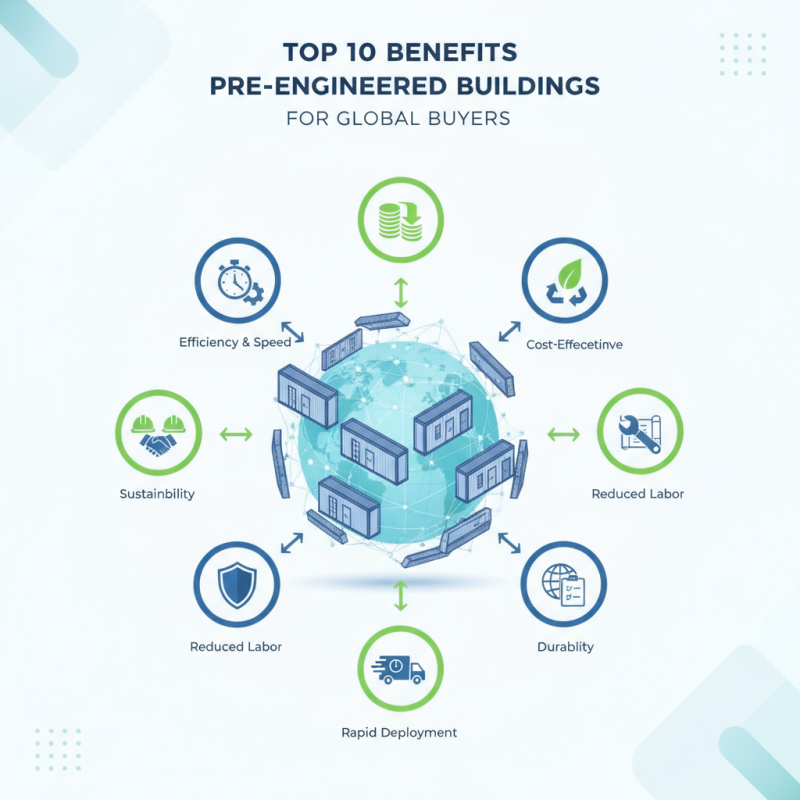
Top 10 Benefits of Pre Engineered Buildings for Global Buyers?
In the evolving landscape of construction, pre engineered buildings (PEBs) have gained immense traction among global buyers. As industry expert Dr. John Mitchell states, "Pre engineered buildings offer unmatched efficiency and flexibility." This statement encapsulates the appeal of PEBs, especially in an era demanding rapid deployment and cost-effectiveness.
PEBs are modular structures constructed off-site and then assembled on location. This method significantly reduces construction time while maintaining high standards of quality. Clients appreciate the swift delivery and customization options available. However, integrating PEBs requires careful planning. Some clients may face challenges in zoning laws and site specifications. Understanding local regulations is crucial.
Moreover, the adaptability of pre engineered buildings can be a double-edged sword. While they can be tailored for various purposes, not every design fits every need. Buyers must invest time in research to avoid potential pitfalls. Nonetheless, the benefits of efficiency, sustainability, and reduced labor costs make PEBs an attractive option for many in today's construction market.
Benefits of Pre Engineered Buildings: Cost Savings and Efficiency
Pre-engineered buildings are gaining traction among global buyers for their remarkable cost savings and efficiency. Constructed off-site, these structures are designed with precision. This process reduces construction time and minimizes labor costs. A shorter timeline means quicker occupancy. Faster project completion can lead to earlier revenue streams.
Moreover, the materials used in pre-engineered buildings are often optimized for durability. This means lower maintenance costs over time. Many buyers overlook the long-term savings, focusing solely on initial expenses. Reducing waste during construction is another key benefit. Precise manufacturing leads to fewer leftover materials. This practice not only saves money but also supports environmental sustainability.
However, buyers must consider the unique needs of their projects. Pre-engineered buildings may not fit all design requirements. Some industries might require custom modifications. Balancing standardization and custom features can be challenging. It's vital for buyers to assess their specific needs and long-term goals. Overall, the potential for cost efficiency and reduced resource use makes pre-engineered buildings an attractive option in many scenarios.
Enhanced Durability and Structural Integrity of Pre Engineered Buildings
Pre-engineered buildings (PEBs) stand out for their durability and structural integrity. These buildings are designed to withstand extreme weather conditions, including hurricanes and heavy snow. The Steel Construction Institute reports that PEBs can be up to 30% lighter than traditional buildings, reducing the overall load on foundations. This makes PEBs not only stronger but also more cost-effective.
Moreover, their modular nature allows for quicker assembly, minimizing the risk of on-site errors. Recent studies indicate that PEBs can be erected 40% faster than conventional structures. This speed does not compromise quality. Detailed engineering ensures that each component meets rigorous safety standards. Despite these advantages, some skeptics question the long-term performance of these buildings in diverse climates.
Testing in various environmental conditions is ongoing to address these concerns. Data reveals that, with proper maintenance, PEBs can last over 50 years. However, the durability of materials like steel and insulation is critical. Regular inspections can help identify potential weaknesses, ensuring the structural integrity remains intact. Buyers must weigh the benefits against the potential for wear in different scenarios. The balance of speed, cost, and performance is essential in making informed decisions about PEBs.
Sustainability Features: Environmental Impact of Pre Engineered Solutions
Pre-engineered buildings (PEBs) are gaining traction due to their sustainability features. They often use recycled materials, significantly reducing the demand for virgin resources. According to a report from the World Green Building Council, buildings account for nearly 40% of global carbon emissions. By employing PEBs, companies can lower these emissions while promoting environmentally friendly practices.
Energy efficiency is another vital aspect of PEBs. These structures often incorporate advanced insulation and energy-efficient systems. A study from McKinsey suggests that retrofitting buildings for energy efficiency can reduce energy consumption by up to 30%. This not only minimizes operating costs but also supports corporate sustainability goals. However, some designs still require improvement to maximize energy utilization.
Water conservation features in PEBs are also noteworthy. Rainwater harvesting systems can decrease water use by up to 50%. Yet, there is still a reliance on traditional water sources that must be addressed. Balancing innovation with practical implementation remains a challenge. Overall, the commitment to sustainability in pre-engineered buildings is evident, but continuous improvement is necessary to tackle existing limitations.
Faster Construction Timelines: Reducing Project Completion Duration
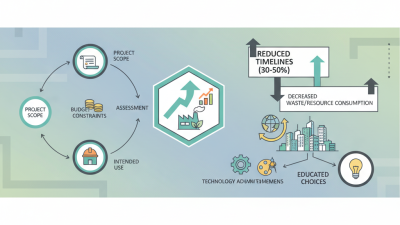
Pre-engineered buildings (PEBs) are transforming construction timelines. A recent study from the Global Construction Review indicates that PEBs can reduce construction time by 30-50%. This significant reduction stems from the prefabrication of components, which allows for simultaneous site work and factory preparation. With modules manufactured off-site, the time spent on foundations and superstructure can overlap, expediting project completion.
Not all projects, however, see equal benefits. Some may encounter delays in transportation or site assembly. Additionally, not every construction crew is familiar with PEBs, which can lead to setbacks. Nevertheless, when executed correctly, PEBs can streamline logistics and cut costs. The potential for a faster return on investment (ROI) is a strong incentive. McKinsey's report highlights that projects utilizing PEBs typically achieve earlier occupancy dates, enhancing revenue flow for stakeholders.
The efficiency of PEBs isn't without challenges. Accurate planning and skilled labor are crucial for optimal success. Data reflects that miscalculations during the design phase can lead to frustrating delays. Still, many buyers are investing in training to mitigate these risks. As the industry evolves, embracing technology and advanced methodologies becomes crucial. This approach not only enhances efficiency but also future-proofs investments in a fast-paced global market.
Customization and Flexibility: Meeting Diverse Buyer Needs in Global Markets
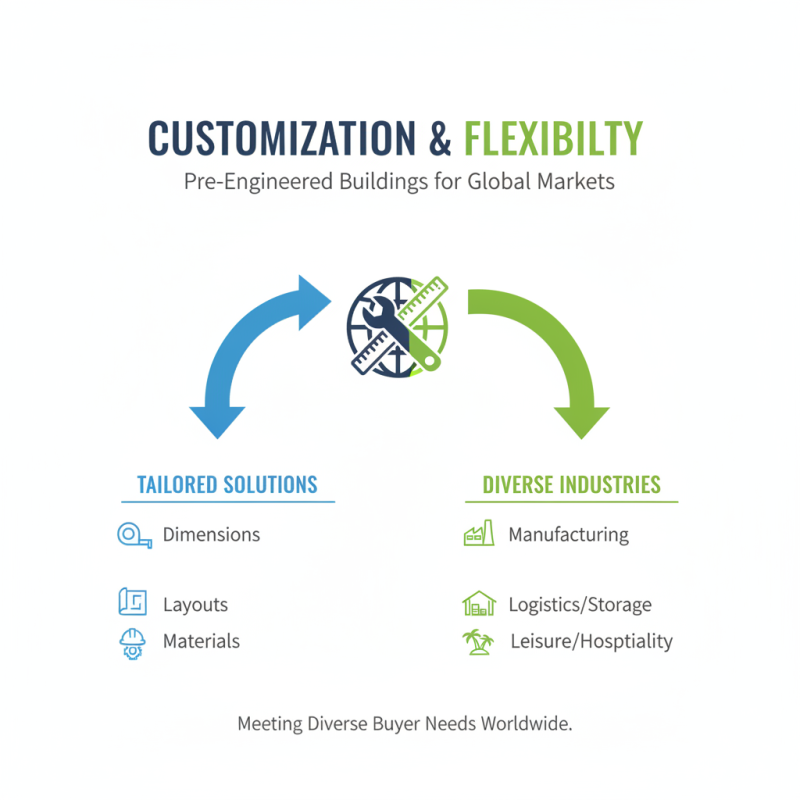
Pre-engineered buildings offer significant flexibility for global buyers. These structures can be tailored to meet specific requirements. Buyers can specify dimensions, layouts, and materials suited for their projects. This customization appeals to various industries, from manufacturing to leisure.
In many cases, pre-engineered buildings can adapt to local climates and regulations. This adaptability is vital in ensuring compliance and durability. However, not all customization options are apparent at first glance. Buyers often need to explore their choices deeply to find the best fit. This may lead to unexpected challenges during the design phase.
Flexibility in design also extends to future modifications. As businesses grow, their space needs can change. Pre-engineered buildings can be expanded or reconfigured with relative ease. Yet, it's essential to consult with experts to avoid potential pitfalls. Rushing decisions can result in costly alterations down the road.