2026 Best Pre Engineered Buildings for Global Buyers?

In recent years, pre engineered buildings have gained popularity among global buyers. These structures offer a blend of cost-effectiveness and efficiency. Recognized for their versatility, they serve various industries. Many companies are now turning to these buildings for quick and reliable solutions.

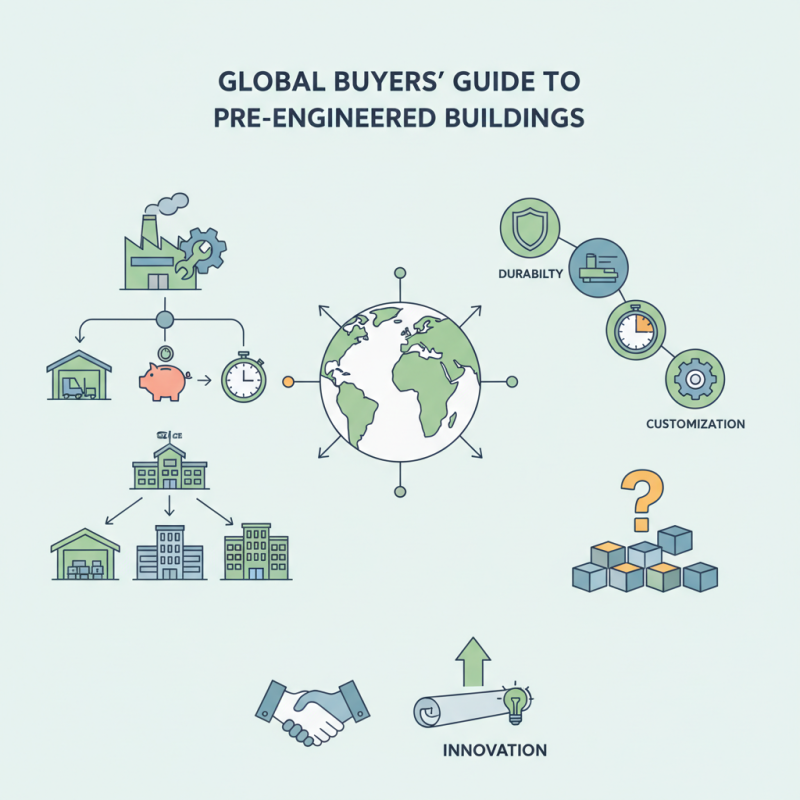
Choosing pre engineered buildings can be daunting. Buyers often face challenges in selecting the right materials and designs. The market is flooded with options, making informed decisions crucial. Buyers should consider factors like construction speed, durability, and customization.

It’s important to engage with reputable manufacturers. Their expertise can guide buyers through the complexities. An experienced partner can ensure that the selected pre engineered buildings meet specific needs. As the industry evolves, staying informed on innovations will be key to making the right choices.
2026 Best Pre Engineered Buildings for Global Buyers?

2026 Global Market Trends for Pre-Engineered Buildings: An Overview

The global market for pre-engineered buildings is evolving rapidly. Market trends highlight the increasing demand for eco-friendly materials. Sustainability is a key concern for many buyers. The use of recycled steel or energy-efficient insulation plays a crucial role in design choices.

Emerging markets are also driving growth in this sector. Countries in Asia and Africa are investing heavily in infrastructure. These regions seek affordable and quick construction solutions. This trend creates diverse opportunities for global suppliers. However, lack of local expertise may pose challenges.

Furthermore, technology is reshaping the pre-engineered building landscape. Advanced software allows for better design and customization. Yet, companies must invest wisely to stay competitive. Training workers to adapt to new technologies is essential. Without skilled labor, projects may face delays or increased costs. Understanding these dynamics is vital for anyone looking to enter the market.
2026 Global Market Trends for Pre-Engineered Buildings

Key Benefits of Pre-Engineered Buildings in Construction Efficiency

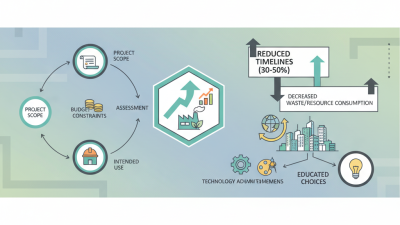
Pre-engineered buildings offer numerous advantages in construction efficiency. One major benefit is faster assembly. These structures come with pre-fabricated components, which can be put together quickly on-site. This leads to reduced construction time, allowing projects to be completed ahead of schedule. In a world where time equals money, this efficiency can greatly impact project budgets.

Another key aspect is cost-effectiveness. By utilizing standardized materials and designs, builders can lower costs without compromising quality. This can be particularly beneficial for large-scale projects, where expenses can quickly spiral out of control. However, it is essential to balance cost savings with the need for customization. Some buyers may find that overly rigid designs don’t fully meet their specific requirements.

Lastly, sustainability is a growing concern in construction. Pre-engineered buildings, often made from recyclable materials, can help in this aspect. They tend to generate less waste during construction. Nevertheless, the environmental impact of transportation for these prefabricated components deserves careful consideration. We must reflect on all facets to make the best choices.

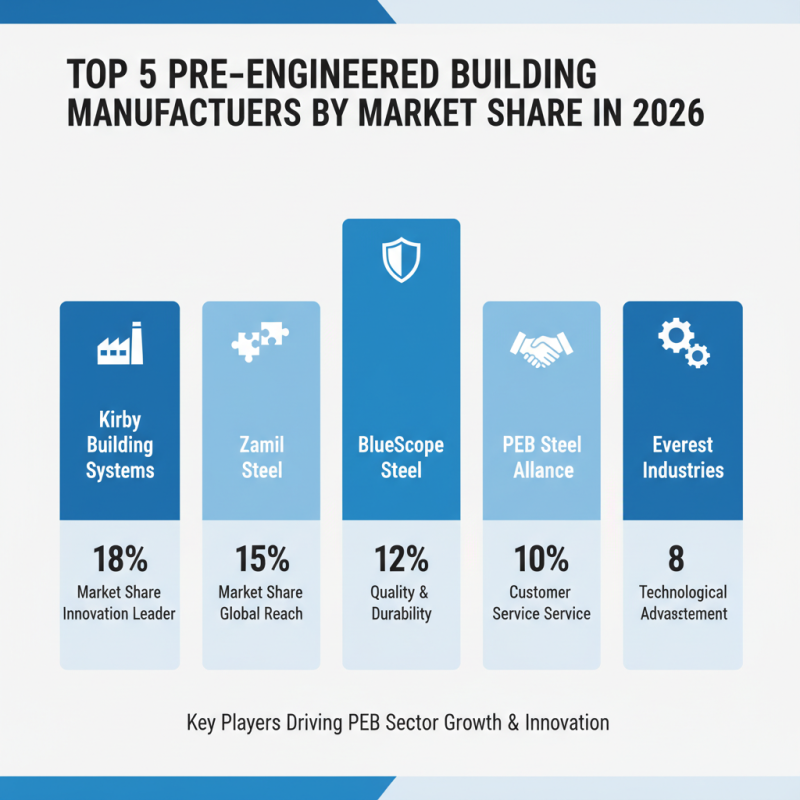
Top 5 Pre-Engineered Building Manufacturers By Market Share in 2026

2026 Best Pre Engineered Buildings for Global Buyers?

As the demand for pre-engineered buildings grows, knowing the leading manufacturers becomes crucial. The top players in this sector are notable not only for their market share but also for their innovation and customer service. Each company brings unique strengths to the table, affecting buyers’ choices around the globe.

Tips: When selecting a manufacturer, consider their experience and portfolio in similar projects. Look for testimonials or case studies from past clients. Find a manufacturer that can tailor solutions to your specific needs.

Additionally, it is important to analyze the material quality and sustainability practices of different manufacturers. Some may prioritize cost over durability, which could lead to higher long-term expenses. Balancing upfront costs with future savings should be a key consideration. Evaluate the after-sales support offered, as it can significantly impact the longevity of your investment.

Tips: Don’t hesitate to ask for sample materials and conduct site visits. Understanding how each manufacturer operates can reveal valuable insights into their reliability and dedication to customer satisfaction.

Innovative Materials in Pre-Engineered Buildings: Sustainability Analysis

Pre-engineered buildings (PEBs) are becoming increasingly popular globally. Their innovative materials enhance sustainability. A recent report indicates that the global PEB market is projected to reach $49.3 billion by 2026. This growth reflects a greater emphasis on efficient construction and eco-friendly practices.

Sustainability in PEBs is often achieved through the use of recycled materials. Steel, for example, is frequently recycled, reducing both material waste and energy consumption. The American Institute of Steel Construction reports that recycled steel can reduce energy use by over 70%. However, challenges persist. The manufacturing of some materials still carries a significant carbon footprint, which raises questions about genuine sustainability.

Many PEBs also implement energy-efficient designs. These include enhanced insulation and strategic orientation for optimal natural light. Data from the Department of Energy shows that energy-efficient buildings can lead to 30% lower energy costs annually. Yet, the debate continues on whether these savings compensate for the initial higher investment in sustainable materials. The journey toward truly green pre-engineered buildings needs continuous reflection and improvement.

2026 Best Pre Engineered Buildings for Global Buyers - Innovative Materials in Pre-Engineered Buildings: Sustainability Analysis

Building Type Material Used Sustainability Rating Energy Efficiency (%) Recyclability (%)
Industrial Warehouse Steel & Concrete A 85 90
Commercial Office Aluminum & Glass A+ 90 80
Sports Facility Composite Materials B 75 85
Residential Home Wood & Steel A 80 95
Agricultural Barn Steel B+ 78 88

Case Studies: Successful Pre-Engineered Buildings Around the World

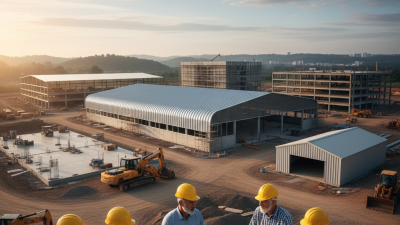
Pre-engineered buildings are becoming a vital solution worldwide. They offer speed and efficiency, making them ideal for various industries. For instance, in the Middle East, a large warehouse was constructed in just six months. This rapid build time is often due to the use of modular components and precise engineering. It showcases how these structures can meet urgent demands effectively.

In Europe, a pioneering school design demonstrates flexibility. The building features adaptable spaces for different classroom sizes. It also utilizes sustainable materials, contributing to lower carbon footprints. However, the project faced challenges regarding local construction regulations and community acceptance. This highlights the importance of engaging stakeholders early in the process.

In Asia, a pre-engineered hospital was erected to address a sudden health crisis. The structure emphasizes efficiency in both design and construction. However, it encountered unforeseen delays due to supply chain issues. This situation reminds us that while pre-engineered buildings offer benefits, they are not immune to external factors. Each case serves as a learning opportunity to refine future projects.