What is Steel Building Benefits for Global Buyers?
The advantages of steel buildings are increasingly attracting global buyers. According to a recent report by Grand View Research, the steel building market is projected to reach $192.9 billion by 2025, reflecting its growing importance in construction. Steel buildings offer durability, cost-effectiveness, and design flexibility, making them an appealing choice worldwide.
Dr. Emily Zhang, a leading expert in construction technology, states, "Steel buildings provide unmatched resilience against natural disasters." This resilience is crucial for buyers in regions prone to hurricanes or earthquakes. The prefabrication of steel components also speeds up construction time, which can be essential for meeting tight deadlines.
Despite these advantages, some buyers still hesitate. Concerns about initial costs or aesthetic appeal can create barriers. It’s critical for buyers to weigh these aspects carefully. Understanding the true benefits of steel buildings may ease these concerns.
Advantages of Steel Buildings for International Buyers
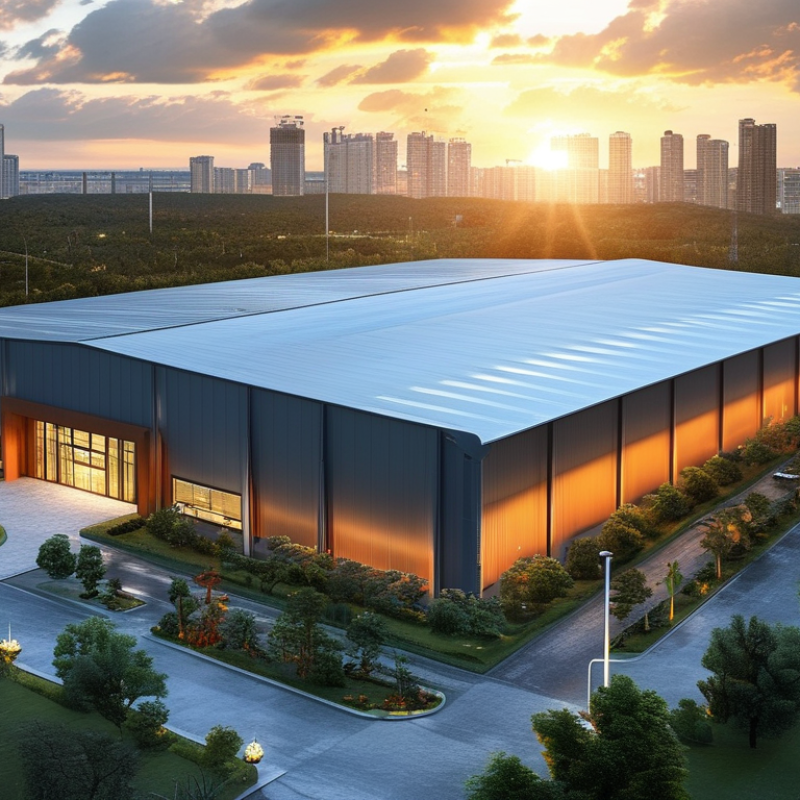
Steel buildings provide numerous advantages for international buyers looking to invest in construction assets. These structures are known for their durability and strength. They can withstand various environmental conditions, making them suitable for different climates. This reliability appeals to global markets, where resilience is crucial for investment stability.
Another significant benefit is the speed of construction. Steel buildings can be erected quickly, reducing labor costs and time. This efficiency is especially appealing in regions facing tight deadlines for project completion. However, potential buyers must consider local regulations and logistics. Each market presents unique challenges that necessitate careful planning and local expertise.
Cost-effectiveness is also a critical factor. Although the initial investment might be substantial, long-term savings in maintenance and energy costs are noteworthy. Steel is recyclable, which aligns with sustainability goals. Furthermore, the aesthetic versatility can create modern designs that attract tenants and buyers. Yet, decisions must be made carefully; sometimes the best-looking designs may not always translate to practicality or cost-efficiency.
Cost Efficiency of Steel Structures in Construction Projects
The construction industry increasingly favors steel structures due to their cost efficiency. A report from the American Institute of Steel Construction states that steel buildings can reduce overall project costs by 10-20%. This significant reduction is attributed to shorter construction times and lower labor costs. Furthermore, steel's durability minimizes maintenance expenses over the building's lifespan, leading to long-term savings.
Moreover, steel's versatility is a key factor. It allows for diverse designs without sacrificing strength. According to a study by McKinsey & Company, projects using steel can see a 29% reduction in waste. This efficiency not only lowers costs but also aligns with sustainable building practices. However, reliance on steel might raise concerns about market volatility. Fluctuating prices can impact budgeting efforts, making careful planning essential for project leaders.
Additionally, while steel structures boast numerous benefits, potential drawbacks exist. The initial cost of steel can be higher than other materials. Moreover, thermal efficiency must be addressed, as steel can conduct heat more than wood. Buyers must weigh these factors against the benefits. Effective management and informed decision-making are crucial for maximizing the advantages of steel in construction projects.
Cost Efficiency of Steel Structures in Construction Projects
Durability and Longevity of Steel Buildings for Global Use
Steel buildings are gaining popularity due to their impressive durability and longevity. Research shows that steel structures can last 50 years or longer with minimal maintenance. This lifespan significantly surpasses traditional materials like wood and concrete. A study by the American Institute of Steel Construction highlights that steel can withstand extreme weather events, including hurricanes and earthquakes.
Steel's resilience stems from its inherent properties. It is resistant to pests, rot, and fire. These characteristics reduce the need for repairs and replacements. For example, steel does not warp or shrink, ensuring structural integrity over time. The International Code Council reports that steel buildings have a much lower total lifecycle cost compared to other materials. This cost-effectiveness is crucial for global buyers looking for long-lasting solutions.
However, not all steel buildings are created equal. The quality of steel and the expertise of the builders play a significant role in performance. While general standards exist, discrepancies can lead to outcomes that fall short of expectations. Buyers must ask questions and seek knowledgeable contractors. A well-informed choice can ensure the benefits of steel buildings are fully realized, providing peace of mind for years to come.
Sustainability Benefits of Steel Construction in a Global Market
Steel construction offers significant sustainability benefits in today's global market. Its recyclable nature can reduce waste and conserve natural resources. Steel structures have a long lifespan, minimizing the need for frequent replacements. This durability helps in decreasing the overall environmental impact. Additionally, modern steel buildings often have energy-efficient designs that lower operational costs.
Using steel can support sustainable practices. It allows for quicker construction, reducing labor and time costs. This efficiency can lead to lower carbon emissions during the building process. However, the production of steel itself is energy-intensive and can contribute to pollution. It's crucial to address this by adopting green manufacturing techniques.
Global buyers must consider both the pros and cons of steel construction. While the material is robust and versatile, its environmental footprint can raise concerns. Balancing these factors can be complex. Stakeholders should engage in discussions about sustainability goals and find innovative solutions to enhance steel’s green credentials.
What is Steel Building Benefits for Global Buyers? - Sustainability Benefits of Steel Construction in a Global Market
| Benefit |
Description |
Environmental Impact |
Cost Effectiveness |
| Durability |
Steel structures are resistant to weather, pests, and fire. |
Reduces the need for repairs and replacements over time. |
Lowers long-term maintenance costs. |
| Recyclability |
Steel can be recycled without losing quality. |
Significantly reduces material waste. |
Potential savings on procuring new materials. |
| Energy Efficiency |
Steel buildings can be designed for enhanced energy performance. |
Lower energy consumption contributes to reduced carbon footprint. |
Reduces energy costs for occupants. |
| Design Versatility |
Allows for creative architectural designs and faster construction. |
Minimal waste during the building phase. |
Saves on labor and construction time costs. |
| Stronger Structures |
Steel's strength allows for taller and more resilient buildings. |
Enhances safety and longevity of constructions. |
Potentially reduces insurance costs due to risk mitigation. |
Versatility of Steel Buildings for Various Applications Worldwide
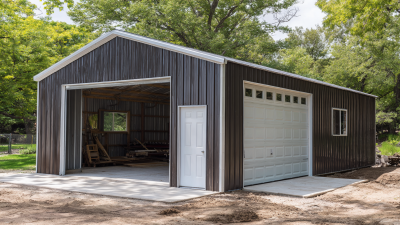
Steel buildings offer remarkable versatility for various applications across the globe. They can serve as warehouses, schools, gyms, and more. The adaptability of steel structures makes them suitable for different industries. Their strength combined with lightweight properties allows for quick construction and efficient use of materials.
When considering steel buildings, think about your specific needs. Is it for storage, or perhaps a community center? Understanding your requirements helps in designing an effective space. Steel's durability means lower maintenance costs over time. However, local climate may also influence design choices.
**Tips:** Always consult with a structural engineer. They can ensure your building meets safety standards. Think about future expansion before finalizing your design. This foresight can save time and money in the long run. Analyzing previous projects can also provide insights into potential challenges.