What Are the Benefits of Steel Buildings for Global Buyers?
Steel buildings have become a popular choice for global buyers, thanks to their numerous benefits. As noted by expert John Carter, a leading consultant in the steel construction industry, "Steel buildings are not just structures; they are a solution for modern needs." This statement captures the essence of why many are turning to steel buildings.
One of the key advantages of steel buildings is their durability. They are resistant to extreme weather conditions, pests, and rot. This makes them a reliable investment for businesses looking to expand. However, some may overlook maintenance needs over time, which can lead to unforeseen costs.
Cost-efficiency is another reason to consider steel buildings. Their construction often requires less time and labor, translating into lower expenses. Yet, a common misconception is that cheaper upfront costs guarantee long-term savings. Evaluating the total lifecycle costs is essential for informed decisions.
Advantages of Steel Buildings for Construction Efficiency
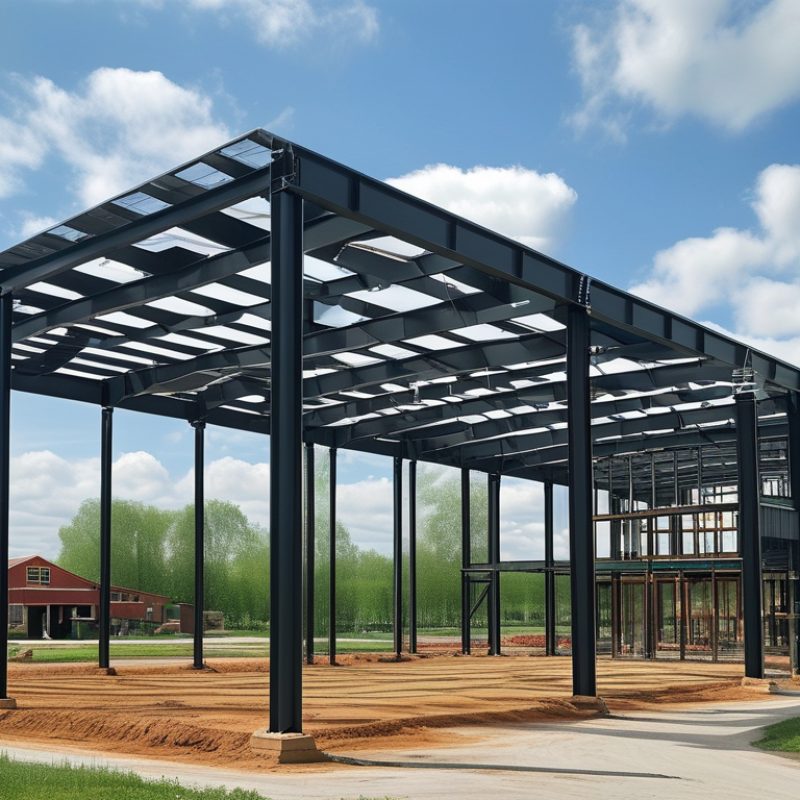
Steel buildings offer significant advantages in construction efficiency. According to a report from the Steel Construction Institute, projects using steel structures can be completed up to 20% faster than traditional methods. This speed can lead to reduced labor costs and quicker returns on investment. The modular nature of steel allows for prefabrication, meaning sections can be built off-site. This can minimize delays caused by weather or site conditions.
Moreover, steel structures are designed for high durability and low maintenance. A study published by the American Institute of Steel Construction states that steel buildings benefit from longevity and structural integrity. This durability means that owners spend less time and money on repairs. However, it’s crucial for builders to ensure proper design and quality control. Poor execution can lead to structural failures, highlighting the need for skilled labor and stringent regulations.
In addition, steel is a sustainable option. About 90% of steel is recyclable, aligning with green building practices. Yet, it’s essential to address the carbon footprint associated with steel production. The industry is continually evolving to reduce emissions. While embracing steel, it's vital to reflect on these environmental impacts and seek improvements.
Cost-effectiveness of Steel Structures in Global Markets
Cost-effectiveness is a primary benefit of steel structures in global markets. Steel buildings offer durability and design flexibility. They withstand harsh weather better than many alternatives. This resilience reduces maintenance costs over time, making them a sound investment.
Moreover, the speed of construction is a significant advantage. Fast erection times minimize labor costs. Projects can often be completed ahead of schedule. However, relying on rapid construction can lead to oversights. Careful planning is essential to avoid potential pitfalls.
Steel buildings also enhance energy efficiency when designed properly. Issues can arise if insulation is inadequate. This can lead to increased energy costs. Buyers must evaluate design options to ensure optimal performance. Prioritizing energy efficiency can lead to long-term savings. Global buyers should weigh the upfront investment against lifetime costs.
Cost-effectiveness of Steel Structures in Global Markets
Sustainability and Environmental Benefits of Steel Buildings
Steel buildings offer significant sustainability and environmental benefits that are hard to overlook. According to the World Steel Association, steel is one of the most recycled materials globally, with around 85% of steel used in construction being recycled. This high recycling rate reduces the demand for new raw materials, leading to lower energy consumption and fewer emissions during production. The operational lifespan of steel structures is also noteworthy. They can last over 50 years, which means fewer resources are consumed in frequent renovations or replacements.
Moreover, steel buildings can improve energy efficiency. The National Institute of Standards and Technology reports that metal buildings constructed with energy-efficient insulation can reduce heating and cooling costs by up to 30%. These buildings' reflective properties also help combat urban heat islands, making them beneficial in densely populated areas. However, the environmental impact isn't entirely straightforward. The production process, while improving, still results in greenhouse gas emissions. Addressing these emissions remains a challenge for the industry.
The fabrication of steel materials can contribute to construction waste if not managed properly. Poor planning or miscalculations during the cutting and welding process can lead to excess scrap. Thus, while steel buildings present sustainable advantages, careful consideration and practice are essential to ensure these benefits are fully realized. Balancing innovation with environmental stewardship is key to the continued growth of steel as a preferred building material.
Versatility of Steel Designs for Various Applications
Steel buildings stand out due to their remarkable versatility in design and application. They offer valuable solutions for various industries, from agriculture to retail. According to the Steel Construction Institute, steel structures can be designed for any architectural need. This adaptability allows stakeholders to optimize their use of space while adhering to budget constraints.
One compelling benefit of steel designs is their ability to create wide-open spaces. A report by the American Institute of Steel Construction indicates that steel can span greater distances without support columns. This leads to more usable interior space. Whether for warehouses, manufacturing plants, or sports complexes, the flexibility of steel can meet diverse requirements.
However, there are challenges. The initial cost of steel materials can be higher compared to traditional options. Additionally, regional variability in labor expertise may affect the overall project outcome. It's crucial for global buyers to consider local factors when selecting a steel solution. Overcoming these hurdles can lead to long-term benefits like durability and lower maintenance costs. Balancing initial investment with the long-term gains demands careful analysis but ultimately pays off.
Durability and Longevity of Steel in Construction Projects
Steel buildings stand out for their durability and longevity. Unlike traditional materials, steel can withstand extreme weather conditions. It resists rust and corrosion, making it ideal for various environments. Whether in coastal areas or regions with heavy snow, steel structures remain strong over time.
The lifespan of a steel building often exceeds several decades. This longevity reduces the frequency of maintenance and repairs. Buyers can save significantly on costs in the long run. Durable materials also contribute to sustainability. Steel is recyclable, which benefits the environment. However, not all steel buildings are created equal. Quality of the steel matters immensely. Poor quality can lead to issues down the line.
Real-world observations show that steel structures often outperform their concrete counterparts. They can withstand seismic activities better than many other building types. This resilience is crucial for safety. Yet, buyers must engage with skilled professionals to ensure proper design and construction. Without expertise, even the best materials might not deliver expected results. The longevity of steel buildings is impressive, although challenges in sourcing and quality control can arise.
What Are the Benefits of Steel Buildings for Global Buyers?
| Benefit |
Description |
Impact on Longevity |
Maintenance Requirements |
| Durability |
Steel structures resist harsh weather, corrosion, and pests, ensuring longevity. |
High resistance to damage extends the life of the building. |
Low maintenance, requires periodic inspections. |
| Speed of Construction |
Prefabricated steel components allow faster assembly on site. |
Rapid construction can lead to quicker revenue generation. |
Minimal on-site work reduces long-term wear. |
| Material Efficiency |
Steel allows for longer spans and less material waste. |
Efficient designs can optimize building longevity. |
Reduced waste means lower long-term costs. |
| Resilience |
Steel structures can withstand natural disasters better than traditional materials. |
Enhanced safety increases building lifespan. |
Less damage leads to lower repair costs. |
| Sustainability |
Steel is recyclable, reducing the environmental impact. |
Sustainable practices enhance building integrity over time. |
Recycling reduces need for new materials and maintenance costs. |