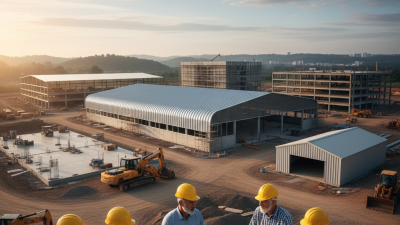
LGSF construction, or Light Gauge Steel Framing, is revolutionizing the building industry. This innovative technique utilizes light steel sections to create durable and efficient structures. Many global buyers are drawn to its advantages, including speed and cost-effectiveness.
One significant feature of LGSF construction is its lightweight nature. This allows for quicker assembly times, reducing on-site labor costs. The resistance to natural elements further enhances the appeal. Buildings constructed with LGSF are often more resilient to weather impacts, which assures longevity.
However, debates exist surrounding its use. Some argue about the initial investment and require careful budgeting. Understanding local regulations for LGSF could also challenge buyers. As awareness of this method grows, so does its importance. Embracing LGSF construction can lead to sustainable development and innovative architectural designs.
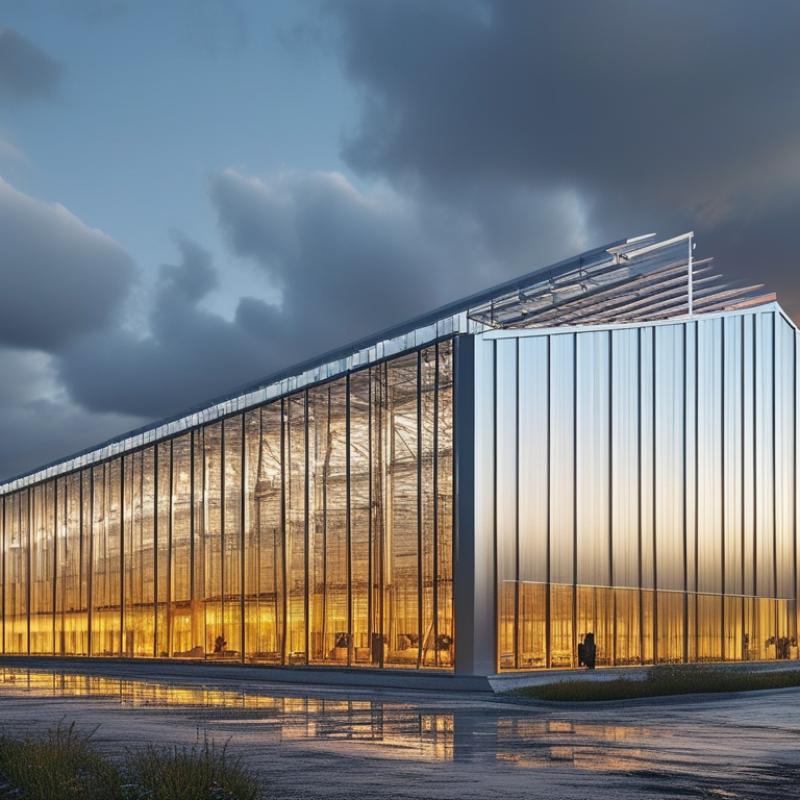
Light Gauge Steel Frame (LGSF) construction has gained popularity in recent years. This method uses thin steel sheets to create a structure. The lightweight nature of these materials makes them easy to transport and handle on-site. Unlike traditional materials, LGSF provides excellent strength-to-weight ratios. This means that structures can be built taller and faster, saving time and resources.
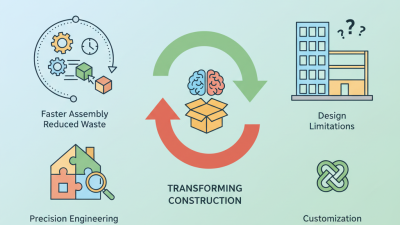
One of the challenges with LGSF is its dependency on precise engineering. Small errors in measurements can lead to major inconsistencies in the final product. It's essential to have skilled professionals involved in the design phase. This ensures that the structures will meet the necessary safety standards and regulations. Always prioritize working with experienced contractors.
Planning is crucial when considering LGSF construction. Ensure you account for insulation and other materials that may affect climate performance. Use tools to analyze the cost benefits of using LGSF versus traditional methods. By assessing these factors, you can make informed decisions that align with your project goals. Focus on sustainable practices to enhance the longevity of your constructions.
LGSF, or Light Gauge Steel Frame, has gained popularity in construction. It offers numerous advantages for global buyers looking for efficient and sustainable building methods. One major benefit is its lightweight nature. LGSF reduces transportation costs and simplifies the construction process. This allows for quicker project completion, which is crucial in fast-paced markets.
Additionally, LGSF is highly durable and resistant to various environmental factors. It's not susceptible to pests like wood, reducing maintenance costs over time. The precision engineering involved in LGSF fabrication ensures a high-quality finish. However, buyers must consider the initial investment costs compared to traditional materials.
Another aspect worth noting is the flexibility of design with LGSF. It accommodates various architectural styles. Yet, this flexibility can lead to challenges in local building codes. Each region may have different regulations. Buyers should thoroughly research these before proceeding. Overall, LGSF presents a modern solution for construction needs. As global demand for sustainable building practices grows, LGSF could lead to significant advancements in the industry.
LGSF, or Light Gauge Steel Frame, is gaining traction among builders. It presents a modern alternative to traditional building materials like concrete and timber. One clear advantage of LGSF is its lightweight nature. This feature simplifies transportation and reduces costs. Additionally, LGSF structures require less time to erect, enabling faster project completion. Builders may notice about 20-30% of time saved compared to traditional methods.
On the other hand, traditional materials have their own merits. Concrete offers amazing compressive strength, while timber provides excellent insulation properties. However, these materials come with challenges. For instance, concrete's curing time can delay the construction schedule. Timber can be susceptible to pests and weather conditions. Therefore, LGSF stands out as a reliable choice for those seeking efficiency and flexibility.
Yet, it’s essential to assess the long-term impacts. LGSF may not be the best fit for every project. Different climates and building regulations can limit its application. In some regions, local builders might still prefer traditional materials due to familiarity. It’s crucial for buyers to weigh their options carefully and consult with industry professionals before making a decision.
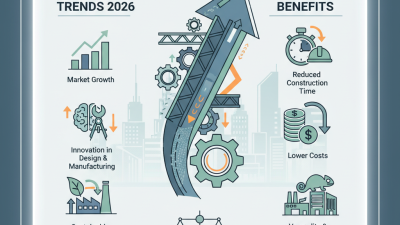
LGSF, or Light Gauge Steel Framing, is transforming the construction landscape. This modern method offers flexibility and speed, making it highly appealing to global buyers. Market trends indicate a rapid increase in its adoption due to sustainability concerns. More companies are now prioritizing eco-friendly materials. LGSF systems use less energy and reduce waste, aligning with the global push for greener buildings.
Growth projections for LGSF construction are optimistic. Analysts predict a steady rise in demand over the next decade. This trend reflects shifting construction practices and rising urbanization rates worldwide. Many builders appreciate the quick assembly process linked to LGSF. It not only cuts labor costs but also shortens project timelines, which is vital in today’s fast-paced economy.
However, challenges persist. Some regions lack skilled labor familiar with LGSF techniques. This gap can hinder the expected growth trajectory. Additionally, misconceptions about the material's strength compared to traditional options still exist. Continuous education and awareness are necessary for overcoming these barriers. The market must also respond to varying regional standards and regulations, which can complicate expansion efforts.
LGSF construction is gaining attention for its sustainability and safety. This innovative method uses lightweight steel frames, enhancing structural integrity while reducing material waste. According to a report by the International Energy Agency, the construction sector accounts for nearly 39% of global carbon emissions. LGSF's ability to streamline the building process can significantly lower this impact.
In terms of safety, LGSF systems are designed to withstand natural disasters. They provide better resilience against earthquakes and strong winds compared to traditional materials. The National Institute of Standards and Technology highlights that buildings using LGSF can reduce injury risks during disasters by up to 30%. This statistic underscores the importance of considering safety in construction practices.
However, LGSF has its challenges. The reliance on steel can lead to higher upfront costs. Additionally, the perception of steel's vulnerability to corrosion must be addressed through proper treatments and coatings. Despite these concerns, the long-term benefits of durability and lower maintenance still make LGSF an attractive option for global buyers committed to sustainable practices.