LGSF construction has emerged as a revolutionary technique in the building industry. Experts like Dr. Emily Harrison, a leading engineer in modular construction, emphasizes its benefits: "LGSF construction provides unmatched efficiency and sustainability." This approach utilizes lightweight steel frames that are easy to assemble, reducing time and labor costs on site.
The flexibility of LGSF construction allows for a variety of designs and applications. Buildings can be erected quickly, which is ideal in fast-paced urban environments. However, challenges remain. Not all contractors have the expertise required for LGSF projects. This could lead to quality inconsistencies if not handled properly.
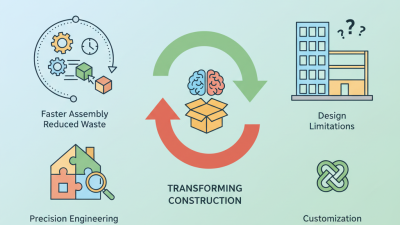
Furthermore, while LGSF offers numerous advantages, it isn’t the solution for every project. Some traditional methods still have their place. Balancing innovation with proven techniques is crucial for success. Embracing LGSF construction requires careful consideration of project needs and team capabilities.
LGSF construction, or Light Gauge Steel Framing, stands out as a modern solution for various building projects. Research shows that LGSF can reduce construction costs by up to 20% compared to traditional methods. This is largely due to its lightweight materials and faster assembly times. For example, a recent report from the Construction Industry Institute indicates that LGSF structures can be erected 30% quicker, enabling quicker project turnarounds.
Sustainability is another key benefit. LGSF generates less waste during manufacturing. Studies reveal that up to 90% of the waste is recyclable. This significantly lowers the environmental impact of construction. Moreover, steel’s durability enhances a building’s lifespan, making it a more sustainable choice in the long run. However, some industry professionals express concern about the energy costs associated with steel production. This point warrants careful evaluation to ensure that the overall sustainability claims hold true.
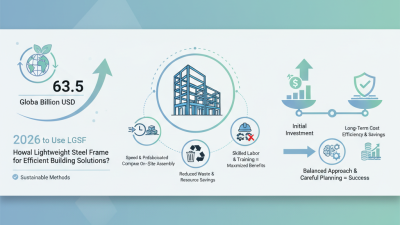
Clients might find it challenging to understand the long-term benefits of LGSF. The initial investment can be higher than traditional materials. Yet, potential savings in labor costs and reduced maintenance can offset this. Engaging with experts can provide clarity, ensuring informed decisions. Balancing upfront costs with long-term savings and sustainability goals is crucial in the evolving construction landscape.
Structural Advantages of LGSF: Strength and Durability in Design
Light Gauge Steel Frame (LGSF) construction showcases notable structural advantages, especially in terms of strength and durability. According to the World Steel Association, steel structures possess a high strength-to-weight ratio, making them ideal for modern architectural designs. LGSF can support significant loads while remaining lightweight, which reduces the overall structural burden. This feature is essential for buildings in seismic-prone areas, where stability is crucial.
LGSF systems are inherently resistant to common environmental impacts. Research from the American Iron and Steel Institute indicates that steel is impervious to pests, decay, and mold. This durability extends the lifespan of structures. A building using LGSF may last over 50 years with minimal maintenance, compared to traditional materials, which may require regular upkeep. However, it is vital to address potential concerns, like corrosion, which can occur if materials are not properly galvanized or coated.
Design flexibility with LGSF allows for innovative architectural solutions. The ability to create open spaces without extensive support columns is a significant benefit. Yet, planning is essential. Ensuring adequate thermal and acoustic insulation can pose challenges that require thoughtful solutions. Balancing these factors can lead to impressive and lasting structures that meet modern building demands.
| Dimension | Description | Advantages | Applications |
|---|---|---|---|
| Strength | High strength-to-weight ratio, providing structural integrity. | Reduces material costs and enhances building stability. | Residential buildings, commercial structures. |
| Durability | Resistant to corrosion, pests, and environmental damage. | Long lifespan with minimal maintenance needs. | Infrastructure, industrial facilities. |
| Flexibility | Can be easily molded or designed to meet unique project requirements. | Supports innovative architectural designs. | Urban developments, customized homes. |
| Sustainability | Utilizes eco-friendly materials and processes. | Reduces the overall environmental footprint. | Green buildings, energy-efficient projects. |
LGSF (Light Gauge Steel Frame) construction is rapidly gaining popularity for its speed and efficiency. This technology allows for quicker project completion, which is crucial in today’s fast-paced environment. Using LGSF, projects can often be finished 30% faster than traditional methods. This means reduced labor costs and faster return on investment, making it an attractive option for developers.
When planning your project, consider the following tips: ensure you work with experienced contractors familiar with LGSF technology. Not all workers are trained in this specialized field. Proper training can lead to smoother execution and fewer mistakes, which can slow down progress. It's essential to evaluate this before starting.
Another aspect to keep in mind is the design phase. Time savings can be compromised if designs are not finalized early. Regular meetings with your design team can help refine project details and mitigate delays. Utilizing software tools that enhance visualizations can also lead to better-informed decisions.
However, rushing into projects can lead to quality issues. It's vital to balance speed with thoroughness. Always prioritize safety and structural integrity over simply finishing early. Be ready for adjustments and corrections along the way.
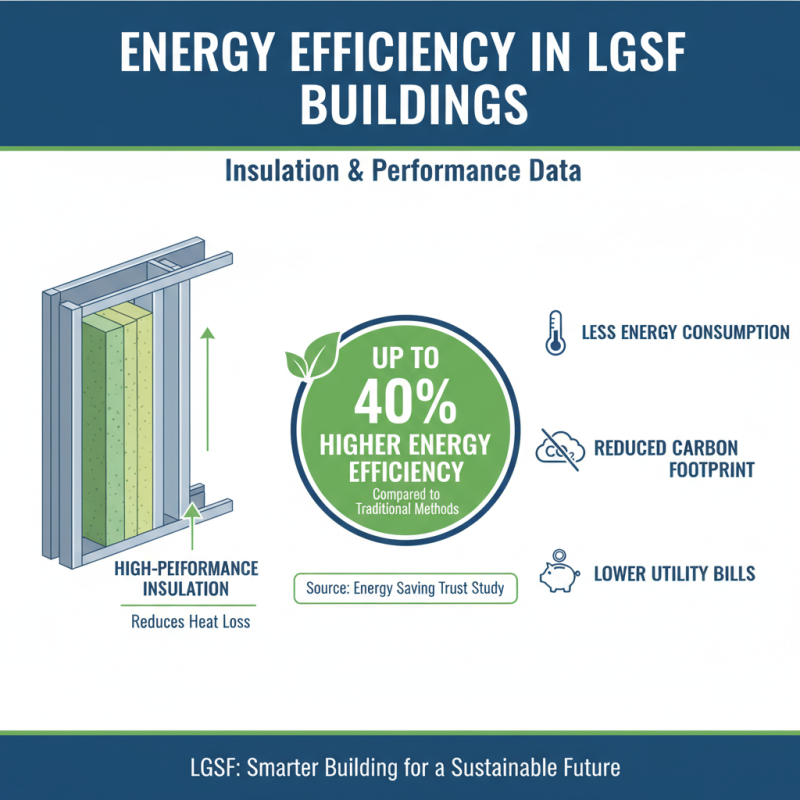
When considering energy efficiency, LGSF (Light Gauge Steel Frame) construction stands out. This method uses high-performance insulation materials, which significantly reduce heat loss. According to a study by the Energy Saving Trust, buildings with LGSF systems can achieve up to 40% higher energy efficiency compared to traditional methods. This statistic underscores the importance of insulation in reducing energy consumption.
Additionally, the thermal performance of LGSF buildings is impressive. With R-values often exceeding 30, these structures offer excellent temperature regulation. This directly correlates to lower heating and cooling costs. The Building Research Establishment (BRE) reports that effective insulation in LGSF buildings can lead to savings of approximately 25% on energy bills annually. However, achieving the optimal thermal performance requires precise design and execution, which some projects may overlook.
Moreover, there's room for improvement in the implementation of insulation practices. Not all LGSF projects meet the highest standards, sometimes due to budget constraints. To enhance performance, a thorough assessment of insulation materials and techniques is essential. Lifelong energy efficiency depends on these critical decisions during the design phase.
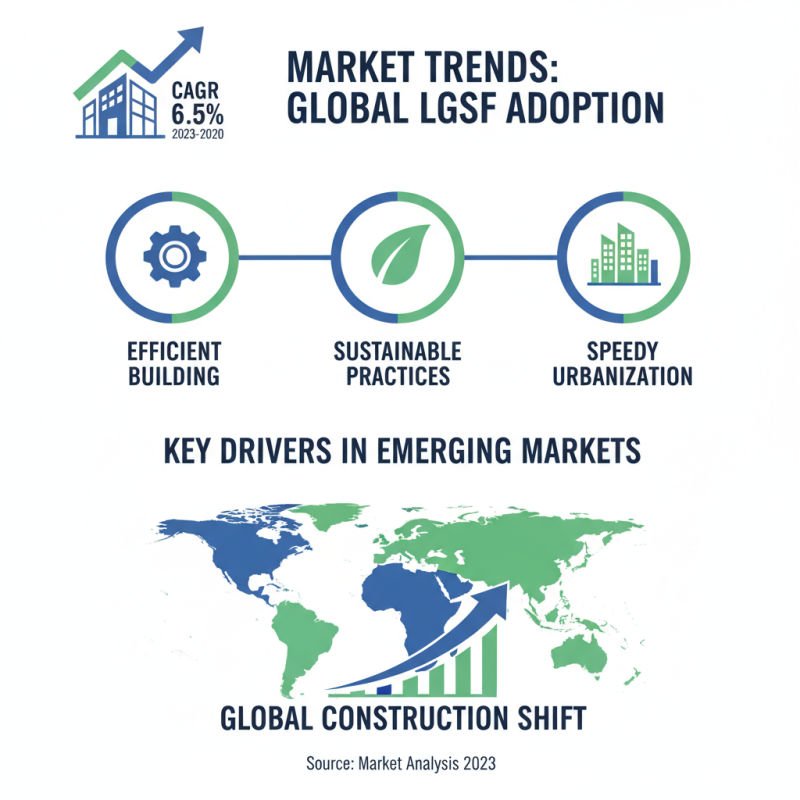
The global construction industry is increasingly embracing LGSF (Light Gauge Steel Framing) technology. A recent market analysis found that the LGSF market is projected to grow at a CAGR of 6.5% from 2023 to 2030. This surge indicates a shift towards more efficient and sustainable building practices. Notably, the adoption rates in emerging markets are rising rapidly, driven by urbanization and the need for speedy construction.
Tips: Consider local building regulations. Each region has different requirements that can affect your project's success.
One reason for LGSF's popularity is its adaptability to various design needs. It provides flexibility in architectural design, enabling creative solutions for both residential and commercial buildings. Moreover, its lightweight nature reduces transportation costs. However, the reliance on steel can lead to price volatility due to fluctuating raw material costs. Understanding market trends is crucial in navigating these challenges.
Tips: Engage with industry experts. Their insights can guide you on best practices and potential pitfalls in LGSF construction.
Industry reports indicate that LGSF can significantly reduce construction waste, aligning with global sustainability goals. Still, some builders face challenges integrating LGSF with traditional methods. It’s essential to invest time in training personnel in LGSF techniques to maximize its benefits.