Buying manufactured buildings across borders can be efficient, but the process requires careful judgment. A factory-made office, classroom, clinic, or home may look simple in a brochure. Its real value depends on design quality, site conditions, transport planning, installation, and long-term support.
This guide, “10 Tips for Buying Manufactured Buildings Worldwide,” focuses on practical decisions that buyers often underestimate. Compare suppliers through verified project references, clear specifications, production timelines, and written warranty terms. Ask how materials perform in local heat, cold, humidity, wind, and seismic conditions. Confirm foundation requirements before ordering. A building that works in a dry industrial park may need major changes in a coastal environment.
Review local planning rules and construction standards with qualified professionals. Check whether the manufacturer can provide structural calculations, fire-safety documents, inspection records, and maintenance guidance. Shipping costs can change quickly when modules require special handling or oversized transport permits. Keep a realistic contingency budget for ground preparation, customs procedures, utility connections, and installation delays.
Details matter.
A site visit or live video inspection can reveal workmanship that polished images hide. Speak with previous customers about defects, response times, and replacement parts. Do not rely only on the lowest quotation; unclear exclusions may become expensive later. Even experienced buyers can miss regional differences in labor, taxes, documentation, or climate protection. That is worth admitting. No checklist removes every uncertainty, but disciplined questions can reduce avoidable risk and support a more reliable purchase of manufactured buildings.

Manufactured buildings are factory-produced structures assembled quickly on prepared sites. They serve as homes, classrooms, clinics, offices, and temporary workspaces worldwide. Their uses change with local climate, land prices, labor skills, and community needs. A coastal unit may need corrosion-resistant fittings, while a cold-region building requires stronger insulation and heating systems.
Before buying, inspect the structure’s frame, roof, wiring, plumbing, ventilation, and fire protection. Ask for material specifications, production records, maintenance guidance, and independent inspection results. Confirm that the design meets local building rules, accessibility requirements, and energy standards.
A factory certificate is useful, but it is not proof of site suitability. Check wind loads, seismic conditions, soil quality, drainage, and foundation details with qualified local professionals.
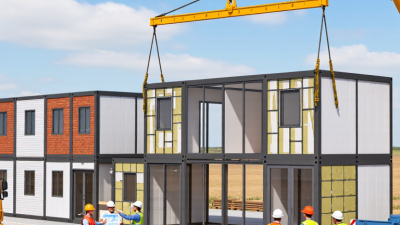
Transport can reshape the budget. Measure bridges, roads, turning points, and delivery access before ordering. Include cranes, permits, assembly labor, utility connections, taxes, and future repairs in the financial plan.
I have seen buyers focus on the unit price and overlook foundation work. That mistake can be expensive. Local technicians may also need training for unfamiliar systems. Ask how replacement parts will be sourced years later.
Digital drawings help, but printed instructions still matter when power or internet access fails. Good planning reduces surprises, though no checklist removes every risk.
Before comparing suppliers, define the building’s job in measurable terms. A classroom needs daylight, acoustic control, ventilation, and safe circulation. A warehouse needs clear height, floor loading, access, and fire separation. Temporary use may prioritize relocation, while permanent use demands stronger foundations and long-term maintenance planning.
Site conditions can change the entire specification. Record soil capacity, slope, flood exposure, wind speed, seismic risk, utility locations, and transport access. A narrow rural road may reject a large finished module. A crane may require firm ground and overhead clearance. The International Energy Agency reports that buildings consume about 30% of global final energy and produce roughly 26% of energy-related emissions. Therefore, insulation, glazing, shading, and mechanical systems should match the local climate, not a generic catalog.
The Modular Building Institute’s 2023 industry report found permanent modular construction represented about 6.64% of new commercial construction value in the United States in 2022. That figure shows growing acceptance, but it does not remove project risk. Ask for structural calculations, moisture-control details, service-life assumptions, and evidence from comparable climates. A perfect checklist rarely survives the first survey. Recheck measurements after heavy rain. Confirm whether “finished” includes lighting, fire systems, drainage, and local approvals. Small omissions can become expensive changes.
Buying a manufactured building overseas requires more than comparing catalog prices. Start by checking the supplier’s completed projects in climates similar to yours. Request drawings, factory photographs, inspection records, and client references. A low quote may exclude foundations, customs handling, transport, or local assembly.
Design must match the site. A coastal building needs corrosion-resistant connections and protected fasteners. Snow regions require verified roof loads, while hot areas benefit from shading, ventilation, and reflective roofing. Ask whether the layout can accommodate local furniture, plumbing routes, accessibility needs, and future repairs. Standard modules can reduce cost, but they may create awkward room sizes.
Materials deserve close attention. Compare insulation values, panel thickness, moisture resistance, fire performance, and expected maintenance. Do not accept vague terms such as “premium steel.” Request measurable specifications and independent test reports. Construction standards also vary widely. Have a local engineer review structural calculations, foundation details, electrical systems, and emergency access before production begins. Confirm which standards apply at the building site, not only in the factory country.
Small errors become expensive. Check dimensions twice. Include a written tolerance schedule, delivery milestones, warranty limits, and responsibilities for damaged components. I would also budget for delays, because international shipping rarely behaves perfectly. The best supplier is not always the cheapest; reliability, clear documentation, and responsive technical support often protect the project better. Still, no checklist replaces local professional judgment.
Buying a manufactured building overseas requires a landed-cost worksheet, not just a factory quotation. Include the building, engineering changes, packaging, inland haulage, port fees, ocean freight, insurance, customs duties, taxes, permits, foundation work, crane hire, utilities, and local labor. UNCTAD’s Review of Maritime Transport 2023 notes that ships carry over 80% of global merchandise trade by volume. Freight exposure is significant.
Request shipping quotes using exact dimensions, weight, loading port, destination port, and delivery terms. A compact building may need several containers or special handling. Add a contingency of 10–20% for currency movement, port delays, damaged packaging, and site surprises. My first rough estimate would have ignored temporary storage. That would have been a costly mistake.
Financing needs equal attention. Compare total interest, currency risk, deposit timing, and staged payments against construction milestones. Ask whether the lender accepts overseas invoices and unfinished assets as security. The World Bank’s Logistics Performance Index 2023 shows wide differences in customs efficiency and shipment reliability between countries, so delays can affect interest costs and installation schedules. Tax treatment also depends on product classification, origin, and destination rules; verify these details with a licensed customs professional. Installation budgets should cover soil testing, foundations, permits, lifting equipment, connections, inspections, and weather protection. The Modular Building Institute’s 2024 industry report valued U.S. commercial modular construction at $20.3 billion in 2023, showing the sector’s scale, but local site conditions still determine the final bill.
Indicative total-cost benchmarks for a 100 m² manufactured building, shown in USD. Figures combine building supply, international shipping, import taxes and duties, site preparation, utilities, and installation. Actual costs vary by specification, distance, local regulations, and exchange rates.
The chart highlights why buyers should calculate the complete delivered-and-installed cost instead of comparing factory prices alone.
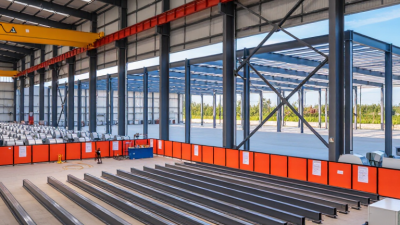
Buying a manufactured building across borders requires evidence, not attractive renderings. The Modular Building Institute’s 2024 annual report valued North American permanent modular construction at about $20.3 billion in 2023. That scale demands disciplined quality checks. Request factory inspection records, material certificates, weld reports, moisture readings, and photographs from hidden areas. Use an independent inspector when possible. Small defects become expensive after ocean transport.
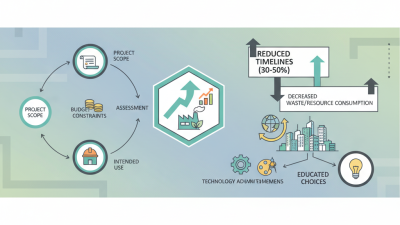
The contract should define drawings, tolerances, insulation performance, fire ratings, payment stages, and responsibility for customs damage. Get it in writing. McKinsey reports that modular construction can reduce project schedules by 20% to 50%, but only when design and logistics are coordinated early. Do not accept “fast delivery” without a production calendar, shipping milestones, buffer days, and remedies for delay. Schedules slip. Weather, port congestion, and incomplete documents can change the plan.
Post-sale support deserves equal attention. Ask who handles replacement parts, remote troubleshooting, installation guidance, and warranty claims in your time zone. Specify response times and spare-part availability before payment. The World Bank’s 2023 Logistics Performance Index shows persistent differences in customs and delivery reliability between countries. Plan for them. My own practical mistake would be trusting a polished handover file without testing doors, seals, plumbing, and electrical points on site. A signed checklist is useful, but physical verification is stronger. Reference reports should guide decisions, not replace local inspection.
| Tip | Key Dimension | Recommended Action | Evidence or Document to Request | Practical Acceptance Criteria | Timing and Risk Control |
|---|---|---|---|---|---|
| 1 | Define the building specification | Prepare a written brief covering dimensions, occupancy, layout, structural loads, insulation, fire performance, utilities, accessibility, finishes, and site conditions. | Approved drawings, room schedule, performance specification, soil or site information, and a list of inclusions and exclusions. | Every required feature has a measurable description, unit, tolerance, or referenced standard. Ambiguous terms such as “high quality” are avoided. | Before requesting quotations. |
| 2 | Verify legal and code compliance | Confirm which national, regional, and local building rules apply at the installation site. Check structural, fire, electrical, plumbing, energy, and accessibility requirements. | Code-compliance matrix, engineering calculations, product test reports, declarations of performance where applicable, and approval responsibilities. | The contract identifies who is responsible for design approval, permits, inspections, utility connections, and correcting non-compliance. | Complete jurisdictional review before final design approval; requirements vary by destination. |
| 3 | Assess manufacturing quality controls | Review the factory’s documented inspection process and, where practical, arrange a remote or independent factory audit. | Quality manual, inspection and test plans, material traceability records, calibration records, nonconformance procedure, and sample inspection reports. | Critical stages have recorded inspections, defects are documented and closed, and materials can be traced to purchase records or batch information. | Audit before placing a substantial deposit. A quality-management certificate alone does not prove that a specific building is defect-free. |
| 4 | Confirm materials and durability | Check the exact grades, thicknesses, coatings, insulation types, fasteners, sealants, flooring, windows, and corrosion-protection systems. | Material schedules, technical data sheets, safety data sheets where relevant, coating specifications, warranty terms, and approved samples. | Specified materials match the quotation and drawings; exposed components are suitable for the project’s climate, moisture, wind, snow, seismic, or coastal conditions. | Approve samples and substitutions in writing. No material change should occur without documented consent. |
| 5 | Inspect prototypes and finished units | Use a staged inspection plan: design review, first-article or prototype inspection, in-process inspection, pre-shipment inspection, and site handover inspection. | Signed inspection checklist, photographs, dimensional records, test certificates, punch list, and evidence that corrective actions were completed. | Dimensions, openings, finishes, equipment, labels, packaging, and installation interfaces match the approved drawings and specification. | Use an independent inspector for high-value or technically complex projects. Define inspection notice periods and access rights in the contract. |
| 6 | Make the contract measurable | State the scope, technical documents, price basis, taxes, payment milestones, change-order process, acceptance tests, ownership transfer, and remedies for defects or delay. | Signed contract, document hierarchy, bill of quantities, approved drawings, payment schedule, liquidated-damages clause where lawful, and dispute-resolution clause. | Conflicts between drawings, specifications, and quotations have a defined order of precedence. Payment is linked to verifiable milestones rather than unsupported promises. | Have local legal and tax advisers review the agreement, especially for cross-border sales and import obligations. |
| 7 | Clarify international delivery terms | Choose an appropriate Incoterms® 2020 rule and state the named place or port. Separately define unloading, inland transport, customs clearance, duties, insurance, and site delivery. | Commercial invoice, packing list, transport documents, certificate of origin where required, export documents, insurance certificate, and customs classification information. | The contract clearly identifies when risk transfers, who pays each logistics cost, and who handles import formalities and destination delivery. | Obtain landed-cost estimates before ordering. Large modules may require route surveys, permits, escorts, cranes, or temporary road closures. |
| 8 | Control the production and delivery schedule | Use a baseline schedule with design approval, procurement, fabrication, inspection, packing, dispatch, customs, site readiness, installation, testing, and handover milestones. | Integrated project schedule, manufacturing progress reports, shipping plan, critical-path assumptions, weather allowances, and written delay-notification procedure. | Dates are tied to defined events and dependencies. The schedule includes realistic time for approvals, fabrication, transport, customs, site preparation, and contingency. | Do not schedule installation before confirming site access, foundations, utilities, lifting capacity, permits, and delivery windows. |
| 9 | Protect payment and currency exposure | Structure payments around documented progress and retain a final amount until delivery, testing, completion of the punch list, and receipt of required documents. | Milestone certificates, inspection releases, bank or escrow arrangements where appropriate, performance security if agreed, and currency-adjustment terms. | Each payment has an objective release condition, and the contract explains treatment of taxes, bank charges, exchange-rate changes, refunds, and cancellation. | Use independent financial and legal advice for advance payments, unfamiliar jurisdictions, sanctions screening, and foreign-exchange risk. |
| 10 | Secure post-sale support and spare parts | Define the warranty start date, covered defects, exclusions, response times, repair or replacement process, technical support, training, manuals, and spare-parts availability. | Warranty certificate, operation and maintenance manuals, as-built drawings, commissioning records, spare-parts list, maintenance schedule, and support contact procedure. | Handover is not complete until required documents, keys, software or access credentials, training, test results, and outstanding-defect responsibilities are recorded. | Set a formal claims process and escalation path. Keep serial numbers, photographs, delivery records, and maintenance logs for future warranty claims. |