
Who Are the China Top 10 Structural Contractors?
China’s structural contractors operate within one of the world’s largest construction markets. The National Bureau of Statistics’ Statistical Communiqué on China’s 2023 Economic and Social Development reported construction-industry value added of RMB 8.568 trillion, up 7.1% year on year. This figure covers the broader construction industry, not structural contracting alone. Still, it shows the scale of the market in which major builders compete.
A useful “top 10” comparison needs more than company size. It should consider structural-engineering experience, project complexity, technical capacity, safety systems, financial strength, and delivery records. Publicly available annual reports, company project portfolios, and official qualification information can help readers assess those factors. Yet company disclosures are not always directly comparable, and project outcomes can depend on local conditions and specialist partners. There is no single official ranking that settles the question. This list should therefore be read as an evidence-based guide, not a definitive league table. Some firms may excel in high-rise concrete work; others may bring stronger capabilities in industrial facilities, bridges, or steel structures. Those differences matter. The strongest choice depends on the project’s location, design, schedule, and risk profile. A ranking can point readers toward credible candidates, but it cannot replace project-specific due diligence.
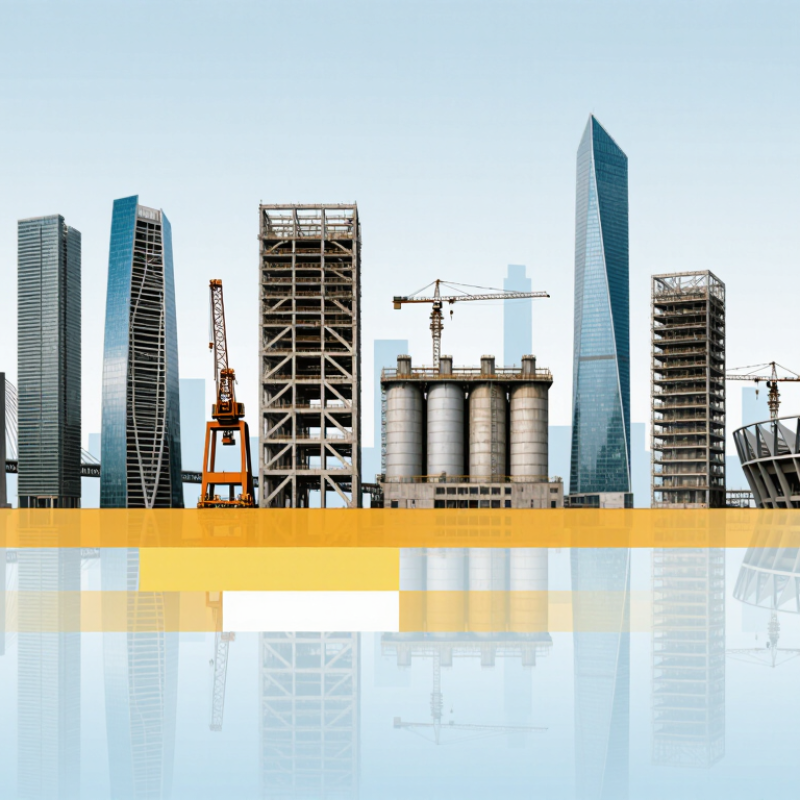
What Structural Contractors Do in China’s Construction Industry
In China’s construction industry, structural contractors build the parts that carry a building’s weight. Their work may include foundations, columns, beams, floor slabs, and steel connections. They read structural drawings, organize crews, and coordinate concrete pours or steel installation. A site manager might check rebar spacing before a slab is poured, because mistakes can be difficult to correct later. Structural work also depends on close coordination with designers, general contractors, and inspection teams.
Tips: Check a contractor’s relevant project experience, quality-control procedures, safety practices, and ability to coordinate with other trades. Ask how site changes are documented.
Good contractors do more than follow drawings. They track materials, check dimensions, and raise concerns when site conditions differ from the plans. They also manage sequencing: a delayed frame can hold up walls, building services, and interior work. Experience matters, but it is not a guarantee. Communication sometimes breaks down, and even a well-organized schedule can slip when deliveries or weather disrupt work. That practical uncertainty deserves attention when assessing a contractor’s capabilities.
Who Are the China Top 10 Structural Contractors? — What Structural Contractors Do in China’s Construction Industry
Industry overview: This table summarizes ten common structural-construction work areas in China. The rows are categories, not a company list or ranking. Structural contractors typically execute work against approved designs, applicable Chinese standards, contract requirements, and project-specific quality and safety plans.
| No. | Structural work area | Typical applications | Typical contractor responsibilities | Key controls during construction |
|---|---|---|---|---|
| 01 | Foundations and substructures | Buildings, transport facilities, industrial plants, and other structures | Construct piles, pile caps, footings, rafts, retaining elements, and other designed foundation components. | Ground conditions, setting-out, reinforcement placement, concrete quality, pile or footing records, and coordination with geotechnical requirements. |
| 02 | Cast-in-place reinforced-concrete frames | Residential, commercial, public, and institutional buildings | Build reinforced-concrete columns, beams, slabs, walls, and structural cores using formwork, reinforcement, and concrete operations. | Formwork stability, reinforcement details and cover, embedded items, concrete placement and curing, dimensions, and strength-test records. |
| 03 | Structural-steel frames | Factories, warehouses, commercial buildings, and large-span facilities | Fabricate or erect steel members and connect them using the connection methods specified in the approved design. | Material traceability, member dimensions, erection sequence, connection inspection, temporary stability, and specified coating or fire-protection work. |
| 04 | Precast-concrete structures | Buildings and infrastructure projects using factory-produced structural components | Coordinate component production, delivery, lifting, placement, temporary support, and permanent connections. | Component identification, lifting plans, transport condition, installation tolerances, connection completion, and safe removal of temporary supports. |
| 05 | High-rise structural cores and vertical systems | Tall residential, office, hotel, and mixed-use buildings | Construct structural cores, shear walls, columns, and associated floor systems in the sequence defined for the project. | Survey and verticality checks, reinforcement and formwork inspections, concrete placement, construction-joint treatment, and coordination with floor-cycle work. |
| 06 | Long-span roofs and space structures | Exhibition halls, stations, sports facilities, and industrial buildings | Install designed long-span trusses, space frames, roof-support members, and related structural connections. | Temporary works, lifting and erection sequence, connection completion, geometry checks, and protection from wind or other site hazards during erection. |
| 07 | Bridge and transport structures | Road, rail, and urban transport infrastructure | Construct structural elements such as foundations, piers, abutments, decks, and designated connections or bearings. | Survey control, concrete or steel quality, alignment, bearing installation, staged construction requirements, and work-zone safety. |
| 08 | Underground structural works | Basements, underground stations, utility structures, and retaining systems | Build designed retaining walls, slabs, columns, structural linings, and other below-ground load-bearing elements. | Excavation sequence, temporary support, groundwater management coordination, reinforcement and concrete checks, and monitoring requirements set by the project. |
| 09 | Industrial and equipment-support structures | Manufacturing plants, energy facilities, and process-industry projects | Construct structural frames, platforms, equipment foundations, pipe supports, and access structures shown in the project design. | Equipment-interface dimensions, anchor locations, load requirements, installation tolerances, material records, and coordination with mechanical and electrical trades. |
| 10 | Structural strengthening and repair | Existing buildings and infrastructure requiring repair, upgrading, or a change of use | Carry out specified strengthening or repair measures, which may include concrete repair, added structural members, or strengthening systems selected by the design team. | Existing-condition surveys, approved repair methods, substrate preparation, installation records, quality inspections, and protection of occupied or operating areas. |
Related Posts
-
What Are Structural Contractors?
-
How to Choose the Best Structural Contractors for Your Projects?
-
How to Choose Reliable Residential Construction Contractors?
-

2026 Top Residential Construction Contractors to Watch?
-

2025 Top 10 Innovative Construction Materials Revolutionizing Building Industry
-
5 Key Advantages of Choosing Steel Building Construction for Your Next Project