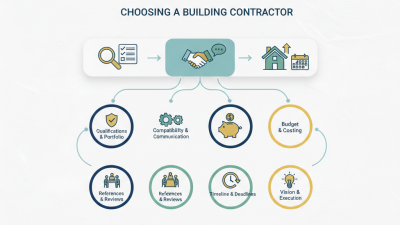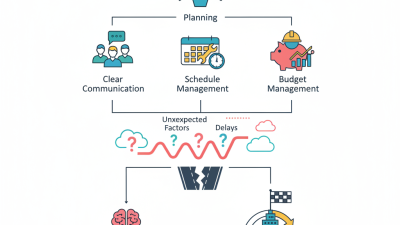
Choosing the right structural contractors is crucial for the success of any construction project. According to recent industry reports, up to 30% of construction projects experience delays due to contractor issues. This emphasizes the need to select experienced professionals who understand structural integrity and project management. Structural contractors play a pivotal role in ensuring safety and compliance with industry regulations.
A reliable contractor can significantly influence the overall project cost and timeframe. In fact, projects managed by experienced structural contractors can see cost savings of 15-20%. This reinforces the importance of making informed choices. However, many clients still struggle to identify trusted contractors. They may opt for bids that seem appealing but overlook qualifications and past performance.
It's vital to ensure that contractors have a solid portfolio and verify their references. Connecting with industry professionals can also provide insights into the contractor's reputation and past work. In a field where trust and quality are paramount, taking the time to assess structural contractors can lead to successful and timely project completions.
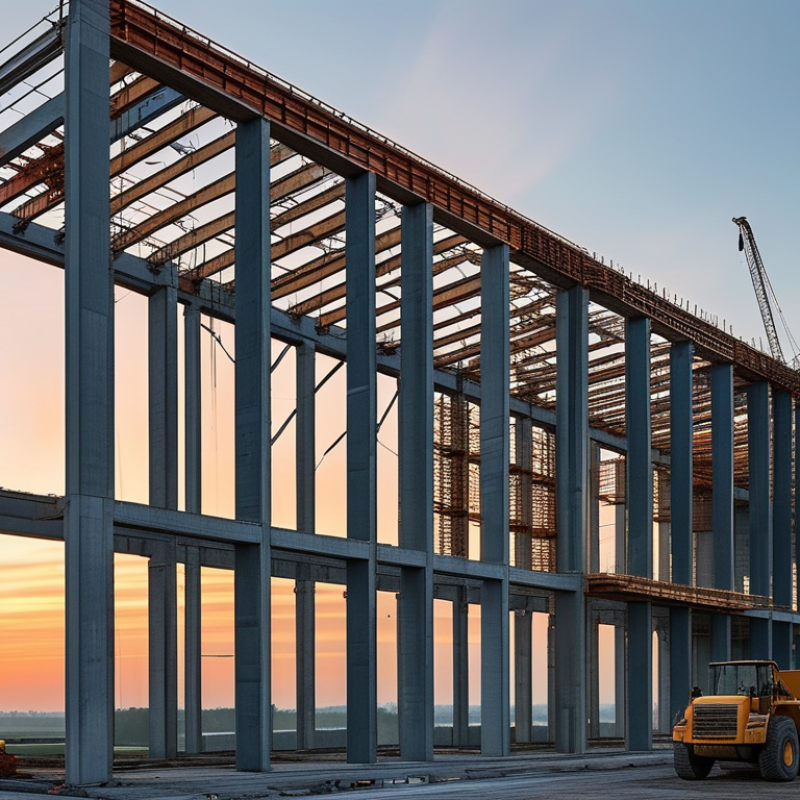
Structural contractors play a vital role in construction projects. They are responsible for creating the framework of buildings. This includes everything from foundations to beams and columns. Their work ensures safety and stability. According to the American Institute of Architects, about 40% of construction costs are linked to structural elements. Thus, choosing the right contractor is crucial.
Expertise is key when selecting structural contractors. Most successful contractors have years of experience. They are familiar with local building codes and regulations. A report from the Construction Industry Institute highlights that skilled contractors can reduce project delays by up to 30%. This knowledge directly impacts project timelines and budgets.
Trustworthiness is another important factor. Engaging contractors with a strong reputation can lead to better outcomes. Poor choices may lead to structural failures. These failures are costly and can jeopardize safety. Research by McKinsey indicates that 70% of construction projects face cost overruns due to poor contractor performance. Therefore, it's essential to consider not only experience but also past project success when making a decision.
When selecting structural contractors, key qualities can significantly impact your project's success. A contractor's experience is paramount. According to the American Subcontractors Association, firms with over five years of experience generally deliver better results. They possess an understanding of common challenges in various projects. Also, innovative problem-solving skills can save time and resources.
Another critical factor is the contractor's reputation. Research indicates that 90% of clients trust online reviews as much as personal recommendations. Look for feedback regarding quality, reliability, and communication. Engaging contractors who prioritize transparency in their work fosters a better collaborative environment. Clear communication leads to fewer misunderstandings and smoother progress.
Financial stability should not be overlooked. The Construction Industry Institute reports that companies with strong financial health are more likely to complete projects on time and on budget. A financially secure contractor can handle unexpected costs. Always verify financial records before making a decision. Overall, these qualities play a vital role in choosing the right structural contractor for your projects.
When choosing structural contractors, evaluating their experience and expertise is crucial. Look for contractors with years in the industry. A strong portfolio reflects their capability. Each project should demonstrate their understanding of diverse structural challenges. An experienced contractor knows the nuances of local building codes and regulations. They also adapt to unexpected issues, ensuring projects stay on track.
Assessing expertise goes beyond years. Ask for certifications and credentials. These are signs of professionalism and commitment to quality. It’s helpful to verify their past work. References from previous clients can provide insights into their reliability. Discussing specific projects with potential contractors can reveal their problem-solving skills. Do they communicate well? Can they explain their methods clearly?
It's important to recognize that not all professionals will fit every project. Some might lack relevant experience in specialized structures. A contractor may excel in residential projects but struggle with commercial demands. Balancing experience with the specific needs of your project is essential. This reflects a thoughtful approach to selecting the right contractor.
When selecting structural contractors, examining their portfolios is crucial. Look for success stories and case studies that highlight their strength. A portfolio should include diverse projects. This showcases the contractor's range and flexibility. Consider projects similar to yours; this can indicate how they will approach your needs. Images and descriptions should demonstrate creativity and problem-solving skills used in challenging situations.
Many contractors provide detailed case studies. Analyze these for outcomes, client feedback, and timelines. Successful projects often reveal contractors' commitment to quality and deadlines. If case studies lack depth, it may reflect their experience level. Prioritize contractors who tell compelling narratives about their work. This can give insights into their problem-solving capabilities.
Finding reliable contractors is challenging. Interview them about their portfolio experiences. Ask about specific obstacles they faced. Their response may reveal their resilience and adaptability. Assessing these factors can lead to a better match for your project. Trust also plays a role; ensure they provide references who can speak to their reliability.
When evaluating the cost estimates from structural contractors, accuracy is paramount. A recent study by the National Association of Home Builders found that 65% of construction projects exceed their initial budgets. This discrepancy often arises from improper planning and vague estimates. Contractors must provide clear breakdowns of all costs, including labor, materials, and overhead.
Budget management techniques play a critical role in keeping projects on track. Incorporating tools like project management software can help track expenses in real-time. This enables project managers to adjust allocations as necessary. According to a report from the Construction Financial Management Association, companies that implement robust budgeting tools reduce budget overruns by up to 30%.
Another essential factor is communication with contractors. Inconsistent dialogues can lead to misunderstandings about budget limits. Regular check-ins and updates are necessary to mitigate this risk. A survey by McKinsey found that 45% of construction delays are the result of lack of coordination. Building a partnership with clear expectations can lead to better financial outcomes in the long run.