What Are the Types of Construction Projects?
Construction projects shape the places where people live, work, travel, and produce goods. They range from a small kitchen renovation to a major airport, bridge, hospital, or manufacturing plant. Each project carries different requirements for design, funding, permits, materials, labor, safety, and delivery time.
Industry data shows the scale of this sector. The U.S. Census Bureau reported more than $2 trillion in annual construction spending in recent years, including private and public work. Dodge Construction Network’s 2024 Construction Outlook also highlighted uneven growth across residential, commercial, institutional, and infrastructure markets. These figures reveal an important point: “construction” is not one market. It is a collection of project types with distinct risks and performance measures.
This guide explains the main categories of construction projects. It covers residential construction, commercial buildings, industrial facilities, infrastructure, heavy civil work, and renovation projects. Residential work may involve homes, apartments, or high-rise housing. Commercial projects include offices, retail centers, hotels, and restaurants. Industrial projects often require specialized systems, large equipment, and strict process controls. Infrastructure includes roads, railways, airports, utilities, and water-treatment facilities.
The boundaries are not always perfect. A hospital, for example, may combine commercial construction, public funding, complex engineering, and specialized medical systems. Project labels can overlap.
Understanding these differences helps owners, contractors, engineers, and investors make better decisions. It also clarifies which delivery method, contract structure, schedule, and risk plan may fit the work. Mistakes still happen, especially when a project is classified too early or too simply.
Classifying Construction Projects: 2023 U.S. Spending Reached $1.98 Trillion
What Are the Types of Construction Projects?
Classifying Construction Projects: 2023 U.S. Spending Reached $1.98 Trillion
Construction projects differ by purpose, funding, materials, and risk. In 2023, U.S. construction spending reached roughly $1.98 trillion, according to national industry estimates. That figure includes private and public work across residential, commercial, industrial, and infrastructure projects.
Residential construction includes single-family homes, apartments, and large housing developments. Commercial projects cover offices, retail spaces, hotels, and medical facilities. Industrial construction supports factories, warehouses, energy facilities, and processing plants. Infrastructure work includes highways, bridges, airports, water systems, and public transit.
The scale is enormous.
These categories help owners and contractors estimate labor, materials, schedules, and permits. A hospital may require complex mechanical systems and strict safety controls. A bridge demands structural analysis, traffic planning, and long-term durability. A warehouse may prioritize clear floor space, loading access, and efficient circulation.
Construction spending also changes with interest rates, material prices, population growth, and public investment. Residential work can slow when borrowing becomes expensive. Infrastructure projects may continue because communities still need safer roads and stronger utilities. However, spending totals do not show every challenge. A higher budget does not always mean better workmanship or faster delivery.
Project categories can overlap. A mixed-use development may contain apartments, shops, parking, and public facilities. This classification is useful, but not perfect. Experienced teams still review each project’s location, users, regulations, and physical conditions before choosing a delivery strategy.
Residential and Commercial Buildings: U.S. Housing Starts Exceeded 1.4 Million in 2023
Construction projects usually fall into
residential, commercial, industrial, infrastructure, and institutional categories.
Residential work includes single-family homes, townhouses, apartment buildings, and renovations.
Commercial projects cover offices, retail spaces, hotels, warehouses, and mixed-use developments.
Each type requires different designs, permits, budgets, and construction schedules.
The U.S. recorded more than 1.4 million privately owned housing starts in 2023.
This figure shows strong activity in residential construction. It includes new homes that moved from planning into physical construction.
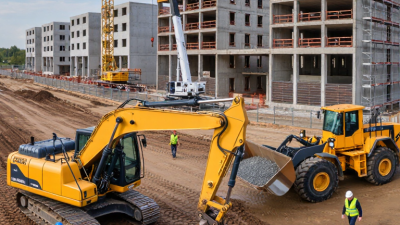
A single-family start may involve foundation excavation, concrete forms, framing, and utility connections.
Multifamily projects can place dozens of units on one urban site.
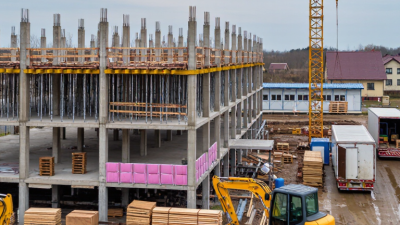
Cranes, temporary fencing, and material deliveries often signal this scale.
The number sounds definitive, but it does not represent completed homes.
Weather, labor shortages, financing changes, and inspection delays can slow progress.
Commercial construction follows different demand signals.
A warehouse may need tall clear spaces and heavy loading areas.
An office building may require complex mechanical and electrical systems.
Site conditions also matter. Soil problems can change the budget quickly.
I would treat housing starts as an important market indicator, not a complete picture.
Data can be accurate and still incomplete.
The real project story appears later, through completed buildings, occupied spaces, and long-term performance.
Industrial Facilities: Data-Center Electricity Demand May Double by 2030
What Are the Types of Construction Projects?
Industrial facilities are becoming one of the most demanding construction project types. Data-center electricity demand may double by 2030, according to recent industry forecasts. This growth is driven by cloud services, artificial intelligence, and expanding digital storage. A modern facility may contain rows of servers, backup generators, cooling equipment, and complex electrical rooms. Every system must work together without interrupting operations.
These projects require stronger coordination than many commercial buildings. Engineers must plan power capacity, heat removal, fire protection, and physical security from the earliest design stage. Construction teams also need accurate load estimates and space for future expansion. On active projects, small design changes can affect cable routes, equipment delivery, and commissioning schedules. I have seen planning assumptions become outdated quickly. That is an uncomfortable but useful lesson.
Tips: Confirm utility capacity before finalizing the site. Leave room for additional transformers and cooling units. Use staged inspections for electrical installation. Record every design change clearly. Do not treat energy efficiency as an optional feature. Efficient cooling can reduce operating costs and support reliability, but projected demand is still difficult to predict. Teams should test emergency systems under realistic conditions, including high heat and partial equipment failure. A beautifully finished building is not enough. Its infrastructure must remain dependable at three in the morning.
Industrial Facilities: Global Data-Center Electricity Demand May Double by 2030
Global data centers consumed approximately 415 TWh of electricity in 2024. The International Energy Agency projects demand could reach about 945 TWh by 2030, driven by artificial intelligence, cloud computing, and digital services.
Source: International Energy Agency, Electricity 2025. Values shown are global estimates in terawatt-hours (TWh).
Civil Infrastructure: Global Investment Needs Could Reach $3.7 Trillion Annually
What Are the Types of Construction Projects?
Civil Infrastructure: Global Investment Needs Could Reach $3.7 Trillion Annually
Construction projects vary widely, from residential buildings to transport networks and water systems. Civil infrastructure requires the deepest coordination. Roads, bridges, railways, ports, power lines, and drainage systems support entire economies. They also remain in service for decades.
Global investment needs in civil infrastructure could reach $3.7 trillion annually.
This figure reflects growing populations, urban expansion, aging assets, and stronger climate pressures. A damaged bridge may delay freight, emergency services, and daily commuters. A poorly planned drainage channel can leave streets flooded after one severe storm.
Effective projects begin with reliable surveys and realistic cost models. Engineers must examine soil conditions, traffic patterns, water flow, and future maintenance needs. Local workers and residents can provide practical knowledge that technical reports may miss. Their experience often reveals access problems, seasonal flooding, or unsafe routes.
The figure is powerful, but it is not perfect. Construction prices change quickly, and investment estimates cannot predict every crisis. Some budgets also understate long-term repairs. That weakness deserves attention. A new highway may look successful on opening day, yet deteriorate early without proper drainage and inspections.
Good infrastructure is not only concrete and steel. It is dependable service, measured over time.
Specialized Facilities: Healthcare Construction Exceeded $50 Billion in 2023
What Are the Types of Construction Projects?
Specialized Facilities: Healthcare Construction Exceeded $50 Billion in 2023
Healthcare construction exceeded $50 billion in 2023, according to widely cited industry estimates. This growth reflects demand for hospitals, outpatient centers, laboratories, and senior care facilities. These projects differ from ordinary commercial buildings. A hospital must support emergency access, infection control, reliable power, and complex medical equipment.
A healthcare project often begins with detailed site studies and clinical workflow planning. Designers may map patient routes from reception to imaging rooms. Builders must coordinate ventilation, shielding, backup generators, plumbing, and digital systems. A small mistake can delay inspections or disrupt patient care. On active sites, dust barriers and temporary corridors become essential. They protect staff, visitors, and vulnerable patients.
Cost control is difficult because materials, labor, and equipment requirements can change quickly. In my view, early coordination reduces expensive revisions later. Still, no plan stays perfect. A concealed pipe, a delayed permit, or a changed clinical requirement can reshape the schedule. That assumption can fail. Construction teams need documented decisions, regular safety checks, and honest communication with facility operators. Practical experience also shows that commissioning deserves more attention. Testing alarms, air pressure, generators, and medical gas systems takes time. Rushing this stage may create operational risks after opening. Healthcare construction is therefore not only about building space. It is about creating dependable environments where every doorway, surface, and system supports care.