Top 10 Innovative Construction Solutions for Global Buyers?
In the ever-evolving construction industry, innovative solutions play a critical role in meeting the demands of global buyers. John Smith, a leading expert in construction solutions, emphasizes, "Innovation is the lifeblood of construction." This statement captures the essence of the industry today. As technology advances, traditional methods often fall short. The shift towards sustainable and efficient practices is imperative.
Global buyers seek construction solutions that address their unique challenges. These may include cost efficiency, sustainability, and adaptability. Many companies struggle to keep up with these rapid changes. Adopting new technologies can lead to initial hurdles, but overcoming them can yield substantial rewards. Implementing innovative materials or techniques often requires careful planning and testing.
However, relying solely on cutting-edge technology isn't enough. It's essential to integrate human expertise into the process. The combination of innovative solutions and skilled professionals can drive success. In this landscape, the journey towards better construction solutions is ongoing. Companies must be open to learning from both successes and missteps. This adaptability is what will ultimately shape the future of construction.
Innovative Materials Transforming the Construction Industry
The construction industry is undergoing a significant transformation due to innovative materials. New technologies are changing how buildings are designed and constructed. According to a recent report by the McKinsey Global Institute, productivity in global construction can be improved by 50% with innovative solutions.
Sustainable materials, like bamboo and recycled plastics, are gaining traction. These materials reduce environmental impact and offer durability. For example, using recycled steel can lower emissions by up to 90%. This shift not only meets regulatory demands but also attracts eco-conscious buyers.
Tip: Consider using modular construction techniques. These can speed up project timelines while reducing waste.
Additionally, smart materials, which adapt to their environment, are becoming popular. These include
self-healing concrete and
temperature-responsive coatings. While promising, challenges remain in scaling production and ensuring consistency.
Tip: Keep abreast of industry trends through reliable publications. This knowledge can guide your material choices and project planning.
Investing in innovative materials can yield long-term benefits. However, it’s crucial to evaluate their practicality on a case-by-case basis. Understanding their limitations can enhance project outcomes.
Advanced Technology Adoption in Global Construction Practices
The global construction industry is rapidly evolving. Advanced technology adoption is reshaping how projects are executed. According to a report by McKinsey, construction productivity can increase by up to 15% by implementing digital solutions. These technologies are not just trends; they are essential for efficiency.
BIM (Building Information Modeling) allows for better planning and visualization. This technology reduces errors during construction, saving both time and costs. A recent study indicated that 72% of construction companies that adopted BIM saw a notable reduction in project delays. However, the transition is not without challenges. Many firms struggle with the initial investment costs and training staff to use new software effectively.
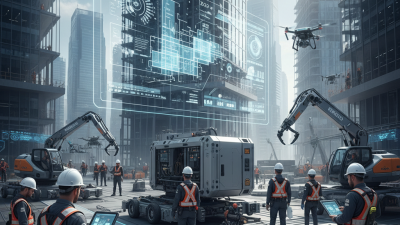
Moreover, the integration of IoT (Internet of Things) in construction sites enhances real-time monitoring. Sensors can track equipment health and material conditions, thus preventing unexpected failures. Yet, concerns about data security and management persist. As technology evolves, the industry must address these issues to fully realize the benefits. While advancements are promising, there remains a significant gap between technology potential and current industry practices.
Sustainable Building Solutions for Modern Construction Challenges
Sustainable building solutions are essential in addressing modern construction challenges. The construction industry significantly contributes to environmental degradation. Eco-friendly practices can help mitigate this issue. Innovative materials, such as recycled concrete and bamboo, are gaining traction among builders. These materials reduce waste and lower carbon footprints, making them ideal for sustainable projects.
Energy-efficient designs also play a crucial role in modern construction. Utilizing natural light reduces the need for artificial lighting. Green roofs provide insulation and manage stormwater runoff effectively. These strategies not only save energy but also create healthier living spaces. However, there is still a long way to go. Many construction firms struggle to fully embrace these sustainable practices. Adaptation often requires significant investment and training.
Challenges in sustainability exist. Some builders fear higher upfront costs. Others lack knowledge of new technologies. Education and ongoing support are critical for overcoming these barriers. Architects and contractors must collaborate to share best practices. This culture of learning fosters innovation and resilience in addressing construction's future challenges.
Case Studies of Successful Innovative Construction Projects Worldwide
Innovative construction projects are reshaping buildings around the globe. One such project is a sustainable housing development in Scandinavia. This initiative showcased the integration of eco-friendly materials and smart technology. The homes are energy-efficient and rely on renewable resources. It addresses environmental challenges while enhancing residents' quality of life.
Another fascinating case is the use of 3D printing in constructing affordable homes. This technique significantly reduces waste and labor costs. A famous project in Mexico built ten homes in just 24 hours. It demonstrates the potential of rapid construction methods to tackle housing shortages efficiently. However, the long-term durability of these printed structures remains a topic of discussion.
**Tip:** Always assess the local environment before implementing new technologies. Each region has unique challenges and opportunities. Collaboration with local experts is essential for success. Engage with the community to understand their needs and get feedback.
Moreover, modular construction is gaining traction in urban environments. Factories build units off-site and assemble them on location. This method boosts efficiency and minimizes disturbances in busy areas. Yet, there are challenges with zoning laws that can hinder progress. Builders must navigate regulations carefully to ensure compliance.
**Tip:** Stay updated on local building codes. Understanding the legal framework can save time and resources during construction. Efficient planning is key to avoiding pitfalls.
Top 10 Innovative Construction Solutions for Global Buyers
| Project Location |
Innovation Type |
Impact on Sustainability |
Project Outcome |
Investment (USD) |
| Berlin, Germany |
3D Printed Housing |
Reduced material waste |
Successfully built 20 units |
1,500,000 |
| Tokyo, Japan |
Modular Construction |
Enhanced efficiency in building time |
Completed in half the time |
2,800,000 |
| New York, USA |
Green Roof Technology |
Improved air quality |
Attracted urban wildlife |
1,200,000 |
| Sydney, Australia |
BIM Technology |
Minimized errors in construction |
Reduced costs significantly |
3,000,000 |
| Shanghai, China |
Smart Building Systems |
Energy savings by 30% |
Achieved LEED Platinum Certification |
4,500,000 |
| London, UK |
Sustainable Materials |
Lower carbon footprint |
Finalized with eco-labels |
2,200,000 |
| Toronto, Canada |
Recycled Materials |
Promoted circular economy |
Demonstrated feasibility |
1,800,000 |
| Dubai, UAE |
Drones in Construction |
Improved monitoring |
Enhanced construction speed |
2,500,000 |
| Amsterdam, Netherlands |
Self-Healing Concrete |
Increased durability |
Reduced maintenance costs |
3,200,000 |
| Singapore |
Virtual Reality in Planning |
Improved design accuracy |
Better stakeholder engagement |
1,000,000 |
Future Trends in Construction Innovations for International Markets
The construction sector is evolving rapidly with innovative solutions catering to global buyers. The rise of sustainable materials is a significant trend. Builders are increasingly turning to eco-friendly options. This shift not only reduces carbon footprints but also enhances building longevity. However, the challenge lies in the limited availability of such materials in some regions, affecting consistency.
Digital technology also plays a vital role in construction innovations. The use of Building Information Modeling (BIM) helps improve project efficiency. Yet, many small firms face difficulties adopting these advanced tools. Training is often required but can be a roadblock due to resource constraints. Investing in skill development is crucial for long-term success.
Another notable trend is the integration of prefabrication techniques. These methods can significantly reduce construction time. While they offer clear benefits, some traditional contractors resist change. This reluctance may stem from concerns over quality control. It is essential for the industry to address these fears by demonstrating the advantages of modernized practices.