In the ever-evolving landscape of construction, "construction solutions" have become critical for project success. According to John Smith, a leading expert in the field, "Effective construction solutions can transform challenges into opportunities." His insights highlight the necessity of innovative approaches to complex construction hurdles.
Modern construction projects require not only efficiency but also adaptability. Construction solutions encompass a range of strategies, from advanced technology to project management techniques. These solutions not only streamline processes but also enhance collaboration among teams. However, the implementation can be tricky. Identifying the right tools can be overwhelming for project managers.
Challenges in adopting construction solutions often stem from resistance to change within teams. Building a culture that embraces innovation is essential. It can be difficult, but the rewards are significant. Companies that effectively apply these solutions often see improved timelines and reduced costs. Transitioning to modern methods is not simple. Yet, it is vital for staying competitive in today's market.

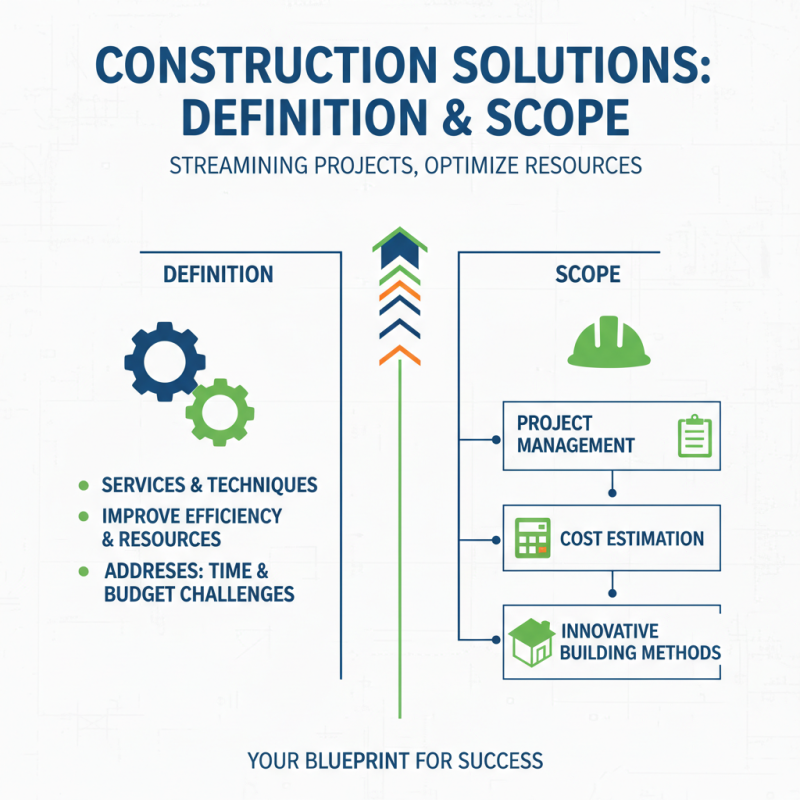
Construction solutions encompass a broad range of services and techniques designed to streamline projects. These solutions can include project management, cost estimation, and innovative building methods. They aim to improve efficiency and optimize resources throughout the construction process. With these solutions, many project teams can address common challenges, such as time overruns and budget constraints.
The scope of construction solutions is vast. It includes architectural design, engineering services, and sustainability practices. Each element plays a critical role in the development lifecycle. By incorporating advanced technology, such as Building Information Modeling (BIM), teams can visualize projects more clearly. This leads to better decision-making and reduces the likelihood of costly mistakes. However, relying solely on technology could overshadow human insight and experience, which are equally vital.
Adopting construction solutions is not without obstacles. Teams may face resistance to change or struggle to integrate new practices into their workflow. Overcoming these issues requires patience and commitment. While innovative solutions offer great potential, they must be balanced with traditional knowledge. This blend fosters a more resilient approach to construction, paving the way for successful projects in an ever-evolving industry.
Construction solutions encompass a wide range of services tailored to meet the unique demands of various projects. These solutions include design-build services, project management tools, and advanced building materials. Each type serves a different purpose but ultimately aims to enhance project efficiency.
Design-build services integrate design and construction. This can reduce the time from concept to completion. However, effective communication among team members is crucial. A lack of clarity may lead to costly adjustments later. Collaborate well to keep everyone on the same page.
Project management tools streamline workflows, helping teams stay organized. Digital platforms allow for real-time tracking of progress. Still, reliance on technology can sometimes introduce challenges. For example, if the software fails, critical information may be lost. Always maintain traditional methods as a backup.
Advanced building materials, like sustainable options, appeal to modern construction needs. They promote environmental responsibility but can be expensive. Weigh the benefits against budget constraints. Focus on long-term gains rather than immediate savings. These decisions are not always straightforward. Balancing innovation with practicality is key.
Construction solutions are vital for enhancing project efficiency and effectiveness. According to a McKinsey report, the construction industry has lagged behind other sectors in productivity growth, showing a mere 1% annual improvement over the past two decades. Implementing modern construction solutions can flip this trend. These solutions often lead to reduced project timelines and lower overall costs. For instance, projects utilizing digital tools can see a 20% reduction in time spent on documentation and administrative tasks.
One key benefit of construction solutions is improved collaboration among teams. A study from the Construction Industry Institute indicated that projects with integrated teams report a 15% decrease in costs. Enhanced communication tools allow for real-time updates, which help mitigate errors. However, not all teams embrace these technologies easily. Resistance can stem from fear of change or lack of training. It’s essential for project leaders to invest in proper training and support.
Moreover, construction solutions enable better resource management. A recent report by the World Economic Forum highlighted that using advanced analytics led to a 10-15% reduction in material waste. This figure emphasizes how data-driven decisions can optimize resource allocation. Nevertheless, many construction companies still rely on outdated practices. This gap presents an opportunity but also a challenge for the industry as it seeks to innovate while addressing existing limitations.
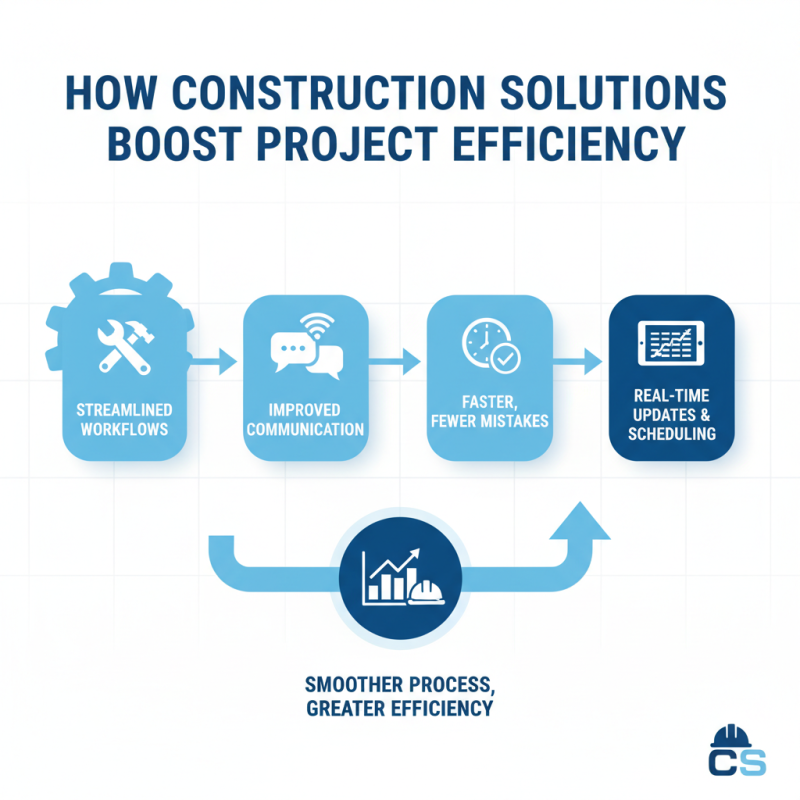
Construction solutions play a vital role in enhancing project efficiency. They streamline workflows and improve communication among team members. When teams use modern tools, they can work faster and with fewer mistakes. Automated scheduling and real-time updates keep everyone in the loop. This leads to a smoother process.
However, implementing construction solutions isn't always easy. Teams may face resistance to change. Some might prefer traditional methods, which can slow down progress. Training is essential but often overlooked. Mistakes in onboarding can hinder a project’s success. It's crucial to address these challenges proactively, placing a strong emphasis on education and adaptation.
Emphasizing collaboration is key. Construction solutions enable different stakeholders to share insights and ideas. This collective intelligence often yields innovative approaches. Yet, teams must also be ready to reflect on their processes. Regular performance reviews can highlight areas needing improvement. Embracing feedback fosters continuous growth and efficiency, ultimately benefiting all involved.
Construction solutions have become essential in managing complex projects effectively. Case studies reveal their transformative impact. For instance, a residential project in Houston implemented innovative scheduling software. It improved workflow and reduced delays. The result was a 15% increase in project efficiency. Such examples demonstrate how tailored solutions can drive success.
When exploring construction solutions, consider a few tips. Evaluate your project needs carefully. Not all solutions fit all projects. Customize your approach for greater impact. Another key insight is to involve your team early. Their feedback is invaluable. Engaging stakeholders can unveil potential challenges.
Reflection is important in this process. Sometimes, a solution may not yield expected results. Learning from these moments can enhance future strategies. Projects that adapt often turn setbacks into learning experiences. This adaptability is crucial for continuous improvement.
| Project Name | Location | Solution Implemented | Benefit Realized | Completion Time |
|---|---|---|---|---|
| Project A | New York, USA | Lean Construction | Reduced Waste by 30% | 12 months |
| Project B | London, UK | Building Information Modeling (BIM) | Improved Design Accuracy | 15 months |
| Project C | Tokyo, Japan | Prefabrication Techniques | Cut Construction Time by 20% | 10 months |
| Project D | Sydney, Australia | Sustainable Building Practices | Energy Savings of 25% | 8 months |
| Project E | Toronto, Canada | Project Management Software | Enhanced Team Collaboration | 11 months |