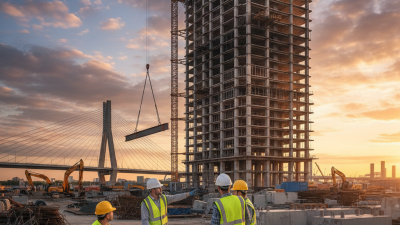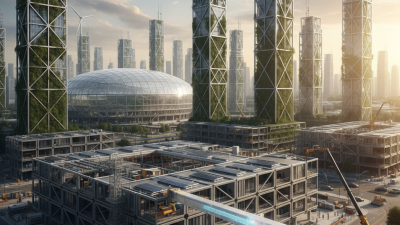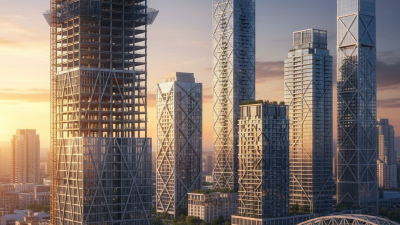
Cities around the globe are undergoing remarkable transformations. At the heart of these changes are innovative building projects. They redefine landscapes and create vibrant spaces. These projects are not just about aesthetics; they enhance communities.
In cities like Barcelona and Singapore, building projects integrate sustainability and technology. They promote eco-friendly practices, aiming for greener urban living. However, some developments face criticism. Concerns about gentrification and displacement arise, reminding us to balance progress with community needs.
Exploring the top building projects worldwide reveals a range of architectural marvels. From skyscrapers to cultural hubs, they reflect local identities. Each project tells a story of ambition and challenges. These transformations showcase the potential to improve urban life, but also highlight areas for reflection and improvement.
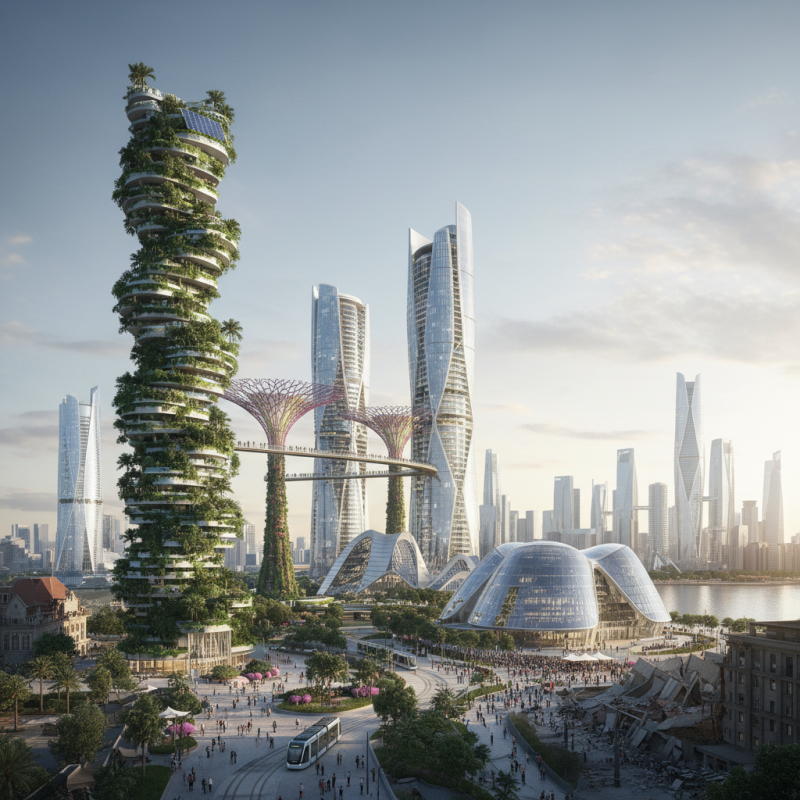
Urban design plays a crucial role in transforming cities into vibrant spaces. Thoughtfully designed buildings can reshape neighborhoods, improve local economies, and enhance the quality of life. The physical layout influences how people interact with their surroundings. Open spaces, for instance, encourage social gatherings and foster community spirit.
Modern building projects often prioritize sustainability. Green roofs and energy-efficient systems reduce environmental impact. However, there’s a balance to strike. Rapid development can displace long-time residents. Gentrification often alters a community's character. A reflective approach is needed to honor both progress and tradition.
Tips for good urban design include involving local communities in planning. Their insights can reveal needs that developers might overlook. Prioritizing mixed-use spaces enhances accessibility and liveliness. Frequent assessments of projects ensure they remain beneficial over time. Remember, a city’s design should reflect its unique identity while adapting to change.
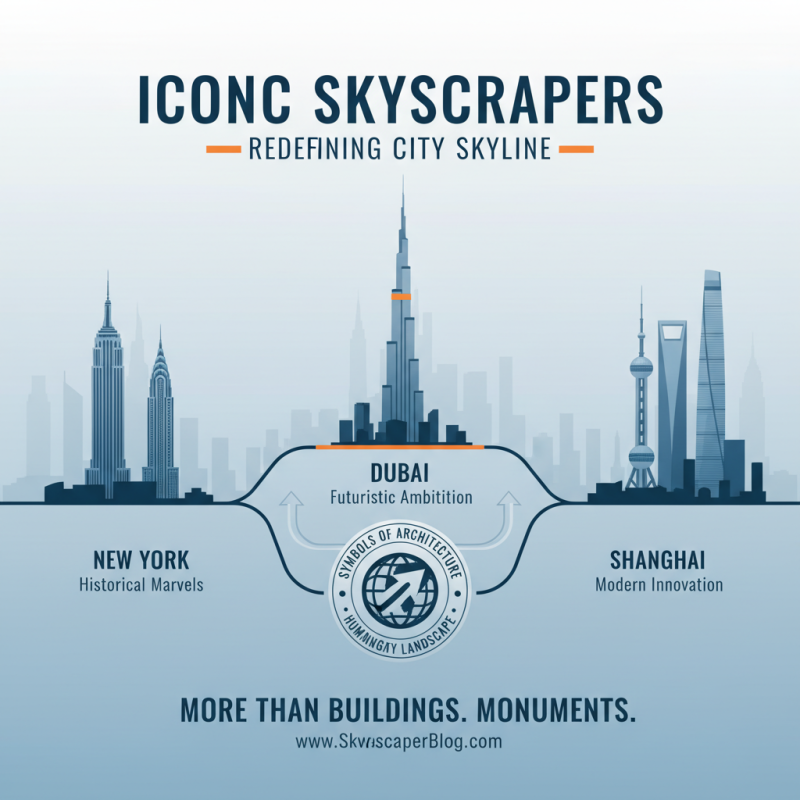
Iconic skyscrapers have become symbols of modern architecture. They redefine city skylines and stand as monuments to human ingenuity. Cities like New York, Dubai, and Shanghai showcase these towering structures. Each skyscraper tells a unique story and contributes to the urban landscape.
Building a skyscraper is no small feat. It requires careful planning and innovative engineering. While these structures embody progress, they can also lead to gentrification. Neighborhoods may change dramatically, altering the lives of long-time residents. This transformation sparks discussions about balance in urban development.
The aesthetics of a skyline often reflect the cultural identity of a city. Each building showcases different design philosophies and techniques. However, the rapid development can lead to concerns about environmental impact and community disruption. As cities grow, finding harmony between progress and preservation becomes crucial. Embracing both innovation and history appears essential for sustainable urban growth.
Urban mobility is increasingly affected by innovative public infrastructure projects. Cities worldwide are investing in systems that promote efficient transportation. These projects enhance accessibility for citizens while reducing congestion.
Examples include dedicated bus lanes and expanded cycling paths. These solutions create a balance between different transport modes. However, not all initiatives achieve their goals. Some projects face criticism for inadequate planning or execution. Community engagement is often lacking, resulting in developments that do not meet local needs.
Public spaces are being redesigned to support mixed-use developments. Streetscapes are being transformed with pedestrian-friendly designs. Yet, many projects encounter obstacles, such as bureaucratic delays. Reflecting on these challenges can help city planners create better urban experiences. Collaboration and feedback from residents could lead to more successful transformations in urban mobility.
Urban revitalization is increasingly focused on sustainable architecture. This approach transforms cities while addressing environmental concerns. Key projects incorporate green spaces, renewable energy, and efficient materials. These elements enhance urban living and promote community engagement.
For example, vertical gardens are becoming popular in densely populated areas. They improve air quality and reduce the urban heat island effect. However, implementing these features can be complex. It often requires collaboration among architects, city planners, and local communities.
Not all projects succeed. Some initiatives face resistance due to funding or zoning laws. Still, the drive for sustainable solutions is growing. It reflects a shift in how we view urban spaces. Ultimately, cities must embrace these changes to thrive sustainably.
This chart showcases the estimated CO2 reduction (in metric tons) from various sustainable building projects across different cities, highlighting their impact on urban revitalization efforts.
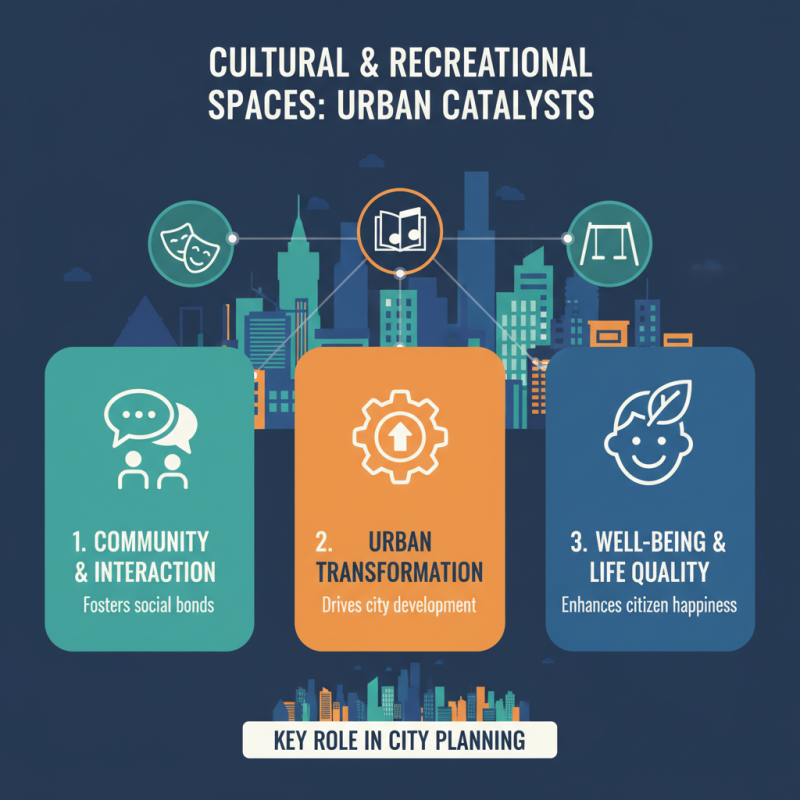
Cultural and recreational spaces play a crucial role in urban transformation. They serve as more than just venues for leisure. They are catalysts for community engagement and social interaction. The design of these spaces can impact citizens' well-being profoundly. When thoughtfully integrated into city planning, they enhance public life.
Many cities are creating parks, art installations, and performance areas. These projects often require collaboration between architects, city planners, and local communities. A park might seem like a simple green space, but it can foster social connections. It encourages families to gather and residents to meet.
However, not all projects succeed. Some areas face challenges like maintenance issues and neglect. Community involvement is essential for sustainability. If citizens feel disconnected, these spaces can become underutilized. Ultimately, the goal is to create places that resonate with people and fulfill their needs.