China Top 10 Prefabricated Construction Companies?
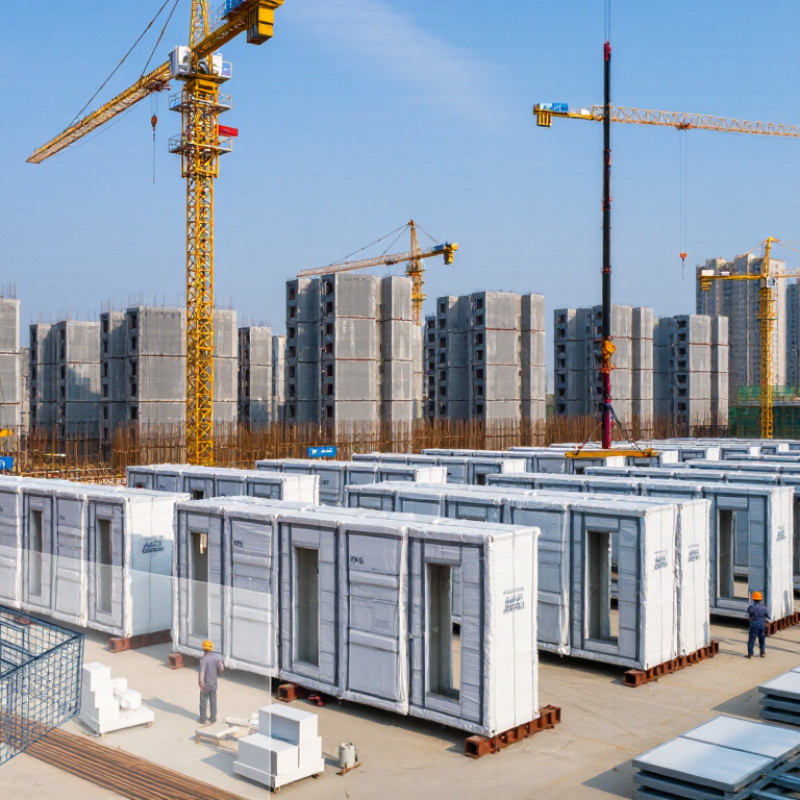
China’s prefabricated construction sector is moving from pilot projects toward industrialized building delivery. The shift is visible on busy sites, where factory-made wall panels arrive labeled, wrapped, and ready for installation. China’s State Council guidance set a goal for prefabricated buildings to represent 30% of new construction by 2025. That target shows policy ambition, although regional performance and reporting quality differ.
Global evidence supports this direction. McKinsey’s 2019 report, “Modular construction: From projects to products,” estimated that modular methods could create a US$130 billion market in the United States and Europe by 2030. The report also identified potential annual savings of US$20–30 billion. These figures do not automatically apply to China. Local labor costs, land policies, design standards, and supply chains change the calculation.
This China Top 10 list should therefore examine more than revenue or brand visibility. It should consider factory capacity, completed projects, engineering expertise, quality systems, BIM adoption, delivery reliability, and lifecycle performance. Data from China’s Ministry of Housing and Urban-Rural Development, company disclosures, audited project records, and recognized industry reports can support a more credible comparison. Real project evidence matters.
No ranking is flawless. Public disclosure varies. Some companies report impressive production capacity but provide limited evidence on defects, maintenance, or carbon performance. Readers should treat this overview as a practical starting point, not a final verdict. A strong prefabricated construction partner must perform beyond the brochure, from precise factory cutting to safe assembly on a crowded urban site.
What Is Prefabricated Construction in China?
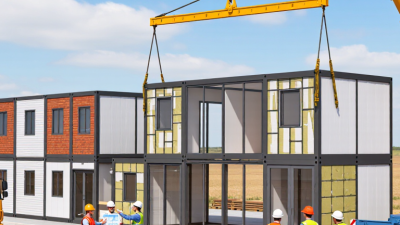
Prefabricated construction in China means making building components in controlled factories before sending them to the site. Workers then assemble panels, modules, steel frames, or bathroom units on prepared foundations. This approach can reduce construction waste and shorten installation time. It also improves consistency when factory teams follow tested procedures. The building still needs careful structural design, fire protection, insulation, and earthquake resistance. Local approval requirements matter. Design coordination matters too. That sounds simple.
Tips: Check the factory’s quality records and production controls. Ask how joints resist water, heat, and movement. Review delivery routes before approving large modules. Confirm that drawings match Chinese building codes and the project’s local conditions. Keep spare materials for repairs. Small details matter.
A practical warning is necessary. Prefabrication is not automatically faster or cheaper. Poor planning can create expensive delays before production begins. Transport limits, narrow roads, lifting equipment, and site access can change the entire schedule. Moisture around unfinished joints is another common risk. Experienced project teams inspect connections, tolerances, and sealants at each stage. Digital models can reduce clashes, but they do not replace site judgment. One assumption deserves reflection: factory precision cannot correct weak design decisions. Reliable results come from coordinated architects, engineers, manufacturers, inspectors, and installers.
Key Criteria for Ranking China’s Leading Prefabricated Builders
China Top 10 Prefabricated Construction Companies?
Ranking China’s leading prefabricated builders requires more than counting completed projects. Experience should be measured through verified delivery records, project scale, and performance across different climates. The Ministry of Housing and Urban-Rural Development reported that prefabricated buildings represented about 24.5% of China’s new construction in 2021. This expanding market makes delivery reliability increasingly important.
Quality needs measurable evidence. A credible ranking should examine defect rates, factory inspections, structural testing, and compliance with national construction standards. It should also assess schedule control. A delayed module can stop an entire installation line. Safety records matter equally, including worker training, lifting procedures, and accident frequency. These details often reveal more than annual revenue.
Professional capability also includes digital coordination, design integration, and supply-chain resilience. Builders using building information modeling can reduce clashes before components leave the factory. Carbon performance should be reviewed through material use, transport distance, and lifecycle data. The China Association of Construction Industry reported continuing growth in industrialized construction, but published data remains uneven between regions. That creates a ranking problem. No list is perfectly neutral. A large project portfolio may hide weak after-sales service or inconsistent regional execution. Rankings should therefore combine audited evidence, customer interviews, site visits, and transparent scoring rather than relying on publicity or contract value alone.
Core Technologies and Project Types of These Companies
China’s leading prefabricated construction companies develop different strengths for industrialized building. Their core technologies include volumetric modules, precast concrete panels, steel framing, and integrated building services. Digital modeling supports design coordination and factory production. Automated cutting and robotic welding can improve accuracy. Quality teams still inspect joints, insulation, fire resistance, and waterproofing manually. This balance matters because software cannot detect every site condition.
Their project types vary widely. Modular systems suit hotels, student housing, worker accommodation, and emergency medical facilities. Precast concrete works well for apartments, schools, offices, and large residential communities. Steel systems often serve warehouses, logistics centers, factories, and transport buildings. Some companies combine several methods for hospitals or mixed-use developments. These projects require careful transport planning, crane access, and fast on-site assembly. However, prefabrication is not perfect. Design changes made late can create expensive factory delays.
Tips: Compare connection details, production capacity, local codes, and installation records before choosing a supplier. Ask for evidence from completed projects, not only attractive renderings. Check how the company manages moisture, thermal bridges, acoustics, and maintenance access. A practical site visit can reveal more than a polished presentation. Also, allow realistic time for design coordination. Fast construction still needs patient preparation.
Industry Trends and Selection Considerations in China
China’s prefabricated construction market is moving from rapid expansion toward measurable performance. The Ministry of Housing and Urban-Rural Development reported about 1.05 billion square meters of new prefabricated buildings in 2022, representing 27.1% of new construction area. This figure shows scale, but not quality. Regional demand differs sharply. Coastal cities often prioritize speed and high-rise housing, while western provinces may value logistics efficiency and climate resistance.
When comparing China’s top ten prefabricated construction companies, buyers should examine completed projects, factory capacity, defect rates, and after-sales response. The National Bureau of Statistics reported China’s construction industry added value of approximately 8.56 trillion yuan in 2023. Yet market size alone cannot prove technical strength. Check connection details, fire performance, seismic design, material traceability, and digital quality records. A polished factory tour is useful, but actual site evidence is stronger. One weakness in many evaluations is overreliance on production capacity.
Tips: Request three comparable project references. Verify delivery dates and maintenance records independently. Compare whole-life cost, not only the initial quotation. Also test whether the supplier can adapt modules to local codes, transport limits, and worker skills. Standardization reduces waste, but excessive standardization can create awkward layouts and expensive modifications. That trade-off deserves honest review.