What is Pre Fab Building and How Can It Benefit You?
Pre fab building is transforming the construction industry at an unprecedented pace. According to a report by Research and Markets, the global prefab building market is expected to reach $157.4 billion by 2025, growing at a CAGR of 5.7%. This innovative approach not only cuts construction time but also reduces costs while enhancing quality control. Industry expert Dr. William Roberts, a leading figure in prefabrication technology, states, “Pre fab building is not just a trend; it’s a revolution in how we construct spaces.”
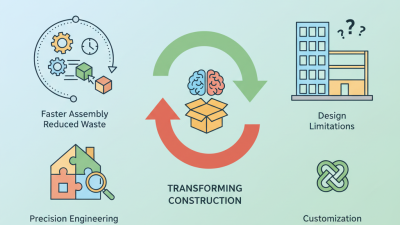
This method involves manufacturing building components off-site. These components are then transported and assembled at the final location. This process can streamline workflow and minimize on-site labor needs. Pre fab construction also offers more predictable timelines and often results in fewer waste products. However, challenges remain. Not all designs can be prefabricated, and transportation logistics can complicate the process. Despite these hurdles, the benefits of pre fab building are compelling.
Emerging technologies like modular construction are reshaping the landscape. As companies seek to improve efficiency, pre fab methods are gaining traction. For many, this shift represents an opportunity for sustainable practices. The report emphasizes that new materials and designs will continue to evolve in the prefab industry. The evolution of pre fab building promises a future in construction that is both innovative and efficient.
What is Pre Fab Building? A Comprehensive Overview
Prefabricated building, often called pre fab building, is reshaping the construction industry. This method involves manufacturing building sections off-site before transporting them for assembly. According to a report from MarketsandMarkets, the global prefabricated building market is expected to reach $215 billion by 2027, reflecting a significant growth driven by efficiency and sustainability.
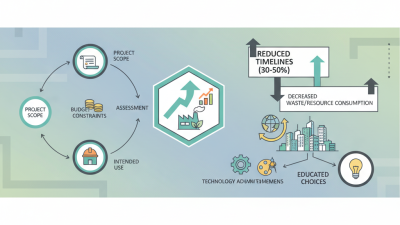
Pre fab buildings offer notable benefits. Construction time can be reduced by 30-50%, allowing projects to finish faster. The controlled environment of factories enhances quality and minimizes waste. The National Institute of Building Sciences reports that prefabrication can lead to a 15-20% reduction in overall costs. However, challenges exist. Site preparation needs to be precise, and delays in shipping can disrupt timelines. Effective project management becomes key.
The flexibility of pre fab design allows for various architectural styles. Builders can customize layouts while maintaining efficiency. Recent studies indicate that projects using prefabrication are less prone to budget overruns. Yet, some might hesitate due to a perceived lack of creativity. Addressing these concerns helps in utilizing pre fab solutions effectively. As the industry evolves, embracing this method can lead to innovative building solutions.
Benefits of Pre-Fab Buildings
The Key Components of Pre Fab Construction Methods
Pre-fabricated (pre-fab) building methods are transforming construction. These techniques involve assembling components off-site. The process reduces on-site labor, saving time and cost. Key components of pre-fab construction include modules, panels, and structural elements. Each component is designed for quick assembly.
One essential feature is modular design. Each module serves a specific function. They can be combined in various ways to create diverse structures. This flexibility allows for custom designs that meet unique needs. It can be surprisingly efficient. Reducing waste is another benefit. Pre-fab techniques often create less debris compared to traditional methods.
Consider the materials used in pre-fab construction. Sustainable options are increasingly available. This can significantly lower overall carbon footprints. However, selection can be tricky. Not all materials are suitable for every climate or application. Assessment of local conditions is crucial. Make sure to evaluate all aspects thoroughly. Balancing cost, durability, and sustainability takes effort but can lead to rewarding results.
Advantages of Pre Fab Buildings for Homeowners and Businesses
Prefabricated buildings, or pre fab buildings, are revolutionizing construction for both homeowners and businesses. These structures are built off-site and assembled on location, often leading to quicker project completion. According to a report by McKinsey, using pre-fabrication can reduce overall construction time by 20-50%. This is particularly beneficial for businesses needing to establish facilities rapidly in competitive markets.
In addition to time savings, pre fab buildings offer significant cost advantages. A study by the National Institute of Building Sciences highlights that pre-fabrication can lead to a 10-30% reduction in project costs. This financial efficiency is appealing, especially for first-time homeowners and small businesses facing tight budgets. Moreover, the controlled environment of factories minimizes material waste, contributing to more sustainable building practices.
However, some challenges arise with pre-fabricated structures. Limited customization can pose issues for clients seeking unique designs. Additionally, ensuring quality control during the manufacturing process is vital. Companies must establish rigorous standards to avoid defects upon installation. Despite these concerns, the potential benefits for time and cost efficiencies undeniably make pre fab buildings a compelling option in today’s construction landscape.
Cost Considerations and Financial Benefits of Prefabrication
Prefabrication significantly impacts construction costs and timelines. A report from McKinsey & Company highlights that prefabrication can reduce costs by 10 to 20 percent. This efficiency stems from streamlined assembly processes and reduced on-site labor days. Additionally, construction boring schedules often lead to unexpected expenses. Prefab techniques mitigate these risks by enabling earlier project timelines, leading to faster returns on investment.
While many view prefabrication as a one-size-fits-all solution, it is essential to assess individual project needs. Some projects may face challenges with site integration or design adaptability. Addressing these issues is crucial for maximizing financial benefits. A report from the National Institute of Standards and Technology indicates that offsite construction can increase productivity by up to 30 percent, emphasizing the importance of planning.
Investing in prefabrication also comes with potential upfront costs. Initial expenses may be higher due to advanced manufacturing technologies. However, the long-term savings often outweigh these early investments. The increased efficiency can translate into lower overall project costs and quicker completion times. Understanding the balance between upfront costs and long-term savings is key to leveraging this building method effectively.
Environmental Impact and Sustainability of Prefab Structures
Prefab buildings are gaining attention for their potential environmental benefits. Research indicates that these structures can reduce construction waste by up to 90%. This significant decrease comes from off-site manufacturing processes that allow for better resource management. Prefab construction minimizes excess materials, contributing to a lower carbon footprint. According to a 2022 study, conventional building methods contribute significantly to greenhouse gas emissions, while prefab techniques can reduce emissions by about 30%.
One major consideration is energy efficiency. Prefabricated structures typically have better insulation and energy systems. This efficiency can lead to savings on energy bills for homeowners and businesses alike. In fact, a recent report highlighted that prefab homes can save approximately 20-40% on energy consumption. However, not all prefab buildings are created equal. Materials and construction practices vary widely, and consumers must research options carefully.
Planning is essential. Proper site assessment helps in understanding local regulations and environmental impacts. Investing in quality prefab options may yield better long-term benefits. Sustainable prefab buildings present many opportunities but require thoughtful choices. It’s vital to weigh both initial costs and future savings. Consider visiting multiple sites and learning from existing projects to make informed decisions.