Why Choose Hdpe Cutting Board Material for Your Kitchen Needs?
When it comes to kitchen essentials, choosing the right materials is crucial. One standout option is Hdpe Cutting Board Material. This material has gained recognition for its durability and safety. Made from high-density polyethylene, HDPE cutting boards resist moisture and stains effectively. They provide a robust surface for various food preparations.
Professional chefs often recommend HDPE for its non-porous nature. This quality reduces the risk of bacteria buildup. The easy-to-clean feature makes it a favorite among home cooks too. After all, nobody enjoys scrubbing stubborn food residues. The vibrant colors of HDPE boards add an aesthetic touch to kitchen spaces. However, some might find them heavier than traditional wood boards. This can be a drawback in terms of portability.
Additionally, while HDPE is highly resilient, it does show signs of wear over time. Deep cuts and grooves can develop, affecting its performance. Regular assessments of your cutting board can help maintain its effectiveness. Choosing the right HDPE cutting board material is about balancing usability with upkeep. In a busy kitchen, it's essential to weigh these factors thoughtfully.
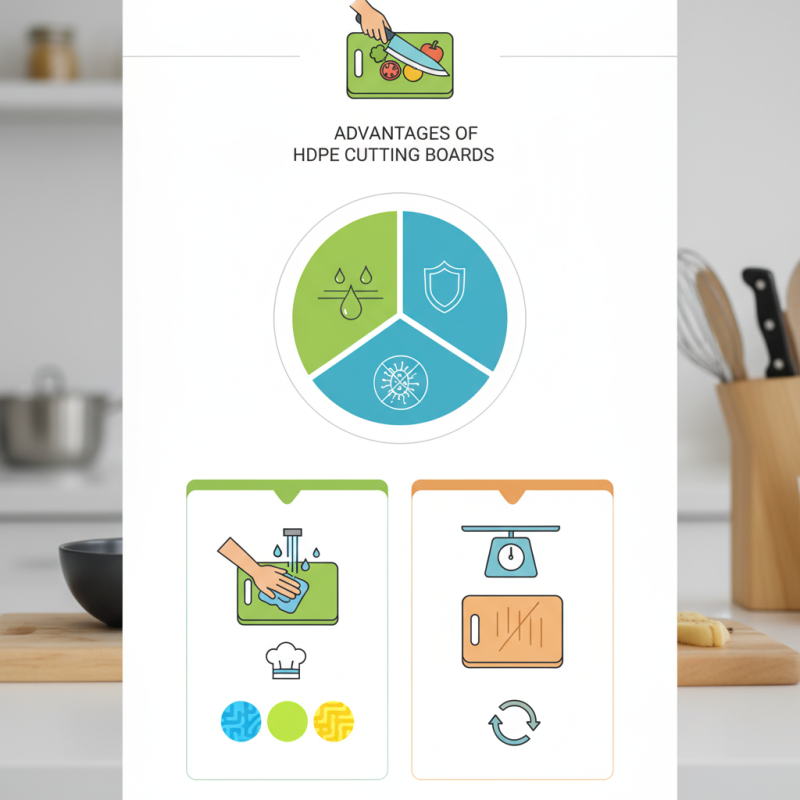
Advantages of HDPE Cutting Boards Over Other Materials
HDPE cutting boards offer numerous advantages that make them an ideal choice for your kitchen. This material is highly resistant to knife marks, which helps maintain a smoother surface over time. Unlike wood, HDPE does not harbor bacteria as easily. It can be effectively sanitized, ensuring a hygienic food preparation area. This feature is particularly crucial in reducing the risk of foodborne illnesses.
Another notable benefit of HDPE cutting boards is their durability. They can withstand high temperatures and extreme pressure without warping or cracking. This resilience means they will last longer than many other materials, saving you money in the long run. Additionally, they come in various colors and sizes, allowing for easy organization in your kitchen. You can designate different boards for meat, vegetables, and bread to avoid cross-contamination.
However, it is important to consider that HDPE boards can develop scratches over time. These scratches can potentially trap food particles if not properly cleaned. Regular maintenance is crucial for keeping them effective and hygienic. Despite this minor drawback, the overall reliability and practicality of HDPE cutting boards make them a popular option among chefs and home cooks alike.
Durability and Longevity of HDPE for Kitchen Use
When considering materials for kitchen use, HDPE (High-Density Polyethylene) stands out for its durability. This thermoplastic is known for its high resistance to impact and wear. It can withstand a broad temperature range, from freezing cold to high heat, making it a reliable choice for food preparation surfaces. According to a report from the American Society for Testing and Materials, HDPE can last for years without significant degradation, even in demanding kitchen environments.
The long lifespan of HDPE is further supported by data showing that it is less prone to scratches compared to wood or plastic alternatives. In professional kitchens, a cutting board made from HDPE can last up to a decade with regular care. This material does not absorb moisture, which helps prevent bacterial growth. The USDA considers HDPE a suitable material for food contact, as it is non-toxic and safe. However, one should still regularly inspect the surface for any deep cuts or grooves that could harbor bacteria.
Environmental factors also affect its longevity. While HDPE boards are durable, they can degrade over time if exposed to excessive sunlight or extreme chemicals. The recycling rates for HDPE are encouraging, with about 29% of this material being recycled in the U.S. This ensures that even at the end of its life cycle, HDPE minimizes waste, aligning with sustainability goals in modern kitchens. Choosing HDPE for kitchen use supports both durability and responsible consumption practices.
Safety Features of HDPE Cutting Boards
When it comes to kitchen safety, HDPE cutting boards stand out. They are made from high-density polyethylene, a material known for its non-porous surface. This characteristic makes HDPE cutting boards resistant to bacterial growth, a crucial factor in food safety. According to the USDA, plastic boards like HDPE can reduce the risk of contamination when used properly.
While they are safer than some alternatives, there are points to consider. Over time, cutting boards may show cuts and scratches, creating places where bacteria can hide. Regular inspection is vital, and damaged boards should be replaced. Experts recommend cleaning HDPE boards with hot, soapy water and sanitizing with a vinegar solution to enhance safety.
Tip: Regularly rotate between multiple boards for different food types. This prevents cross-contamination and keeps your kitchen safer. Another suggestion is to use separate boards for raw meat and vegetables. This simple change can greatly reduce your risk of foodborne illnesses.
Cleaning and Maintenance of HDPE Cutting Boards
When it comes to cleaning and maintaining HDPE cutting boards, the process is straightforward yet crucial. HDPE, or high-density polyethylene, is non-porous. This characteristic ensures that bacteria do not seep into the material. According to the USDA, plastic cutting boards, like those made from HDPE, are easier to sanitize than wooden boards. They can withstand a dishwasher's heat, making them both safe and efficient for regular cleaning.
To maintain the quality of your HDPE cutting boards, wash them in hot, soapy water, using a sponge or cloth. Avoid using abrasive pads that could scratch the surface. Regularly inspect your boards for deep cuts or grooves, which can harbor bacteria. If the board shows wear, it's time for replacement. Studies indicate that boards with numerous scratches can harbor bacteria, making proper maintenance vital.
Tips:
For daily care, rinse your board after each use. Make a habit of sanitizing with a mixture of vinegar and water. This natural solution helps eliminate odors and keeps your board fresh. Store your HDPE boards in a clean, dry area to avoid moisture buildup.
Environmental Considerations of HDPE Material in Kitchens
Using HDPE for cutting boards brings several environmental benefits. High-Density Polyethylene (HDPE) is recyclable, making it a sustainable choice. It can be repurposed into other products. This reduces plastic waste in landfills. Many consumers now prioritize eco-friendly materials. HDPE meets these demands well.
In the kitchen, HDPE cutting boards offer hygiene benefits. They are non-porous, meaning they resist bacteria buildup. However, there are sustainability concerns as plastic production still impacts nature. While HDPE is safer than some alternatives, it's essential to consider where the material comes from. Are the facilities using sustainable practices?
Choosing HDPE involves looking at the bigger picture. It is crucial to balance convenience and ecological impact. While HDPE is sturdy and long-lasting, the reliance on plastic remains a challenge. Reflecting on these points can lead to better decisions in kitchen supplies. Sustainable choices require continuous thought.
Why Choose Hdpe Cutting Board Material for Your Kitchen Needs? - Environmental Considerations of HDPE Material in Kitchens
| Attribute | HDPE Cutting Board | Environmental Impact | Comparative Option (Wood) |
| Material Composition | High-density polyethylene | Recyclable and non-toxic | Natural wood, may require sustainable sourcing |
| Durability | Highly durable, resistant to knife marks | Long-lasting, reduces waste | Less durable, prone to scratches and bacteria |
| Maintenance | Easy to clean, dishwasher safe | Less water consumption during cleaning | Requires oiling and special cleanings |
| Bacterial Resistance | Low bacteria retention | Promotes food safety | Allows bacteria build-up in cuts |
| Sustainability | Made from recycled materials, recyclable | Reduces environmental footprint | Deforestation concerns if not sourced sustainably |