
Top Tips for Sourcing Fiberboard Medium Density Board?

When sourcing Fiberboard Medium Density Board, understanding the intricacies is vital. This material has become popular due to its versatility and sustainability. Many manufacturers offer various quality levels, which can make the selection process challenging. What works for one project may not be suitable for another.

Identifying reliable suppliers is crucial. A reputable supplier should have a proven track record of providing high-quality Fiberboard Medium Density Board. Look for certifications and positive reviews that indicate reliability. Transparency in sourcing methods often reflects a company’s commitment to quality.

Moreover, be cautious about price fluctuations. Cheaper options might compromise on quality. An investment in quality fiberboard can save costs down the road, even if the initial price is higher. Ultimately, sourcing Fiberboard Medium Density Board requires careful consideration. Your choices can have lasting impacts on your projects, both good and bad.
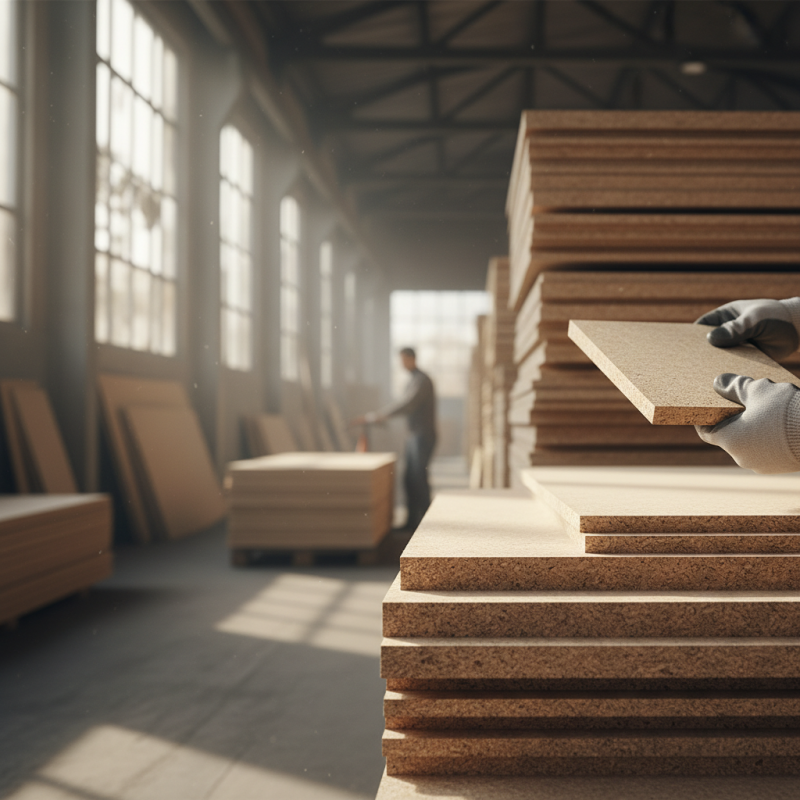
Top Tips for Sourcing Fiberboard Medium Density Board?

Understanding Medium Density Fiberboard (MDF) Properties and Applications

Medium Density Fiberboard (MDF) is a popular composite material known for its versatility and ease of use. Emerging as a leading choice in furniture and cabinetry, MDF boasts properties that set it apart. It is made from wood fibers combined with adhesives, creating a dense board that can be easily shaped and finished. With a density typically ranging from 600 to 800 kg/m³, MDF provides excellent strength while remaining lightweight. According to a report by the Wood Products Manufacturers Association, the global MDF market is projected to reach $16.3 billion by 2025, demonstrating its growing applications in construction and furniture design.

When sourcing MDF, it’s crucial to consider its applications. For instance, in cabinetry, its smooth surface allows for precise cutting and finishing. This makes it ideal for intricate designs. Furthermore, MDF's resistance to warping and splitting enhances its durability in various environments. However, potential buyers should reflect on the environmental impact. Some MDF boards contain formaldehyde, which affects air quality. Look for low-emission products certified by reputable organizations.

Tips: Always inquire about certifications when sourcing MDF. Ensure proper ventilation during installation to minimize exposure to harmful substances. Lastly, consider the board thickness required for your project; 18mm thickness is often suitable for most applications. These steps will lead to better sourcing decisions.

Key Factors Influencing Fiberboard Sourcing Decisions in the Industry

Sourcing fiberboard medium density board demands careful attention to material quality and supplier reliability. Fiberboards vary in density and moisture resistance, which directly impacts their application durability. Testing samples before bulk purchase helps identify defects such as delamination or uneven density. This hands-on step often reveals issues that might be overlooked in specifications alone.

Environmental standards also play a crucial role. Boards with low formaldehyde emissions are safer for indoor use and comply with increasing regulations. Checking supplier certifications and production methods adds confidence but can sometimes be misleading if audits lack depth. This inconsistency reminds buyers to combine official documents with real-world inspection.

Lead times and logistics affect project schedules significantly. Delays in fiberboard delivery create costly interruptions in manufacturing. Working with suppliers who communicate openly about possible setbacks helps manage expectations. This aspect of sourcing often challenges planners, highlighting the necessity to build flexibility and stronger partnerships.

Evaluating Quality Standards and Certifications for Fiberboard Products

When sourcing Fiberboard Medium Density Board (MDF), understanding quality standards and certifications is crucial. The International Organization for Standardization (ISO) provides well-regarded standards for MDF, such as ISO 3340. This standard assesses physical and mechanical properties, ensuring the board meets required strength and durability. Additionally, products that hold certifications like the Forest Stewardship Council (FSC) label indicate sustainable sourcing practices, addressing environmental concerns.

Consider the guidelines from the American National Standards Institute (ANSI), which also evaluates MDF through standard ANSI A208.2. This includes testing for formaldehyde emissions, which is key for indoor air quality. An MDF board should fit within the limits set by ANSI to reduce health risks. Checking for these certifications ensures that the product is reliable and meets consumer safety expectations.

Tip: Always ask suppliers for documentation proving their products meet these standards. Understanding the specifications will help prevent potential issues with performance or health concerns. Another important tip is to perform visual inspections for defects. Even boards with certifications might have quality control inconsistencies. Pay attention to surface smoothness and integrity—these are indicators of quality.

Cost Analysis of Fiberboard Materials and Market Trends in 2023

When considering the cost analysis of fiberboard medium density board (MDF), current market trends are crucial. The year 2023 has shown fluctuations in raw material prices. Supply chain issues and increased demand have affected costs significantly. As manufacturers innovate, pricing strategies become more dynamic.

Sourcing fiberboard requires careful planning. Understand your project's specific needs. Evaluate the quality versus price ratio. Comparing suppliers can reveal cost-effective solutions. Networking with industry professionals provides valuable insights.

Stay updated on market trends. Reports suggest that eco-friendly practices are gaining traction. Many consumers prefer sustainable options, which can draw higher prices. Balancing sustainability with cost is essential. Regularly revisiting your supplier relationships can ensure that you're receiving competitive rates. It's a constant reflection of your sourcing strategy that drives better pricing.

Cost Analysis of Fiberboard Medium Density Board in 2023

Sustainable Sourcing Practices for Environmentally Friendly Fiberboard

Sustainable sourcing practices for fiberboard medium density board have gained significant attention. Sourcing eco-friendly materials is not just a trend; it is essential for our planet. Many manufacturers are now exploring alternative fibers, such as bamboo or recycled wood. These materials use fewer resources, leading to less environmental impact.

It's crucial to evaluate suppliers based on their sustainability efforts. Certifications can indicate a commitment to responsible practices. However, some certifications can be misleading. Always dig deeper. Check their sourcing methods and the origin of their raw materials. This diligence fosters transparency and accountability.

Engaging in local sourcing can also minimize transportation emissions. Local suppliers often use less energy in distribution. Yet, reliability might vary. Sometimes quality can be inconsistent. Balancing eco-friendly choices with dependable supply is vital. Making informed decisions can lead to better outcomes for both business and the environment.