The residential construction sector is poised for significant growth as we approach 2026. According to a report by IBISWorld, the residential construction industry is projected to expand by 6.2% annually over the next five years. This growth will create a competitive landscape for residential construction contractors, demanding innovation and efficiency.
Top contractors will need to adapt to market trends. A focus on sustainable practices and smart home technologies is essential. Consumers increasingly seek eco-friendly solutions. The 2023 Home Builders Association survey indicates that 73% of homebuyers prioritize energy-efficient features. However, not all contractors embrace these changes equally.
Challenges exist, such as labor shortages and rising material costs. Reports from the National Association of Home Builders highlight these ongoing issues. Many residential construction contractors may struggle to keep pace with demand. Thus, identifying the most promising firms requires careful analysis. Only those who evolve will thrive in this dynamic environment.

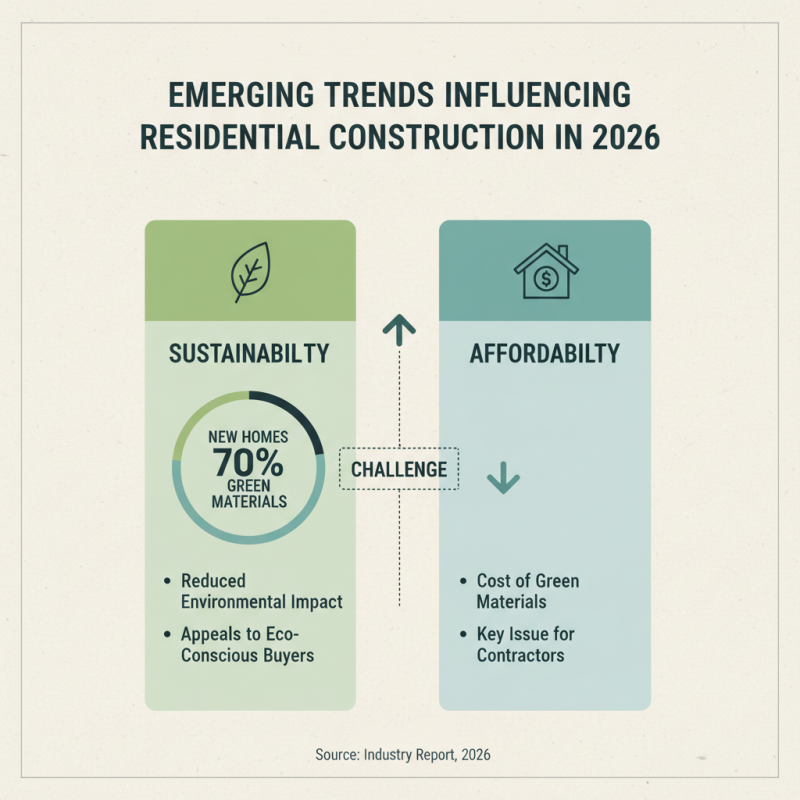
In 2026, the residential construction sector faces transformative trends. It's important to note the increasing emphasis on sustainable building practices. According to a recent industry report, nearly 70% of new homes are expected to incorporate green materials. This shift not only reduces environmental impact but also appeals to eco-conscious buyers. However, the cost of these materials often poses a challenge, making affordability a key issue for contractors.
Another notable trend is the integration of smart home technology. A study found that 55% of new homes will feature smart devices, enhancing convenience and energy efficiency. Yet, this trend raises concerns about cybersecurity risks and the potential for obsolescence. Builders must stay updated with technological advancements while ensuring safety for homeowners.
Lastly, the labor market remains a critical factor. A shortage of skilled labor has been reported by 58% of construction firms. This impacts timelines and costs, making planning essential. Contractors must adapt their workforce strategies to tackle this gap. Balancing innovation with practical realities will be key in navigating the residential construction landscape of 2026.
Choosing the right residential construction contractor can be daunting. Many factors play a crucial role in the selection process. One key aspect is experience. Contractors with a solid track record often have better problem-solving skills. They know how to tackle unexpected issues.
Communication skills also matter. A contractor who listens to your needs is essential. Clear communication ensures that your vision comes to life. Look for someone responsive to your inquiries. Their willingness to discuss details indicates professionalism.
**Tip:** Ask for references from previous clients. This provides insight into the contractor’s work quality and reliability. Don’t hesitate to follow up with past clients to gauge their satisfaction.
Another important factor is the contractor’s financial stability. It's essential to know they can complete your project without running into funding issues. Additionally, a well-structured project timeline can be a good indicator of their planning capabilities.
**Tip:** Confirm if the contractor has appropriate licenses and insurance. This protects you from potential liabilities. Remember, cutting corners can lead to regrets later.
Consider these elements carefully. The right contractor can bring your dream home to reality. But overlooking crucial details might lead to complications. Choose wisely.
| Contractor Location | Years in Business | Specialization | Project Size (Average) | Customer Satisfaction Rating |
|---|---|---|---|---|
| California | 15 | Luxury Homes | $1.2 Million | 4.8/5 |
| Texas | 10 | Green Building | $800,000 | 4.6/5 |
| Florida | 20 | Family Homes | $500,000 | 4.7/5 |
| New York | 12 | Modern Apartments | $950,000 | 4.5/5 |
| Illinois | 8 | Custom Homes | $650,000 | 4.4/5 |
In the ever-evolving landscape of residential construction, certain contractors stand out. As we approach 2026, industry reports forecast a significant growth trajectory. The U.S. residential construction market is projected to reach a staggering $975 billion by 2026, driven by increased demand for housing and innovative building methods.
Notable contractors are leveraging technology to streamline their processes. Many are adopting Building Information Modeling (BIM), which enhances design accuracy. Data shows that projects utilizing BIM can reduce errors by up to 30%. This efficiency is crucial in a market where delays can lead to significant financial losses.
Tips: Focus on contractors who prioritize sustainable materials. According to a recent survey, 68% of homeowners prefer green building practices. Transparency in pricing is also vital. Many consumers feel uncertain about hidden costs, so clarity in estimates can build trust and loyalty. Consider the contractor's ability to adapt. The best will pivot as market needs evolve.
Watch for those maintaining strong relationships with suppliers. The cost of materials has been volatile. Contractors with solid partnerships can better manage these fluctuations. However, not all will adapt effectively. Potential risks arise when contractors ignore market shifts. Keeping an eye on those who innovate is essential.
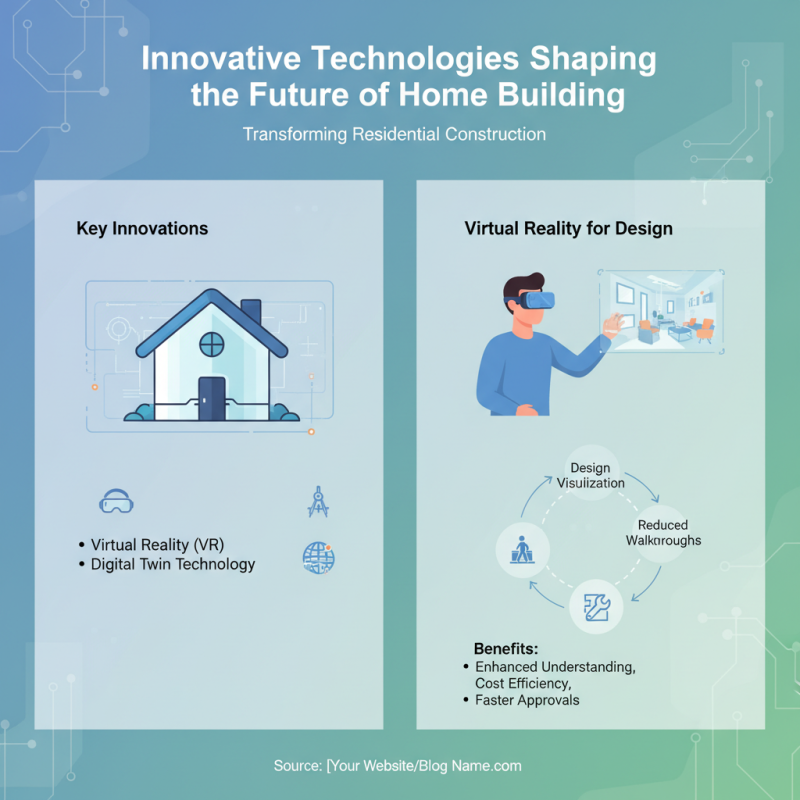
Innovative technologies are transforming the residential construction industry. Virtual reality (VR) is increasingly used for design visualization. Homebuyers can walk through spaces before construction begins. This technology enhances understanding and reduces revisions.
In 2021, a report indicated that 67% of companies using VR reported improved client satisfaction. However, this technology requires high initial investment. Not every contractor can afford such advancements. The potential for mistakes still exists. Misjudging client needs can lead to costly adjustments down the line.
Another significant trend is the use of sustainable materials. The demand for eco-friendly homes is on the rise. A study found that 75% of homebuyers prefer energy-efficient features. While this is positive, sourcing sustainable materials can be challenging. Not all options are affordable or widely available. Balancing cost and sustainability remains a hurdle for many contractors.
In 2026, many residential construction contractors are embracing sustainability. This shift reflects a growing awareness of environmental issues. These contractors are integrating eco-friendly materials into their projects. For example, they use recycled steel and renewable wood sources. This not only reduces waste but also lowers carbon footprints.
However, challenges remain. Some contractors struggle with sourcing sustainable materials at scale. Others find it difficult to balance cost with eco-friendly choices. Additionally, there is often resistance from clients who prioritize price over sustainability. Despite these hurdles, many companies are determined to redefine their practices.
Green building practices are becoming standard. Contractors are incorporating energy-efficient systems and smart home technologies. These innovations enhance the living experience and conserve resources. The path to sustainability is not without obstacles, yet it is a journey worth taking. Implementing these changes requires ongoing reflection and adaptation.