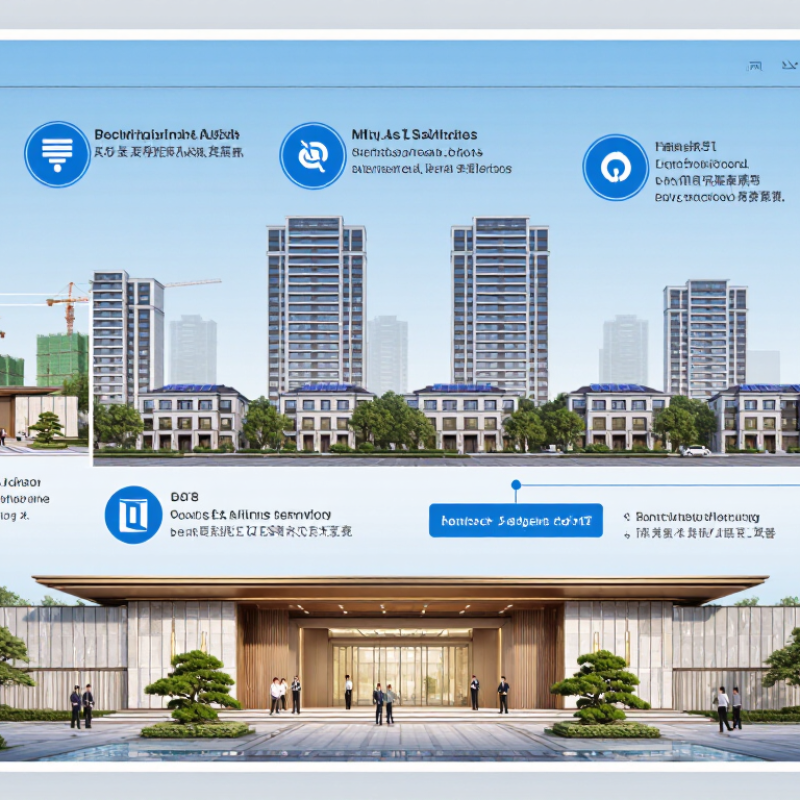
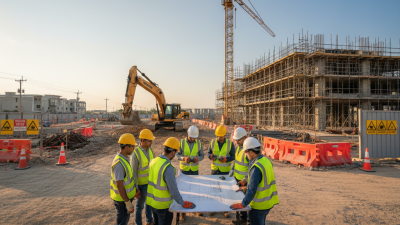
Choosing a home in China requires more than comparing glossy brochures and impressive project gates. This guide examines leading residential construction companies through a buyer-focused lens, considering build quality, delivery records, design capability, financial transparency, and after-sales support. The aim is practical. Buyers need evidence they can verify, not promises they must simply trust.
Experience matters when evaluating a developer’s completed communities. A finished apartment block reveals more than a computer rendering. Look for consistent tile work, functioning lifts, clean shared corridors, reliable water systems, and responsive property management. Professional analysis also considers construction materials, project timelines, sustainability measures, and the company’s communication during delays. Details matter. Public filings, official project information, independent reviews, and site visits can strengthen the assessment.
No company performs perfectly across every city or project type. Markets change. A developer with strong high-rise experience may offer less confidence in suburban housing or premium villas. Rankings can also shift as ownership structures, financing conditions, and local regulations develop. This guide therefore avoids treating reputation as a guarantee. It encourages buyers to compare completed work, inspect contracts carefully, confirm handover standards, and seek qualified local advice before making commitments.
The companies discussed here are presented for their visible capabilities and market relevance, not as automatic recommendations. Reliable decisions require patience, documented facts, and realistic expectations. Residential construction is a long-term purchase, and small details may shape daily life for decades.
China’s residential construction market now demands careful judgment from homebuyers. In 2024, the National Bureau of Statistics reported a 10.6% fall in real estate development investment. Commercial housing sales floor area also declined 12.9%. These figures show softer demand and tighter project conditions. That changes the purchase.
For buyers, construction companies matter beyond exterior design. A reliable contractor should demonstrate completed delivery records, clear financing arrangements, and transparent quality controls. Check concrete protection, waterproofing, insulation, elevators, and fire systems during site visits. The Ministry of Housing and Urban-Rural Development continues promoting higher-quality housing and better building performance. Energy efficiency is becoming a practical cost issue, not merely a planning slogan. The International Energy Agency notes that buildings remain a major source of global energy demand. Better insulation can reduce future household expenses.
Still, a ranking is never enough. Public data may show sales, investment, or delivery figures, but it cannot reveal every cracked tile or delayed repair. Buyers should compare inspection records, warranty terms, property-management arrangements, and local completion evidence. Ask for documents. Keep written answers. Some projects look convincing on paper, yet neighborhood conditions may disappoint. China’s urbanization rate reached 67.00% at the end of 2024, according to the National Bureau of Statistics, sustaining long-term housing needs while making location and construction quality increasingly important.
How to Identify Leading Residential Construction Companies in China
Reliable evaluation begins with evidence, not impressive advertisements. Check the company’s registration, construction qualifications, insurance, and record of completed residential projects. Ask for addresses, handover dates, and permission to contact previous buyers. Visit at least one finished development and inspect walls, drainage, windows, lifts, and shared spaces. Visit the site. Details matter more.
A capable contractor should explain local building codes, soil conditions, fire protection, energy standards, and inspection procedures clearly. Request a detailed schedule showing foundation work, structural completion, interior installation, and final testing. Independent architects or structural engineers can review drawings and material specifications. Compare contract terms carefully, including payment stages, defect repairs, delay responsibilities, and warranty coverage. Promises are cheap. Written evidence is stronger.
Financial stability also matters. Review recent project activity, supplier relationships, staffing levels, and publicly available legal records. A company managing several sites may still struggle with cash flow or supervision. I have learned that a polished showroom can hide weak workmanship behind temporary finishes. That possibility deserves attention. Speak with site managers, not only sales staff. Observe whether workers use protective equipment and whether materials match approved samples. Leading companies usually welcome practical questions, record changes formally, and provide realistic answers when problems appear. Hesitation is not proof of failure, but unexplained answers should slow the decision.
Top Residential Construction Companies in China for Buyers
Major residential builders in China offer more than completed apartments. Their services often cover land planning, architectural design, construction, interior finishing, and post-handover repairs. Buyers may choose high-rise communities, garden apartments, townhouses, or mixed-use developments near transport hubs. Some projects include schools, clinics, underground parking, landscaped courtyards, and small retail streets. Ask for the construction schedule. It reveals more than polished brochures.
Experienced builders usually provide mortgage coordination, payment plans, title documentation support, and property management after delivery. Some also offer layout changes, upgraded kitchens, energy-saving windows, or furnished units. Buyers should inspect sample apartments carefully. Check window seals, floor levels, drainage, wall corners, and daytime noise. A well-designed lobby cannot compensate for weak ventilation. Independent inspection remains useful, even when the developer has strong credentials and a long delivery record.
Sustainable housing is becoming more practical. New projects may use rooftop solar panels, rainwater collection, smart meters, and charging spaces for electric vehicles. These features sound impressive, but maintenance costs need clear explanation. Construction delays can still happen. Materials may differ between the show unit and the delivered home. Reliable companies publish specifications, warranty periods, community fees, and defect-reporting procedures in writing. Buyers should compare several developments, visit completed projects, and speak with residents about repairs, elevators, heating, and actual management response times.
Urbanization growth is a key indicator of long-term housing demand and the development of residential projects, including new homes, community facilities, and property services.
Measured by the share of China's permanent population living in urban areas. Source: National Bureau of Statistics of China, annual national economic and social development data.
Top Residential Construction Companies in China for Buyers should be compared through quality, pricing, location, and buyer support, not advertising alone.
The National Bureau of Statistics reported that China’s real-estate development investment fell 10.6% in 2024. This pressure makes transparent pricing especially important. Buyers should request itemized costs for structure, finishes, parking, maintenance, and future repairs. A low headline price may hide expensive upgrades.
Quality checks should include waterproofing records, concrete testing, elevator maintenance, fire-safety approvals, and independent snagging before handover. Look closely at bathrooms, window seals, balcony drainage, and basement moisture. Small defects become costly later.
The China Statistical Yearbook 2024 recorded an urbanization rate of 66.16% for 2023, supporting continued demand in well-connected urban areas. Yet location quality differs sharply. Compare transport access, schools, hospitals, employment centers, flood exposure, and actual neighborhood occupancy. A distant project can appear affordable but create daily travel costs.
Buyer support deserves equal weight.
Reliable builders provide bilingual contracts, documented handover procedures, warranty response times, and a local service desk. Ask how complaints are logged and escalated. Keep every promise in writing.
My comparison method is not perfect; public data can lag, and sample apartments may look better than completed buildings. Independent inspections and conversations with existing owners can expose that gap. In practice, the strongest choice balances construction evidence, total cost, livability, and responsive after-sales service.
A strong construction record does not remove legal risk for Chinese homebuyers. The National Bureau of Statistics reported that national residential sales value fell 17.1% in 2024. Market pressure can affect delivery schedules and cash flow. Buyers should examine the project, not only its sales office.
Check the developer’s business registration, land-use certificate, planning approval, construction permit, and commercial housing pre-sale permit. Ask whether the unit or land carries a mortgage, seizure order, or other restriction. The contract should state the completion date, usable area, shared-area calculation, delivery standards, and delay remedies. Verify payment instructions carefully. Official escrow arrangements may reduce exposure, but they do not replace contract review. Local rules can also limit purchases by household status, residence, or previous ownership.
Tips: Use an independent Chinese property lawyer. Request written answers. Keep every brochure, chat record, receipt, and inspection photo. Confirm the seller’s account matches the approved payment channel. Never rely on a verbal promise.
The Ministry of Housing and Urban-Rural Development has repeatedly emphasized pre-sale fund supervision. Yet enforcement and procedures can differ between cities. That detail matters. Before signing, compare the registration information with government records and ask a surveyor to measure the apartment. I would not treat a polished showroom as evidence of legal security. A clean folder helps, but it is not proof that every risk has disappeared.
| Evaluation Dimension | What Buyers Should Check | Reliable Documents or Sources | Recommended Buyer Action | Priority |
|---|---|---|---|---|
| Land-Use Rights | Confirm that the residential project is built on legally obtained state-owned construction land and that the approved land-use purpose is residential. | Land-use-right certificate or electronic registration record; approved land-use documents; information from the local natural-resources authority. | Match the project address, land-use purpose, developer details, and permitted term across all documents before paying a deposit. | Critical |
| Planning Approval | Verify that the building layout, floor count, use of facilities, parking areas, and public spaces comply with the approved construction plan. | Construction project planning permit; approved planning drawings; official public-notice information where available. | Compare the promised community facilities and apartment layout with the approved plan, rather than relying only on sales materials. | Critical |
| Construction Permit | Check whether the project has obtained the required construction permit before substantial construction activities begin. | Construction permit issued by the local housing and urban-rural development authority; official project-status records. | Request a copy or verifiable reference number and confirm that the permit covers the specific phase and buildings being sold. | Critical |
| Pre-Sale Authorization | For an uncompleted property, confirm that the specific building or unit has a valid commercial housing pre-sale permit. | Commercial housing pre-sale permit; local government housing-information platform; project sales disclosure board. | Verify the unit number, building number, permitted area, and validity period. Avoid paying into an account not identified in the official sales documentation. | Critical |
| Developer and Contractor Standing | Assess the project entity’s registration status, development qualifications, litigation exposure, enforcement records, and history of delayed delivery. | National enterprise registration information; court judgment and enforcement databases; local regulatory announcements; publicly disclosed project records. | Review the actual contracting entity and project company separately. A well-known group name does not replace checks on the entity signing the contract. | High |
| Ownership and Encumbrances | Determine whether the property or land is subject to a mortgage, seizure, judicial restriction, duplicate sale, or other disposal limitation. | Real-estate registration inquiry; mortgage-release evidence; court restriction information; written confirmation from the seller or project company. | Require clear contractual protection against transferring a unit with undisclosed encumbrances and confirm the release process before final payment. | Critical |
| Purchase Contract | Review the official commercial housing sale contract, supplemental agreement, delivery date, floor area, price, payment schedule, default remedies, and dispute-resolution clause. | Standard local commercial housing sale contract; supplemental agreement; written sales commitments; official project disclosures. | Do not sign blank pages or accept verbal promises. Record any promised facilities, finishes, parking rights, and compensation terms in signed documents. | Critical |
| Price and Payment Controls | Identify the total purchase price, taxes, maintenance reserve, parking charges, agency fees, decoration charges, and any price-adjustment mechanism. | Itemized quotation; payment notices; official payment account details; local pricing and tax guidance. | Use traceable bank payments to the designated account, retain receipts, and ensure every additional charge is documented and legally explained. | High |
| Mortgage and Financing | Check mortgage eligibility, interest-rate terms, down-payment requirements, valuation assumptions, approval timing, and consequences if financing is rejected. | Written terms from the lending institution; mortgage application documents; purchase-contract financing clause. | Obtain preliminary lending confirmation before committing to a non-refundable payment and negotiate a clear financing-failure provision. | High |
| Foreign-Buyer Compliance | Non-mainland buyers may face requirements concerning identity, lawful residence or work history, local purchase eligibility, foreign-exchange controls, and document notarization. | Current local housing-purchase policies; immigration or residence documents; foreign-exchange guidance; requirements from the local housing authority. | Confirm eligibility with the relevant local authority and bank before transferring funds. Rules can differ by city and may change over time. | Critical |
| Construction Quality | Assess structural safety, waterproofing, insulation, windows, plumbing, electrical systems, elevators, fire-safety equipment, and common-area workmanship. | Construction-quality inspection records; completion acceptance documents; technical specifications; professional inspection report. | Hire an independent qualified inspector before acceptance when possible and list defects in a signed handover record. | High |
| Completion and Handover | Confirm that the project has completed the required acceptance procedures and that the unit can be legally delivered for occupancy. | Completion acceptance filing or record; fire-safety acceptance or filing where applicable; residential quality warranty documents; handover notice. | Do not treat physical access or key collection as proof that all legal delivery requirements have been satisfied. | Critical |
| Area Measurement | Check the legally recognized floor area, shared-area allocation, usable area, balcony treatment, and adjustment procedure for measurement differences. | Official surveying report; registered measurement data; contract area schedule; property-registration information. | Compare the measured area with the contract and understand the price-refund or payment-adjustment rules before completing settlement. | High |
| Property Registration | Confirm the expected timing and conditions for obtaining the real-estate ownership certificate and whether the seller has fulfilled registration prerequisites. | Registration application records; land and building registration information; contract provisions on registration delay. | Include a specific registration deadline, seller cooperation duty, and compensation mechanism in the contract. | High |
| Property Management | Review the property-management provider, service scope, fee basis, parking management, repair responsibilities, and owners’ rights in selecting or changing management arrangements. | Property-management service agreement; fee-disclosure sheet; temporary management rules; owners’ meeting documents where applicable. | Clarify recurring fees and service standards, especially for vacant units, parking spaces, renovation management, and common-area maintenance. | Standard |
| Infrastructure and Public Services | Verify actual access to roads, water, electricity, gas, drainage, heating where applicable, telecommunications, schools, medical services, and public transport. | Municipal planning information; utility connection records; written statements from relevant service providers; approved project plans. | Distinguish legally approved facilities from marketing concepts, proposed infrastructure, or services located outside the project’s control. | High |
| Resale and Rental Restrictions | Check local purchase, resale, rental, qualification, and holding-period restrictions, including any restrictions linked to the unit type or location. | Current municipal housing policy; purchase-qualification notices; contract and registration records; local tax guidance. | Obtain current written policy information before purchase because restrictions may vary by city, district, household status, and property category. | High |
| Tax and Transaction Costs | Estimate deed tax, value-added-tax-related costs where relevant, individual-income-tax exposure on resale, registration fees, brokerage fees, and annual property charges. | Current tax notices from the national and local tax authorities; official fee schedules; written transaction quotation. | Request a complete cost estimate for both purchase and potential resale. Tax treatment may depend on residence status, holding period, area, and transaction type. | High |
| Dispute and Legal Support | Evaluate the availability of bilingual legal review, document translation, power-of-attorney controls, complaint channels, and local dispute-resolution procedures. | Engagement letter with a qualified lawyer; certified translations; notarized or authenticated authorization documents where required. | Have an independent legal professional review the contract before signing, particularly for cross-border purchases, delayed projects, or complex ownership structures. | Standard |