
The oil and gas industry relies heavily on efficient fluid control systems. Among these, tilting disk check valves play a crucial role. They ensure unidirectional flow while preventing backflow. Numerous suppliers have emerged globally, but the quality varies significantly.
According to a recent market report, the global oil and gas valve market is projected to reach $20 billion by 2027. This growth is driven by increased energy demand and the rise of renewable energy projects. An "Oil And Gas Tilting Disk Check Valve Supplier" must not only provide durable products but also adhere to strict regulatory standards. Quality assurance through proper design and materials is vital.
Selecting the right supplier is important. Companies often face challenges finding reliable partners. Many suppliers claim high performance, but real-world applications can differ. It’s prudent to base decisions on documented performance metrics and client testimonials. This approach ensures that the chosen supplier can meet specific operational needs.
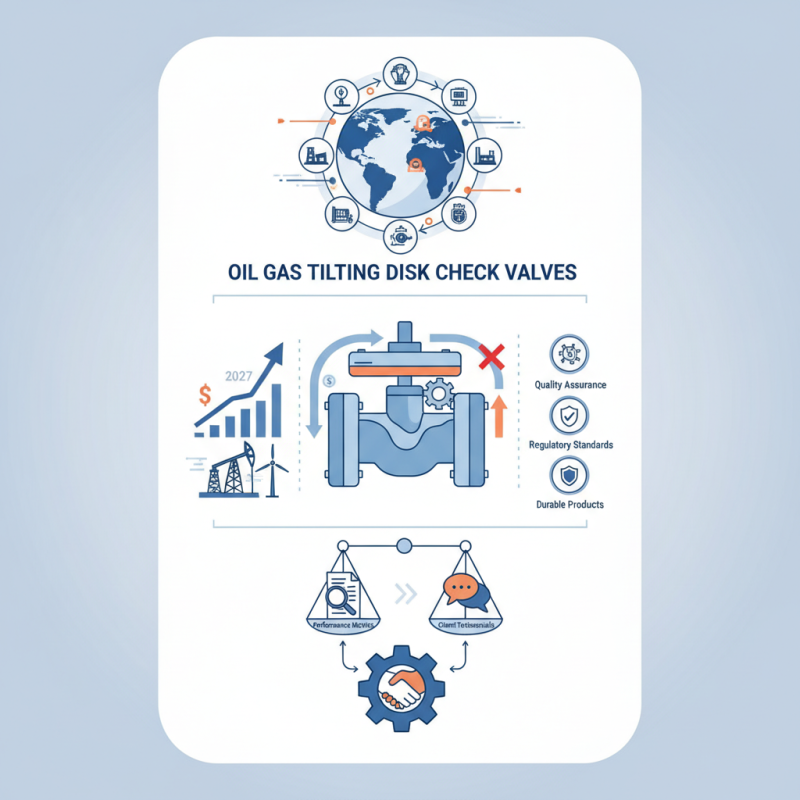
Tilting disk check valves play a crucial role in the oil and gas industry. These valves prevent backflow, ensuring smooth and safe fluid movement. They work by using a disk that tilts to allow flow in one direction and closes to stop reverse flow. This mechanism is essential in pipelines and refinery systems, where maintaining pressure is critical.
In recent years, the demand for reliable check valves has increased. The industry faces challenges, such as fluctuating pressures and aggressive media. Engineers must select valves that withstand these conditions. A sound understanding of valve specifications and materials is necessary. However, even the best designs can fail under extreme circumstances. Regular maintenance and inspections are essential to prevent costly downtimes.
Many users overlook the importance of valve sizing. An incorrectly sized valve can lead to inefficient operation and potential leaks. Furthermore, installation practices greatly influence valve performance. Skilled technicians are necessary to ensure correct alignment and function. Investing in training and quality assurance can mitigate risks. Ultimately, a proactive approach to maintenance can enhance operational reliability and safety in the oil and gas sector.
| Supplier Location | Market Share (%) | Annual Production (Units) | Key Application Areas |
|---|---|---|---|
| North America | 35 | 50000 | Oil Refineries, Natural Gas Distribution |
| Europe | 30 | 45000 | Petrochemical Plants, Offshore Production |
| Asia-Pacific | 25 | 40000 | Gas Processing, LNG Terminals |
| Middle East | 10 | 25000 | Crude Oil Pipelines, Water Injection Systems |
Tilting disk check valves are essential components in oil and gas applications. They ensure unidirectional flow, preventing backflow in pipelines. The unique design features a disc that tilts on a pivot, closing tightly against the seat when reverse flow occurs. This mechanism enhances reliability in various conditions, making it a preferred choice for many industries.
One key benefit is their efficiency in reducing pressure drop. This advantage leads to improved overall system performance. Additionally, tilting disk check valves can handle high flow rates effectively. The lightweight construction also allows for easier installation and maintenance. However, their performance can be influenced by flow velocity and media characteristics.
Choosing the right tilting disk check valve involves careful consideration. Factors like material compatibility and operating conditions play crucial roles. Users should assess the specific requirements of their applications. This reflection ensures that the selected valve contributes to operational safety and efficiency. Failure to address these aspects may lead to issues, underscoring the importance of expert guidance in the selection process.
The global oil and gas industry heavily relies on check valves for efficient operations. Among these, tilting disk check valves are vital for preventing backflow in pipelines. Reports estimate that the global check valve market will exceed $5 billion by 2026, with significant contributions from tilting disk variants. This highlights the growing demand for quality suppliers across various regions.
Leading suppliers of tilting disk check valves focus on advanced technology and material selection. Many manufacturers optimize designs to enhance durability and performance. For instance, the use of corrosion-resistant materials extends the lifespan of these valves. Additionally, efficient manufacturing processes can ensure consistent quality, but not all suppliers maintain these high standards. Some manufacturers struggle with production consistency, leading to variations in valve performance.
Furthermore, effective supply chain management is crucial in this market. Many suppliers face challenges meeting demand fluctuations. Inventory issues can arise, affecting project timelines. A few studies have noted that delays in valve shipments can impact overall project costs. This indicates room for improvement in logistics and supplier collaboration. So, while several suppliers excel, the industry must address these operational inefficiencies.
As the oil and gas sector evolves, the demand for efficient tilting disk check valves is increasing. These valves play a critical role in preventing backflow in piping systems. By 2026, the global market for these check valves is projected to reach $1.2 billion, reflecting a compound annual growth rate (CAGR) of 6.5%. This growth is driven by the rising investments in oil and gas exploration, alongside infrastructure development.
Market trends indicate an increasing focus on energy efficiency and sustainability. Innovative materials and advanced engineering solutions are being adopted. Companies are investing in upgrading products to enhance reliability. However, sourcing high-quality raw materials remains a challenge. Price volatility of steel is a concern for manufacturers, potentially impacting production costs. Additionally, supply chain disruptions, partly due to geopolitical factors, have become a significant hurdle for suppliers.
Furthermore, environmental regulations are reshaping the market landscape. These regulations encourage the development of more efficient valves that minimize leakage. The transition to greener technologies can present challenges but also opportunities for innovation. Stakeholders must continually assess how emerging trends will influence supply and demand dynamics in this crucial market area.
When selecting a check valve supplier, various evaluation criteria come into play. Quality, reliability, and compliance with industry standards stand out. A check valve must function properly under pressure. A well-designed tilting disk check valve minimizes backflow, enhancing efficiency in oil and gas systems. According to a recent market report, the global demand for check valves will reach over over $8 billion by 2025. This growth reflects the importance of reliable suppliers.
Another critical factor is supplier experience. Suppliers with a proven track record are often more reliable. Their expertise can help navigate complex procurement processes. A supplier’s ability to provide technical support and guidance is crucial. They should demonstrate familiarity with industry challenges and applications. A detailed inquiry into their past projects may reveal invaluable insights.
Tips: Always evaluate supplier certifications. Look for compliance with API, ASME, or other relevant standards. Transparency in communication can also indicate a trustworthy supplier. Finally, consider their responsiveness. A reliable supplier will understand the urgency of oil and gas operations. Choose wisely.
