
Top 5 Microinverter Solar Off Grid Solutions You Should Know?

The growing appeal of renewable energy has led many to explore microinverter solar off grid solutions. These systems provide independence from traditional power sources. They are especially beneficial in remote areas.

Microinverters convert solar energy into usable electricity at the panel level. This allows for efficient energy production. Users often notice enhanced performance under various conditions. However, the complexity of setting them up can be daunting.

While microinverter solar off grid systems offer advantages, challenges remain. Installation can be costly, and maintenance requires attention. Users should think critically about their energy needs before committing. Exploring the top five solutions can guide your decision-making process effectively.
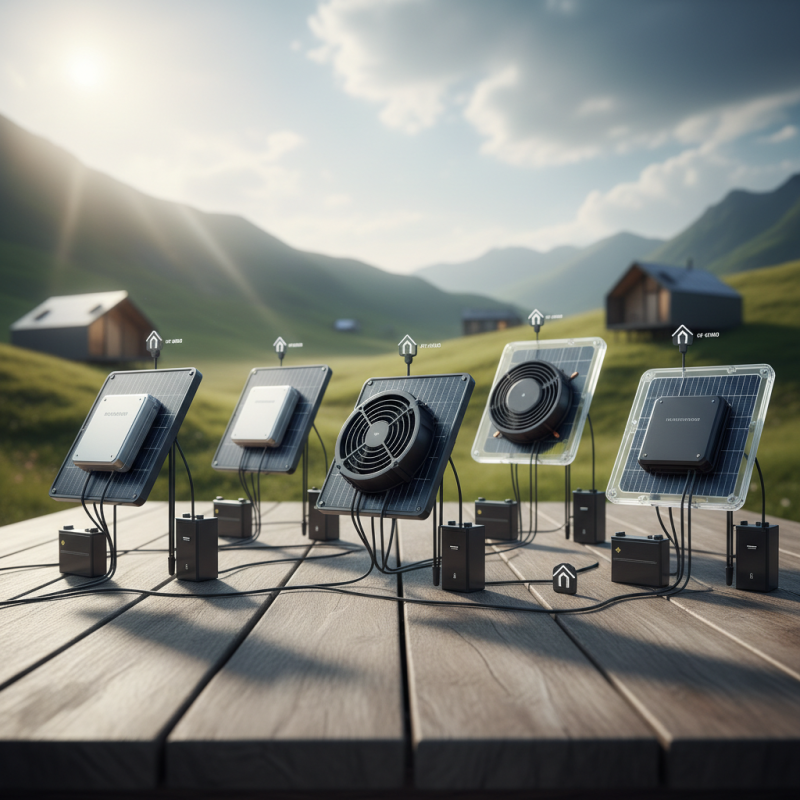
Top 5 Microinverter Solar Off Grid Solutions You Should Know?

Key Features of Microinverter Technology for Off-Grid Solar Systems

Microinverter technology has revolutionized off-grid solar systems. Unlike traditional inverters, microinverters are attached to each solar panel. This design allows for independent operation, maximizing energy harvest. When one panel is shaded or underperforming, the others remain unaffected. This feature is crucial in diverse environments where conditions are not always ideal.


Efficiency is a key advantage of microinverters. They convert direct current (DC) to alternating current (AC) at the panel level. This reduces energy losses during transmission. Additionally, most microinverters offer real-time monitoring. This allows users to track performance and troubleshoot issues quickly. Simple alerts can notify users about inefficiencies.


Despite these benefits, some challenges exist. Initial costs can deter potential users. Installation complexity may also raise concerns. It’s essential to consider these factors when choosing a system. While microinverters excel in many areas, potential buyers should weigh these aspects before making a decision.

Advantages of Choosing Microinverters Over Traditional Inverters

Microinverters are gaining popularity in solar energy solutions, especially for off-grid systems. One major advantage is their ability to optimize energy production. Unlike traditional inverters, microinverters work at the module level. This means each solar panel operates independently. A study from the National Renewable Energy Laboratory shows a potential energy yield increase of 20% with microinverters compared to string inverters.

Energy loss is a critical issue in solar installations. With traditional inverters, shading on one panel can reduce the entire system's output. Microinverters mitigate this problem. According to recent industry reports, systems using microinverters can better handle partial shading scenarios. This results in more consistent energy generation and improved efficiency, even under less-than-ideal conditions.

Cost considerations are always present. Though microinverters may have a higher upfront cost, their longevity offsets this. Many microinverters come with a 25-year warranty. This contrasts with traditional inverters that average around 10-15 years. Reviews suggest that the cost per watt over time is lower for microinverter systems, making them an attractive long-term investment despite initial expenses. Such factors warrant careful consideration when choosing solar solutions.

Top 5 Microinverter Brands for Off-Grid Solar Solutions

When considering off-grid solar solutions, microinverters play a significant role. These devices convert direct current from solar panels into usable alternating current. Their flexibility and efficiency make them ideal for off-grid systems. Users often find them easier to install, which saves time and labor costs. However, choosing the right brand can be challenging due to the variety available.

Several top microinverter brands stand out in the market. Each brand offers unique features that cater to different needs. For example, some models provide detailed monitoring options. Others might excel in efficiency or durability. Understanding these differences can greatly impact your solar setup's performance. Furthermore, customers should consider warranty terms. A product with a robust warranty can indicate reliability, but it’s vital to read the fine print.

Despite these advantages, not all microinverters are equal. Some may struggle in shaded conditions, affecting overall energy production. Users often need to evaluate their specific location and panel arrangement. With multiple factors to consider, thorough research is essential. Off-grid solar solutions can be rewarding, but clarity and careful selection are key.

Installation Considerations for Microinverters in Off-Grid Applications

When considering microinverters for off-grid installations, several factors come into play. Proper placement is key. Ensure that the microinverter is not shaded. Shaded panels produce less energy. This often leads to inconsistent power supply.

Temperature is another consideration. Microinverters can overheat in extreme conditions. Install in shaded or well-ventilated areas to avoid this issue. Monitor the environmental conditions regularly. Each climate can impact performance differently.

**Tip:** Check local regulations. Off-grid systems might have unique requirements. Compliance is essential for safety and reliability.

Ease of maintenance is often overlooked. Regular inspections are vital. Dust and debris can affect efficiency. Cleaning the panels should be part of your routine. Remember, neglect leads to bigger problems later.

**Tip:** Prepare for flexibility. Future upgrades may require repositioning equipment. Plan your layout accordingly to save time and money down the line.

Ultimately, understanding your specific off-grid needs can streamline the installation process. Embrace the learning experience that comes with managing an off-grid system. It’s all part of the journey.

Top 5 Microinverter Solar Off Grid Solutions You Should Know - Installation Considerations for Microinverters in Off-Grid Applications

Solution Name Power Output (Watts) Number of Panels Supported Efficiency (%) Installation Complexity
Microinverter A 250 4 95 Moderate
Microinverter B 300 6 96 Easy
Microinverter C 200 3 94 Complex
Microinverter D 350 8 97 Moderate
Microinverter E 275 5 95 Easy

Cost Analysis: Microinverters vs. Other Off-Grid Solar Solutions

When considering off-grid solar solutions, cost plays a pivotal role. Microinverters often stand out for several reasons. According to a recent report by the Solar Energy Industries Association (SEIA), microinverters have an upfront cost that can be 20% higher than traditional string inverters. However, they can boost energy production by 10% to 20%, especially in shaded environments. This factor is crucial for users with limited sunlight access.

On the other hand, traditional solar solutions, like string inverters, often come with lower initial costs. They may, however, lead to reduced efficiency in certain setups. A study from the National Renewable Energy Laboratory (NREL) highlighted that if one module in a string setup is underperforming, the entire system’s energy output can be compromised. This brings into question long-term reliability versus short-term savings.

Choosing between microinverters and other solutions might depend on specific energy needs and conditions. While microinverters offer superior performance in many cases, the initial investment could deter some users. Reflecting on these details can help in making an informed choice for off-grid solar systems.