Top 5 Interior Folding Door Manufacturers You Should Know?
When considering home renovations, the choice of an interior folding door can significantly impact both aesthetics and functionality. Modern designs offer space-saving solutions while enhancing the overall look of your rooms. Finding a reliable interior folding door manufacturer is crucial. With so many options available, it can be overwhelming. You want quality and style without breaking the bank.
Some manufacturers stand out for their craftsmanship and innovative designs. However, you might find that not all products meet your expectations. It is vital to read reviews and testimonials. Sometimes, even reputable brands may offer a product that doesn’t quite fit your needs. Asking for samples can help you make informed decisions about materials and finishes.
As you explore the market, consider the reputation of each interior folding door manufacturer. Some may specialize in eco-friendly materials or custom designs. Others might excel in affordability and ease of installation. Each choice presents its own set of pros and cons. Taking the time to research will pay off in the long run.
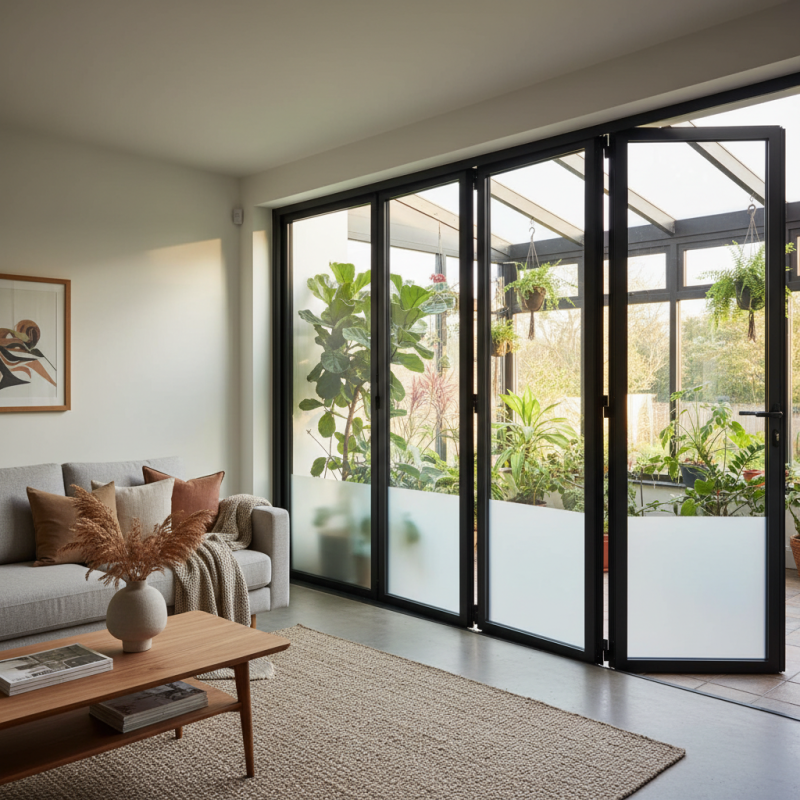
Overview of Interior Folding Doors and Their Benefits
Interior folding doors have become a popular choice for modern spaces. They offer flexibility and style while efficiently using space. These doors can easily open up a room or provide privacy when needed. They are particularly useful in smaller homes or apartments, where maximizing space is essential.
One of the benefits of interior folding doors is their aesthetic appeal. They come in various designs and materials, allowing for creative expression. However, homeowners sometimes overlook the need for proper maintenance. Regular upkeep ensures longevity and functionality. Investing in quality materials can mitigate issues but requires initial planning and consideration.
Another advantage is the natural light they can let in. When fully opened, they create an airy atmosphere. Yet, one downside is that they can be less effective at soundproofing compared to solid doors. This aspect might not be a deal-breaker for everyone, but it’s worth considering. Each space is unique, and choosing the right door involves balancing style, functionality, and personal preferences.
Criteria for Selecting Top Manufacturers of Interior Folding Doors
When selecting a manufacturer for interior folding doors, several factors come into play. Quality of materials is crucial. A report from the American Architectural Manufacturers Association indicates that 75% of consumers prioritize durability. Doors need to withstand frequent use, humidity, and varying temperatures. Choosing the right material can significantly impact longevity and performance.
Another important criterion is design flexibility. A survey by the Door and Hardware Institute shows that 68% of homebuilders prefer customizable options. Folding doors should complement diverse interior styles. They must also allow easy operation, ensuring user satisfaction. Accessibility cannot be overlooked; some designs may not suit all spaces or users.
Manufacturers should also focus on innovation. Modern folding doors often incorporate technology to enhance functionality. However, not all innovations align with user needs. Some designs, while trendy, may compromise practicality. Evaluating energy efficiency is also essential. Doors should not only look good but also help in energy conservation.
Top 5 Interior Folding Door Manufacturers You Should Know
| Manufacturer | Product Range | Material Options | Price Range | Warranty Period |
| Manufacturer A | Bi-fold, Multi-panel | Wood, MDF, Glass | $500 - $1500 | 10 years |
| Manufacturer B | Single Panel, Bi-fold | Aluminum, Glass | $300 - $1200 | 5 years |
| Manufacturer C | Multi-panel, Pocket Doors | Fiberglass, Wood | $600 - $1800 | 15 years |
| Manufacturer D | Sliding Doors, Bi-folding | PVC, Wood | $400 - $1300 | 7 years |
| Manufacturer E | Bi-folding, Custom Designs | Wood, Composite | $500 - $2000 | 20 years |
Detailed Profiles of the Top 5 Interior Folding Door Manufacturers
When considering interior folding doors, many manufacturers stand out. These companies offer a blend of quality and innovation. They provide various designs and materials to suit different tastes. Options range from sleek modern styles to more traditional appearances. Their products often emphasize space-saving solutions and functionality.
There are several key factors to think about. Look for durability in materials; some options wear down quickly. Costs can vary widely, so it’s wise to gauge your budget. Also, consider insulation properties. Not all folding doors provide the same level of sound and temperature control.
Tips: Always read reviews before purchasing. This feedback often reveals hidden issues. Check warranties, too; they can indicate manufacturer confidence in their products. Small details matter; even hinges can affect performance over time. Taking a closer look can save you from future regrets. A bit of research can go a long way in ensuring satisfaction.
Comparative Analysis of Design, Quality, and Pricing
In the world of interior folding doors, design, quality, and pricing are critical factors. A recent industry report revealed that 65% of homeowners prioritize aesthetics when choosing doors. These doors contribute significantly to the overall ambiance of a space. Different materials, such as solid wood or MDF, affect both the look and durability. For instance, solid wood offers a classic appearance but can be expensive.
Quality varies among manufacturers, often indicated by warranty periods and customer reviews. A study highlighted that 70% of consumers are dissatisfied with the longevity of their doors. Many foldable designs fail to meet durability expectations. Some doors warp or jam in high humidity areas. A reliable folding door should withstand daily use and fluctuating environmental conditions.
Pricing is another pivotal aspect. The average price range for folding doors is between $300 to $1,200, depending on materials and design complexity. A significant portion of the market, around 40%, opts for budget-friendly options. However, these cheaper alternatives may compromise on quality and design. It's essential for consumers to balance cost with functionality to avoid regrets. A poorly chosen door can lead to further expenses and frustration over time.
Customer Feedback and Industry Reputation of Top Manufacturers
When looking for interior folding doors, customer feedback plays a crucial role in decision-making. Many users share experiences on various platforms, helping potential buyers gauge a manufacturer's reliability. A consistent theme in reviews is the door’s ease of use. Customers appreciate smooth operations and minimal noise. Yet, some highlight issues like misalignment or difficulty with installation. Such feedback helps manufacturers improve their products.
Industry reputation also hinges on these reviews. Some manufacturers gain trust through superior quality and customer service. Word of mouth is powerful. If a customer is satisfied, they often recommend the product to friends or family. However, some manufacturers have faced backlash for poor support after sale. This can impact their standing in the market.
Consumer-driven innovation is becoming vital. Feedback loops allow manufacturers to refine offerings continually. They are now more responsive than ever. A suggestion for improvement could lead to design changes that enhance user experience. Engaging with customers can create a sense of community around a brand, but sometimes the dialogue feels one-sided. This reflection highlights the need for ongoing communication in the industry.