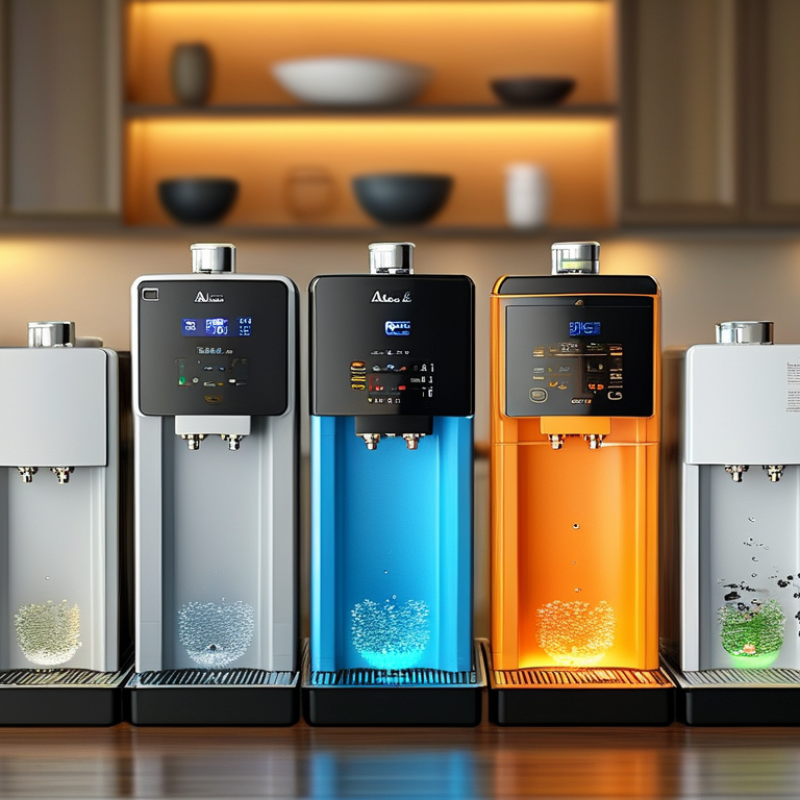
Top 5 Home Filter System Choices for Pure Water Solutions?
In today’s world, access to clean water is crucial. Many families are investing in Home Filter Systems to ensure their drinking water is free from contaminants. According to water filtration expert Dr. Emily Carter, “A good Home Filter System can drastically improve water quality and health.”
The variety of Home Filter Systems available can be overwhelming. Each system offers unique benefits, but not all are equally effective. Finding the right one requires understanding your needs. For instance, some systems address specific pollutants, while others provide overall purification.
While popular brands boast effectiveness, consumers need to remain critical. Not every Home Filter System is perfect. Look for certifications and user reviews to guide you. It’s essential to make informed choices, ensuring your family has access to pure water. After all, clean water is a fundamental right.
Understanding Home Water Filter Systems: An Overview
Home water filter systems are essential for ensuring the quality of drinking water. Understanding these systems is crucial for making the right choice for your home. Water filters vary widely in design and effectiveness. Some focus on chlorine removal, while others tackle sediment or heavy metals. Available filtration methods include activated carbon, reverse osmosis, and UV purification. Each has unique benefits and limitations.
Activated carbon filters provide effective taste and odor improvement. They capture many contaminants but may require frequent replacement. Reverse osmosis systems remove a significant portion of dissolved solids but can waste water during filtration. UV systems kill bacteria and viruses but do not eliminate chemical contaminants. Consider your water supply and specific needs when choosing a system. Research consumer reviews to learn about people’s experiences with different systems. This approach helps you gauge reliability and performance.
Selecting a suitable water filter system can be overwhelming. It's essential to balance effectiveness, maintenance costs, and initial investment. Always ensure the filters meet your region's quality standards. Evaluate the specific contaminants present in your water. Regular testing can provide insights into water quality. Reflect on your family's consumption habits and adapt your filter choice accordingly. Failing to do so may compromise health over time.
Key Factors to Consider When Choosing a Water Filter System
When selecting a home water filter system, several key factors are essential to consider. The type of contaminants in your water supply is crucial. Testing your water can provide insights into harmful substances. Once you know what's present, you can choose a filtration method that effectively targets those impurities. Different systems, such as reverse osmosis or activated carbon, serve various purposes. Understanding your needs will guide you toward an effective solution.
Another important aspect is the filter's capacity and lifespan. Some systems require frequent replacement, which can affect your budget. Consider how much filtered water your household consumes. It helps to choose a system that provides adequate supply without constant maintenance. Look for certifications from trusted organizations, as they ensure quality and safety. This validation adds a layer of assurance in making a decision.
Ease of installation and maintenance matters, too. Complicated setups can deter regular use. Simple, user-friendly systems often lead to better water quality habits. Pay attention to the warranty and customer support offered. These factors reflect the manufacturer's confidence in their product. Reflection on these elements can lead you toward an informed choice that meets your filtering needs.
Top 5 Home Filter System Choices for Pure Water Solutions
| Filter Type | Filtration Technology | Contaminants Removed | Filter Life (Months) | Price Range ($) |
| Reverse Osmosis | Membrane Filtration | Lead, Chlorine, Arsenic | 24 | 200 - 400 |
| Activated Carbon | Carbon Block/Granular | Chlorine, Sediments, VOCs | 6 - 12 | 50 - 150 |
| UV Purifiers | Ultraviolet Light | Bacteria, Viruses, Microorganisms | 12 | 100 - 300 |
| Whole House Filter | Multi-stage Filtration | Chlorine, Sediments, Hardness | 12 - 24 | 300 - 700 |
| Water Distillers | Steam Distillation | Heavy Metals, Chemicals | 36 | 100 - 250 |
Top 5 Home Filter System Options for Clean Drinking Water
When it comes to ensuring clean drinking water at home, the choice of a filtration system is crucial. Researchers from the Water Quality Association reveal that nearly 70% of United States households rely on water treatment systems. These systems significantly reduce contaminants, making tap water safer and more palatable. Among the various options, reverse osmosis, activated carbon filters, and UV purifiers stand out for their efficacy.
Reverse osmosis systems are renowned for their ability to eliminate up to 99% of harmful substances. This includes lead, chlorine, and other pollutants that can compromise health. Such systems utilize semi-permeable membranes to filter out impurities. According to the EPA, contaminants in drinking water can lead to significant health issues. Therefore, investing in a reliable filtration system is vital for well-being.
On the other hand, activated carbon filters are popular for their affordability and effectiveness against chlorine and volatile organic compounds (VOCs). They enhance water taste and odor, contributing to a better drinking experience. However, users must routinely replace cartridges to maintain performance. Neglecting this can lead to a compromised filtration process. Each system has its strengths and weaknesses, making it essential to evaluate individual needs when choosing the right filtration solution.
Comparative Analysis of Each Water Filter System’s Features
When selecting a home water filter system, understanding features is crucial. Many systems utilize multiple filtration stages to remove contaminants like chlorine, lead, and sediments. For instance, reverse osmosis systems often feature a semi-permeable membrane. This membrane effectively removes impurities by allowing only water molecules to pass through. However, the process can be slow and waste some water.
Another popular choice is activated carbon filters. They excel at improving taste and odor by trapping chemicals. While they are generally affordable, their effectiveness diminishes over time. Users must replace the filters regularly to maintain performance. Another consideration is the system's installation process. Some systems require minimal plumbing work, while others may need professional installation, which adds to the cost.
In addition to filtration, water purity testing can reveal lingering contaminants. It's important to reflect on your specific needs. Will you prioritize taste, removal efficiency, or maintenance effort? Each household has unique requirements.
Decisions based solely on marketing claims can lead to disappointment and inadequate water quality. Evaluating your water source and household usage can ultimately guide you to the best filter system.
Maintaining Your Home Water Filter System for Optimal Performance
Maintaining a home water filter system is vital for ensuring optimal performance and the purity of your drinking water. Regular maintenance can enhance the longevity of your system. A report from the Water Quality Association indicates that over 50% of home water filters are not regularly maintained. This can lead to inefficiencies and potential contaminants in the water supply.
Cleaning and replacing filters should be a routine task. Depending on the system, filters should generally be replaced every six months to a year. Neglecting this can result in reduced flow rates and contaminated water. Reports show that clogged filters can compromise water quality, exposing households to unwanted sediments and particles.
It is also crucial to inspect the system components regularly. Check for leaks, pressure issues, and any unusual noises. Addressing these problems early can prevent costly repairs later. Data suggests that routine inspections can save homeowners up to 30% in maintenance costs over time. Small actions today lead to safer drinking water tomorrow.
Top 5 Home Filter System Choices for Pure Water Solutions
This bar chart represents the average filtration efficiency of five popular home water filter systems. The data shows the percentage of contaminants removed for various systems, helping consumers to make informed choices for pure water solutions.