Top Building Technology Solutions for Global Buyers?

The evolution of building technology has reshaped the construction landscape. As we explore the top solutions for global buyers, insights from experts can guide decisions. John Smith, a leader in building technology innovation, states, "Effective building technology is not just about materials; it's about how we integrate them." His words capture the essence of today’s industry.

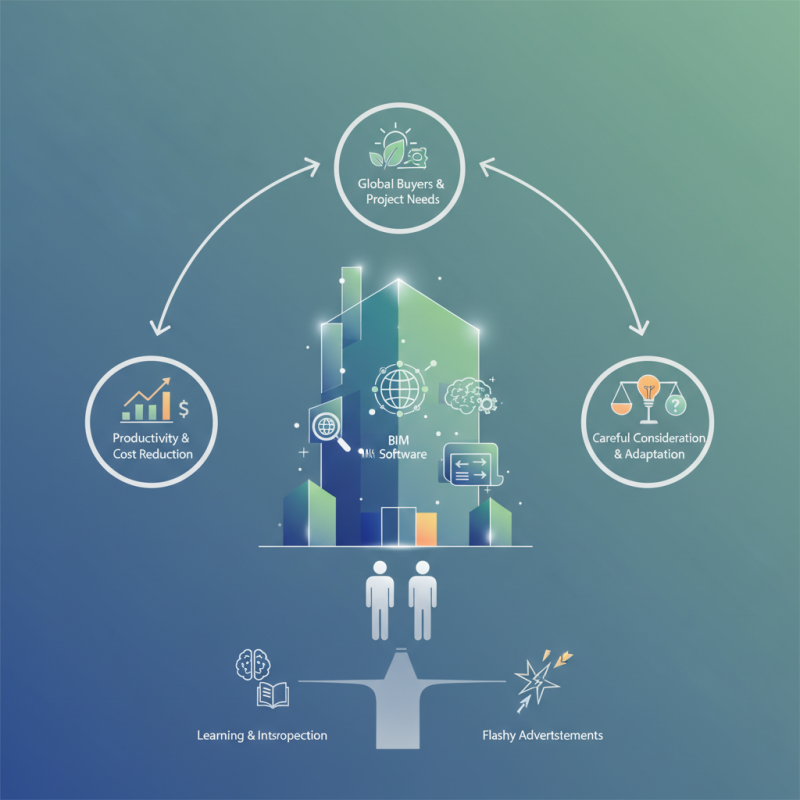
In an era where sustainability and efficiency are paramount, understanding these technologies is crucial. Innovations in smart materials, renewable energy integration, and BIM software transform traditional practices. However, challenges remain. Not every new technology suits all projects. Adopting the latest trends requires careful consideration and adaptation.

Global buyers are faced with myriad options. Each solution has its strengths and weaknesses. It’s vital to evaluate them based on project needs and goals. The right building technology can enhance productivity and reduce costs. Yet, one must be cautious of flashy advertisements promising instantaneous results. The path to effective building technology involves both learning and introspection.
Top Building Technology Solutions for Global Buyers?

Emerging Trends in Building Technology Solutions for Global Markets
Top Building Technology Solutions for Global Buyers?

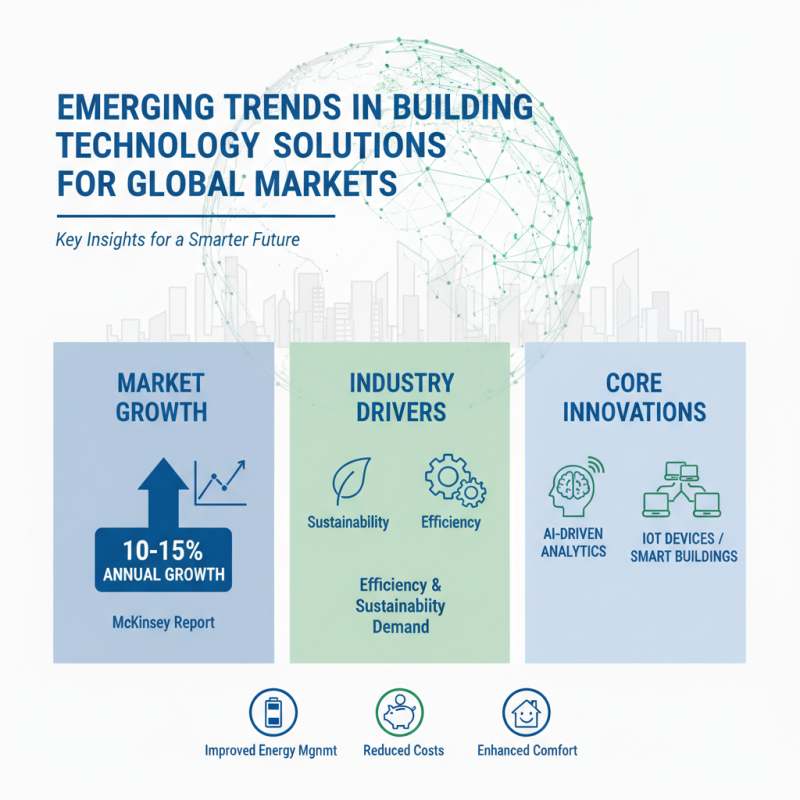
Emerging trends in building technology solutions are reshaping global markets. A recent report by McKinsey highlights a projected growth rate of 10-15% annually in construction technology. This rapid change reflects the industry's need for efficiency and sustainability. Smart building technologies, such as IoT devices and AI-driven analytics, are at the forefront. These innovations improve energy management, reduce costs, and enhance occupant comfort.

Moreover, modular construction is gaining traction. This approach can cut project timelines by up to 50%. According to a study from Deloitte, modular techniques lead to a significant decrease in waste, with some projects reducing material waste by 30%. As urbanization accelerates, these technologies are vital. They promise not just efficiency but also a responsive design suitable for diverse environments.

However, these advancements come with challenges. The integration of new technology necessitates a shift in skill sets across the workforce. Training and adaptation are crucial for success. The industry must also address cybersecurity risks related to smart technologies. Data breaches can undermine the benefits these solutions offer. Continuous evaluation of risks and benefits is essential to harness their full potential.
Impact of Smart Building Technologies on Energy Efficiency and Sustainability

Smart building technologies play a significant role in enhancing energy efficiency and promoting sustainability. These technologies enable real-time monitoring of energy consumption in a building. This data allows for better management of resources, reducing waste. For instance, automated lighting systems can adjust to occupancy levels, cutting down on unnecessary energy use.

However, the integration of smart technologies is not without challenges. The initial installation costs can be high, deterring some buyers. Furthermore, the complexity of these systems may confuse users, leading to underutilization. Maintenance and upgrades may also pose issues, as outdated technology can hinder efficiency.

Sustainability relies on a holistic approach. It's essential for users to understand how to maximize the benefits of smart technologies. Training and support can bridge the skills gap. Encouraging feedback from users can drive improvements. In the end, the role of smart technologies in achieving energy efficiency is clear. Yet, careful implementation is vital for realizing their full potential.

Leading Building Automation Systems and Their Market Adoption Rates

Top Building Technology Solutions for Global Buyers?

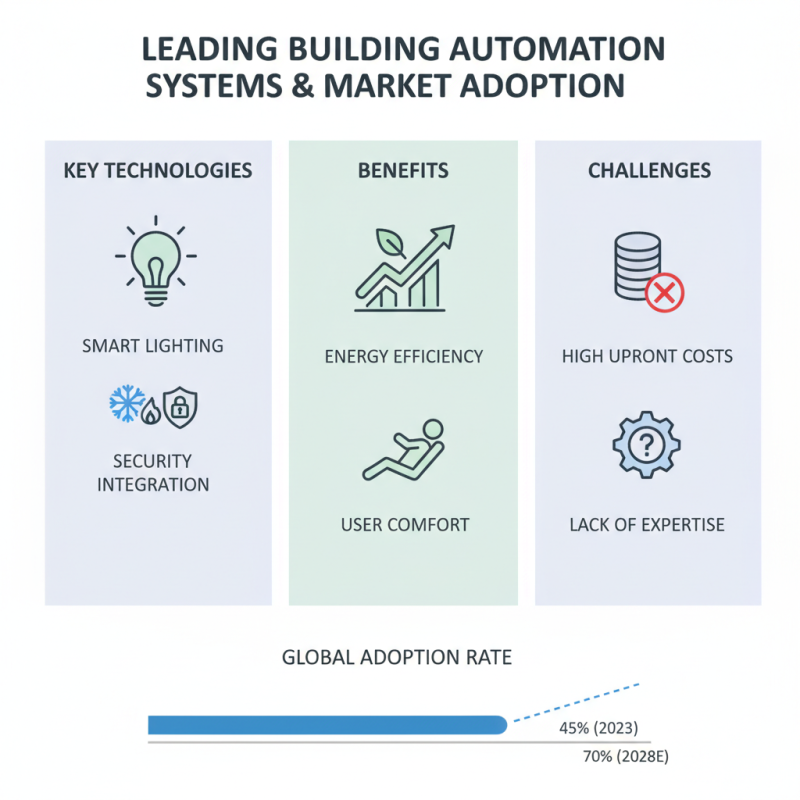
The building automation systems (BAS) are rapidly transforming the construction and management of facilities worldwide. Key technologies include smart lighting, HVAC control, and security integration. These systems enhance energy efficiency and elevate user comfort. However, many organizations struggle with market adoption due to high upfront costs and a lack of technical expertise.

Tips: Focus on training staff. A well-informed team can navigate these technologies better. Additionally, consider phased implementation. This approach reduces risk and allows for adjustments.

Market adoption rates vary. Factors such as region, industry, and organizational size play critical roles. Larger companies tend to adopt these systems faster. They have resources to invest in new technologies. However, smaller firms often lag behind. Their budget constraints can limit access to advanced solutions.

Tips: Break down costs. Calculate potential savings in energy and maintenance. This can help justify investments to stakeholders. Encourage collaboration among teams to share insights and best practices. This can lead to better decision-making and a smoother transition to automation.

Innovations in Prefabrication and Modular Construction Techniques

Prefabrication and modular construction techniques are revolutionizing the building industry. According to the Modular Building Institute, this sector has grown by over 25% annually in recent years. This rapid growth is driven by the need for faster construction times and increased efficiency in material usage. By using modular components, builders can reduce waste. Additionally, many projects can be completed in half the time of traditional methods.

Innovation in materials is also pivotal. New composite materials enhance durability while being lighter than traditional options. This change allows for designs that were previously considered impractical. However, challenges remain. Quality control in off-site construction is critical. Inconsistent workmanship can lead to structural issues later on. The importance of rigorous standards cannot be overstated.

While modular construction presents a range of advantages, it is not without its setbacks. Integration with existing infrastructure can be a hurdle. Many cities lack the proper zoning laws to embrace modular solutions. As construction innovation continues to advance, collaboration among industry stakeholders remains vital. Building a network of trustworthy partners can lead to breakthroughs that benefit everyone.

Adopting Green Building Materials: A Focus on Market Preferences and Benefits

In recent years, green building materials have gained significant traction among global buyers. A study by the Global Alliance for Sustainable Construction found that 75% of builders now prioritize sustainability in their projects. This trend reflects a growing awareness of environmental impact and energy efficiency. Collectively, these choices help reduce carbon footprints and enhance building performance.

Market preferences also indicate a shift towards eco-friendly materials. According to a report from the U.S. Green Building Council, over 40% of commercial buildings now use recycled content. Buyers increasingly favor products that promote indoor air quality and water efficiency. However, challenges remain. Some buyers struggle to balance initial costs with long-term benefits. It's essential to evaluate the lifecycle costs of materials rather than only their upfront price.

Investing in green materials can lead to significant savings over time. A study by McGraw Hill Construction noted that green buildings can yield up to a 20% reduction in operating costs. Yet, many stakeholders hesitate due to incomplete knowledge of available options. It is crucial for industry professionals to disseminate clear, actionable information about best practices in green construction. This awareness will ultimately drive wider adoption of sustainable practices in the building industry.

Adoption of Green Building Materials by Global Buyers