Top 10 Building Projects Every Global Buyer Should Know?

In today's dynamic real estate market, investing in building projects can be both exciting and daunting. Every global buyer must navigate various factors, including location, design, and market trends. Each building project offers unique opportunities and potential challenges.

Understanding the significance of these projects is crucial for informed decisions. Some areas may experience rapid growth, while others may not yield expected returns. Awareness of local regulations and cultural context can also impact success.

As global buyers explore these top building projects, it is essential to stay updated with current developments. Observation of past successes and failures can offer valuable insights. This knowledge can shape strategies to maximize investments and minimize risks in a competitive landscape.
Top 10 Building Projects Every Global Buyer Should Know?

Top 10 Iconic Skyscrapers Transforming Global City Skylines

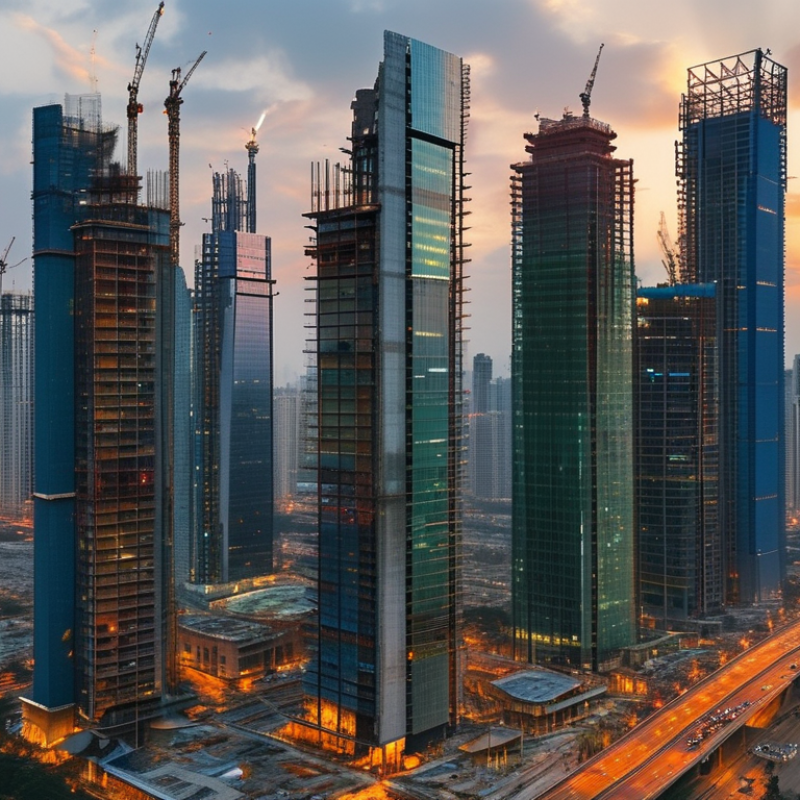
The global skyline is constantly evolving. Iconic skyscrapers play a crucial role in this transformation. According to the Council on Tall Buildings and Urban Habitat, over 200 skyscrapers above 200 meters are currently under construction worldwide. These structures not only symbolize architectural advancement but also highlight the growing demand for urban space.

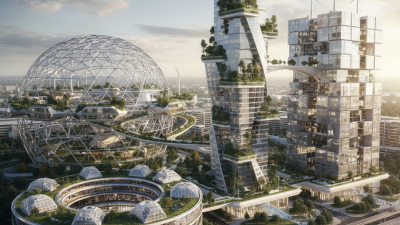
One notable trend is the use of green building materials. Skyscrapers like the Bosco Verticale in Milan showcase vertical forests, which improve air quality. Reports indicate that biophilic designs could increase productivity by 15% in office spaces. Yet, while this innovation is promising, it raises concerns about maintenance costs and sustainability over time.

Moreover, large cities often face challenges with infrastructure. The Burj Khalifa in Dubai, for instance, pushed the limits of engineering. While it stands tall, lessons from its construction emphasize the need for a resilient urban framework. Urban planners must reflect on these issues when designing future skyscrapers. How will we balance growth with environmental responsibility?

Impact of Sustainable Building Practices on International Buyers

Sustainable building practices have a significant impact on international buyers. According to a 2022 report by the Global Sustainability Institute, 73% of global investors prioritize sustainability in their purchasing decisions. This shift towards eco-friendly construction is reshaping the real estate market. International buyers are increasingly aware of the benefits of green buildings, such as lower energy costs and improved health outcomes.

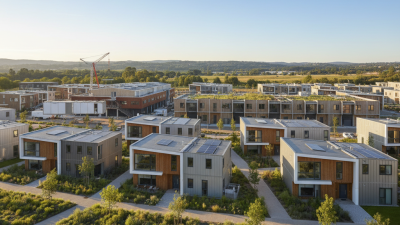
Cities like Amsterdam and Copenhagen showcase how sustainable practices can attract global investments. These cities implement green roofs, energy-efficient systems, and sustainable materials. Reports indicate that properties with sustainable features can achieve up to a 30% higher valuation compared to traditional buildings. Such data highlights the importance buyers place on sustainability today.

However, not all sustainable projects are flawless. Some buyers have faced challenges in construction quality and regulatory compliance. The fast pace of green technology can lead to inconsistencies. These issues remind buyers to conduct thorough due diligence. As a result, navigating the sustainable building landscape requires careful consideration and expertise.

Key Economic Indicators Influencing Global Real Estate Investments

Global real estate investments are highly influenced by several key economic indicators. Understanding these factors is crucial for potential investors. For instance, interest rates significantly impact property financing. As of late 2023, the average global mortgage rate hovered around 4.5%. This rate can deter buyers from making purchases, affecting overall market demand.

Another critical indicator is employment statistics. In many regions, job growth stimulates housing demand. A report from the International Labor Organization indicates that global employment increased by 1.9% in 2023. Increased employment leads to higher consumer confidence and investment in properties.

Additionally, inflation affects purchasing power and property values. The World Bank's latest report showed that global inflation rates peaked at around 6.7% last year. This high inflation can deter investments as it erodes savings and diminishes affordability. Investors must remain vigilant about these indicators, adapting their strategies accordingly.

Top 10 Building Projects Every Global Buyer Should Know

Project Name Location Type Estimated Cost (in Billion USD) Completion Year Key Economic Indicator
The Line Saudi Arabia Mixed-use 1.2 2030 Sustainable development
Moscow International Business Center Moscow, Russia Commercial 12.0 2023 Investment growth
Forest City Johor, Malaysia Residential 100.0 2035 Cross-border investment
City of the Future Egypt Mixed-use 45.0 2030 Urban Development
Lagos-Badagry Expressway Lagos, Nigeria Infrastructure 3.0 2025 Transportation Investment
Songdo International Business District Incheon, South Korea Mixed-use 35.0 2024 Innovation and technology
Tianjin Eco-City Tianjin, China Sustainable Community 20.0 2030 Environmental Sustainability
Hudson Yards New York City, USA Commercial/Residential 25.0 2019 Urban Redevelopment
Bahrain Bay Manama, Bahrain Mixed-use 2.5 2023 Economic Diversification
Smart City Project Telangana, India Urban Development 10.0 2025 Digital Economy

Emerging Trends in Luxury Developments for International Property Buyers

In the luxury real estate market, international buyers are increasingly drawn to sustainability features. According to a recent report by Knight Frank, nearly 75% of high-net-worth individuals prefer eco-friendly homes. This trend reflects a shift towards energy efficiency and reduced environmental impact. Developers are responding by incorporating renewable energy sources and green materials into their projects. Such features not only enhance the property's appeal but also can lead to long-term savings.

Smart home technology is also reshaping the luxury market. Many modern developments incorporate advanced automation systems, providing seamless control over heating, lighting, and security. A study from IBISWorld indicates that the smart home industry will grow by over 30% in the next five years. This increase indicates that buyers now prioritize technological integration as much as aesthetics. However, the rapid pace of innovation can leave some buyers overwhelmed, prompting a need for education on these systems.

Another emerging trend is the rise of mixed-use developments. These projects combine residential spaces with retail and entertainment areas. Research from Deloitte highlights that such environments can foster a sense of community. Yet, some critics argue that these developments may cater more to investors than to actual residents. Balancing investor interests with genuine community needs remains a challenge for developers.

The Role of Technology in Modern Architectural Innovations Globally

Modern architecture is profoundly impacted by technology. Innovative tools and software streamline design processes, enabling architects to visualize their creations in 3D. Virtual reality aids buyers in experiencing spaces before they are built. This approach minimizes costly changes and enhances client satisfaction.

Additionally, sustainable building practices benefit significantly from technology. Smart materials adapt to environmental changes, improving energy efficiency. AI algorithms assist in optimizing resource management. However, reliance on technology can lead to challenges. Over-dependence might stifle creativity and result in generic designs.

Tips: Embrace a balance between technology and human creativity. Collaborate with professionals who understand both fields. Educate yourself about emerging technologies to make informed decisions. Leverage technology to enhance your project while maintaining uniqueness.