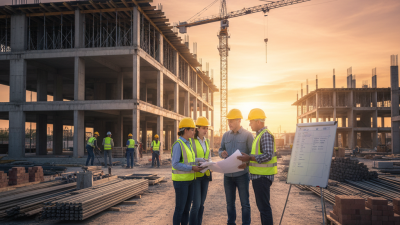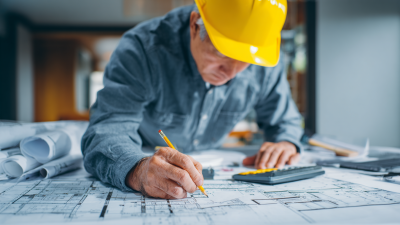
In the construction industry, the role of a building contractor is vital. An expert in this field, John Anderson, once said, “Successful projects rely on clear communication and careful planning.” This statement highlights the importance of strategy in construction projects.
A building contractor’s responsibilities extend beyond just overseeing construction. They must coordinate with suppliers, manage budgets, and communicate effectively with clients. Each decision impacts the project’s success. Details matter. Missing a crucial step can lead to delays and budget overruns.
The path to success in contractor work is not always smooth. Miscommunications happen, and plans can change. Some contractors overlook the importance of thorough planning. Reflecting on past challenges can provide valuable insights. Embracing these lessons ensures better outcomes for future projects. A proactive approach can greatly enhance the contractor's chances of success.

Selecting the right building contractor can make or break your project. According to a survey by the Home Builders Association, over 50% of homeowners regret their contractor choice. One common error is not checking references thoroughly. Building contractors can project professionalism, yet their past performance is crucial. Make sure to contact previous clients.
Communication is another key factor. A report by the Construction Industry Institute found that effective communication can reduce project costs by up to 15%. When interviewing potential contractors, ask about their communication style. A contractor who responds promptly signals a commitment to transparency.
Moreover, consider their experience in handling specific project types. Not every contractor excels in residential builds or large commercial structures. For instance, projects that exceed budgets often stem from mismatched expectations. Review their portfolio and assess how they managed similar challenges. This ensures that you select a contractor who aligns with your project vision.
| Tip Number | Tip Description | Importance Level | Implementation Stage |
|---|---|---|---|
| 1 | Define project scope clearly | High | Planning |
| 2 | Research potential contractors thoroughly | High | Pre-Construction |
| 3 | Check references and reviews | Medium | Pre-Construction |
| 4 | Get detailed written estimates | High | Bidding |
| 5 | Verify licenses and insurance | High | Pre-Construction |
| 6 | Establish a clear communication plan | Medium | Construction |
| 7 | Set realistic timelines and milestones | High | Planning |
| 8 | Monitor project progress regularly | High | Construction |
| 9 | Anticipate potential issues ahead of time | Medium | Construction |
| 10 | Review final project outcomes and learn | Medium | Post-Construction |
Pre-project planning is crucial for successful construction. Begin with defining project goals clearly. What do you want to achieve?
Involve all stakeholders early. This often reveals potential issues. Miscommunication can lead to significant delays later on.
Next, create a detailed project timeline. Identify key milestones and deadlines. Ensure resources are allocated properly.
Unexpected changes can disrupt the schedule. Sometimes, it's easy to overlook smaller details. These can snowball into larger problems.
Budgeting is another essential aspect. Assess costs carefully and leave room for contingencies.
It’s common to underestimate expenses. Regularly review financial projections to avoid surprises. Flexibility in planning can save time and money. Embrace the possibility of change, as it often leads to better outcomes.
Effective communication is vital in building projects. A study from the Project Management Institute found that poor communication contributes to 56% of project failures. Contractors and clients need to establish clear lines of dialogue to avoid misunderstandings. Regular updates can help bridge the gap between expectations and reality. For example, incorporating weekly check-ins allows clients to voice concerns early.
Visual aids can enhance understanding. Use diagrams and samples to convey complex ideas. Often, clients may misunderstand technical jargon. Simplifying language fosters better comprehension. A report by McKinsey highlighted that effective communication can improve project success by up to 20%.
However, challenges persist. Miscommunication happens despite best efforts. Language barriers may arise, especially with diverse teams. Some clients may hesitate to express dissatisfaction. This silence can lead to resentment and project delays. Encouraging open feedback is crucial. Creating a comfortable environment invites honest discussions. Regularly seek input from clients to ensure their needs are met.
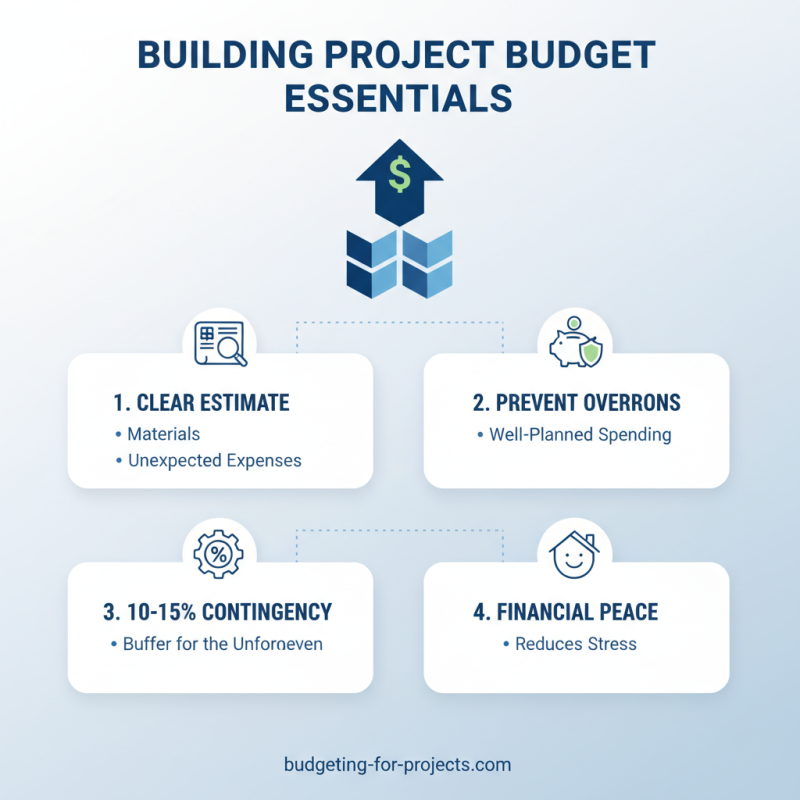
Budgeting is essential in building projects. A well-planned budget helps prevent cost overruns. Start with a clear estimate. Include materials, labor, and unexpected expenses. Aim for a 10-15% contingency. This can save you from financial stress.
Keep track of all expenses. Use simple tools or apps for this. Regularly update your budget. If you notice overspending, investigate the cause. Was it a miscalculation? Perhaps changes in design added costs. Reflect on this to avoid repeating mistakes.
Communicate with your team. Regular meetings can help identify budget issues early. Discuss progress and costs openly. If something goes wrong, remaining transparent is crucial. This builds trust and fosters problem-solving. Remember, every detail counts in keeping the budget intact.
In construction, effective project management is crucial for success. A recent industry study shows that poorly managed projects can lead to cost overruns of up to 20%. Lack of clear communication and oversight often contributes to these issues. Contractors should establish open lines of communication among all stakeholders from the start. Regular updates and feedback meetings can prevent misunderstandings and keep everyone aligned.
Time management is equally important. According to the Project Management Institute, nearly 70% of construction projects experience delays. This can often be attributed to inadequate planning. Contractors should utilize detailed schedules, breaking down tasks into manageable milestones. Foster a culture of accountability; this can help track progress effectively. However, avoid micromanagement. Trust your team, but remain engaged to ensure goals are met.
Another area needing reflection is risk management. Many contractors overlook potential risks at the outset, leading to significant setbacks. The construction industry sees risk-related costs averaging 10% of total project budgets. Contractors must identify, assess, and mitigate risks proactively. This includes maintaining a flexible mindset. When challenges arise, adaptability is key. The construction landscape is ever-changing; the ability to pivot can save time and money.