
Top 10 Benefits of Steel Buildings for Your Next Project?
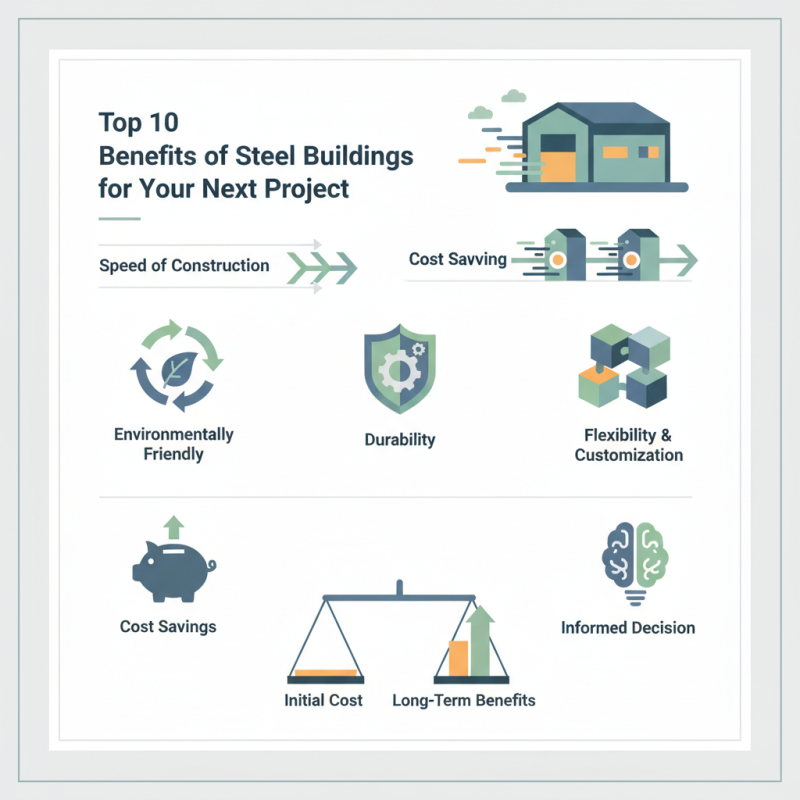
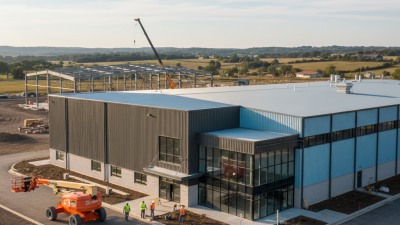
When planning your next project, consider a steel building. These structures offer a unique blend of durability and flexibility. Steel buildings are not just strong; they can also be customized to fit various design needs.
One significant advantage is their speed of construction. Prefabricated components allow for quicker assembly, reducing project timelines. This efficiency can lead to cost savings. Furthermore, steel buildings are environmentally friendly. They often use recycled materials and can be fully recycled at the end of their life cycle.
However, it's essential to think about potential challenges. For instance, initial costs may seem high, but long-term benefits often outweigh this factor. Reflecting on these aspects can help you make an informed decision. Overall, a steel building could be a wise choice for your project.
Advantages of Durability and Longevity in Steel Buildings
Steel buildings stand out due to their impressive durability and longevity. They resist harsh weather, which is essential for long-term stability. Unlike wood, steel does not warp, rot, or become infested with pests. This strength protects your investment over years, reducing repair costs significantly. Imagine a factory built from traditional materials suffering damage after a storm. In contrast, a steel building remains largely intact.
Another advantage of steel structures is their resistance to fire. Steel can endure high temperatures without collapsing. This added safety can save lives and reduce losses. However, it’s crucial to ensure proper insulation for energy efficiency. Sometimes, people overlook this. A metal structure without insulation can become uncomfortably hot or cold. It’s a detail that deserves attention to balance comfort and durability.
Moreover, steel buildings require minimal maintenance. Once erected, they can last decades with little upkeep. This appeal attracts many businesses looking for cost-effective solutions. Yet, some may view upfront costs as a drawback. Over time, the efficiency and longevity of steel outweigh these initial expenses. A thoughtful approach considers both immediate concerns and long-term benefits.
Top 10 Benefits of Steel Buildings for Your Next Project
| Benefit | Description | Impact |
|---|---|---|
| Durability | Steel structures can withstand extreme weather conditions, including heavy winds and snow. | Reduced maintenance costs and longer lifespan. |
| Longevity | Steel buildings are resistant to rot, pests, and corrosion, leading to a long service life. | Lower replacement frequency, saving resources and costs over time. |
| Cost-Effectiveness | Initial investment is often balanced by longevity and low maintenance needs. | Higher ROI over the life of the building. |
| Design Flexibility | Steel can be molded and shaped into various architectural forms. | Expanded design options for better functional use of space. |
| Energy Efficiency | Steel buildings can incorporate insulation that minimizes energy consumption. | Lower utility bills and environmental footprint. |
| Speed of Construction | Pre-fabricated components allow for faster assembly on site. | Reduced labor costs and quicker project completion. |
| Sustainability | Steel is recyclable, making it an eco-friendly building material. | Contributes to sustainable building practices and LEED certification. |
| Safety | Steel structures provide strong resistance to fire, earthquakes, and other hazards. | Enhanced safety for occupants and reduced insurance premiums. |
| Low Maintenance | Steel buildings require less upkeep compared to traditional materials. | Savings on maintenance costs and reduced downtime. |
| Versatility | Steel buildings cater to various needs, from industrial to commercial uses. | Adaptable for future growth and changing requirements. |
Related Posts
-
Top 5 Benefits of Pre Engineered Steel Buildings You Need to Know for Your Next Project
-
Top 10 Benefits of Steel Structure Buildings for Your Construction Projects
-
Innovative Steel Framing Solutions for Sustainable Construction Projects
-
Top Benefits of Using Steel Structures in Modern Construction
-
10 Best Advantages of Using Steel Structure Buildings for Modern Construction
-
Top 10 Benefits of Pre Engineered Steel Buildings for Your Next Project