
Top 5 Tips for Choosing a Low Frequency Pure Sine Wave Inverter?

When selecting a Low Frequency Pure Sine Wave Inverter, several factors come into play. These inverters are crucial for a variety of applications, such as powering sensitive electronics or running appliances that require stable power. Choosing the right model can greatly affect your energy efficiency and device performance.

Consider the power rating needed for your devices. Underestimating this can lead to power shortages. Pay attention to the inverter's efficiency. High efficiency means lower energy loss and better savings. Additionally, look for features like overload protection and smart monitoring. These features can save you from potential damages.

Research the brand reputation. A well-known brand often signifies reliability. However, always read reviews to gather real user experiences. This insight can highlight both strengths and weaknesses you may not initially see. Balance what users like and dislike. Remember, the perfect choice might not exist. Every inverter has trade-offs; understanding these helps in making a better-informed decision.
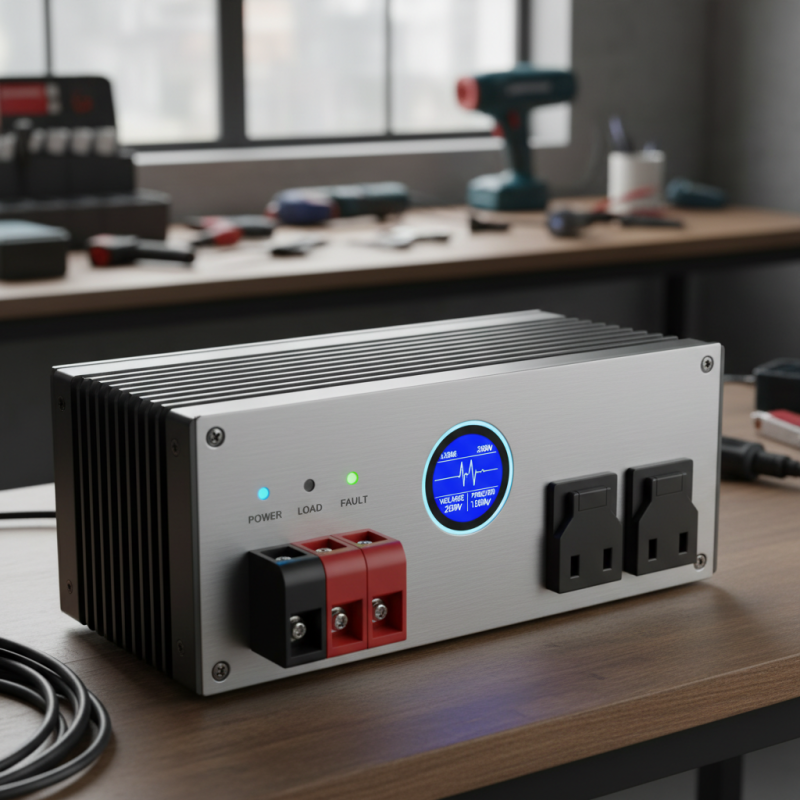
Top 5 Tips for Choosing a Low Frequency Pure Sine Wave Inverter?

Understanding the Basics of Low Frequency Pure Sine Wave Inverters

Low frequency pure sine wave inverters are essential for anyone seeking reliable power solutions. They convert DC power to high-quality AC power efficiently. This type of inverter is perfect for sensitive electronics. A recent industry report highlights that pure sine wave inverters can improve the lifespan of connected devices significantly.

Choosing the right inverter can be daunting. Here are some tips. First, consider the power rating. It should match your needs. An inverter with too low a rating can overheat. Secondly, look at the output waveform. Not all inverters produce pure sine waves. Some may generate modified sine waves, which could harm sensitive devices.

Another aspect to reflect on is installation requirements. Some inverters require more space and proper ventilation. Understand the specifics of your environment to ensure optimal performance. Sometimes, you may think bigger is better, but that’s not always true. Oversizing can lead to wasted energy and increased costs. Always assess your actual power needs before making a choice.

Key Features to Consider When Selecting a Low Frequency Inverter

When selecting a low-frequency pure sine wave inverter, several key features should be prioritized. Efficiency is one crucial aspect. Industry reports indicate that high-quality inverters can achieve over 90% efficiency. This means less energy loss and lower operational costs. No one likes surprises in their electricity bills.

Another essential feature is the inverter's surge capacity. This parameter defines how much power the unit can handle during peak usage. Many recommend an inverter that can handle 2 to 3 times the rated wattage. For instance, a 1000W inverter should safely manage surges of 2000W to 3000W. This is vital for appliances like refrigerators and power tools, which require a temporary boost in power.

Battery compatibility also plays a significant role. Not all inverters work with every battery type. Mismatches can cause performance issues. Additionally, safety features such as overload protection and short circuit prevention can prevent hazards. Dependable inverters should always prioritize user safety. Always remember, the cheapest option is not always the best choice. Balancing cost and features is critical. Choose wisely.

Top 5 Key Features to Consider When Selecting a Low Frequency Pure Sine Wave Inverter

Evaluating Efficiency Ratings and Power Output Specifications

When evaluating low-frequency pure sine wave inverters, efficiency ratings are crucial. Understand that efficiency typically ranges from 80% to 95%. A study found that inverters with lower efficiency consume more energy when converting DC to AC, leading to higher operational costs. Small differences in efficiency can add up. An inverter rated at 90% may use 10% more energy than one at 95%, impacting your budget over time.

Power output specifications deserve attention too. Look for inverters with a continuous output rating that meets your needs. Ratings are often displayed in watts. A reliable inverter for home use might range from 1000 to 3000 watts. Some users have reported that underestimating power needs leads to system failures. Always consider starting loads, which can be significantly higher than continuous loads.

Reviews and independent tests reveal that many inverters perform below expectations, especially during peak loads. Transparency about these ratings appears inconsistent across the industry. Some manufacturers may tout high efficiency, but real-world performance can differ. Rely on credible data to avoid costly mistakes. Data analysis shows that at least 30% of buyers regret their inverter choice due to insufficient information. Thus, careful consideration and research are vital in making an informed decision.

Assessing Safety Features and Compliance Standards in Inverter Designs

Safety features in low-frequency pure sine wave inverters are crucial. They protect both the inverter and connected devices. An inverter with over-voltage protection can prevent damage during surges. Look for a design that includes overload protection. It helps avoid overheating or potential fires.

Compliance with industry standards is essential. Inverters should meet relevant safety regulations, like those set by national or international bodies. Check if the inverter has certifications. This can provide reassurance about its safety performance. Testing labs usually verify these standards.

Consider the cooling system as well. Effective heat dissipation can enhance longevity. Look for units with fans or heat sinks. However, be cautious; some fans may create noise. A silent model might be preferable but often needs better airflow management. Overall, scrutinizing the safety features and compliance standards can ensure that you pick a reliable inverter for your needs.

Comparing Price Ranges and Warranty Options for Best Value Inverters

When choosing a low frequency pure sine wave inverter, price ranges and warranties play crucial roles. The market has a wide range of price points, from budget models under $200 to high-end options above $500. According to industry research, consumers tend to overlook warranty duration when making purchases. An inverter with a solid warranty can save money in the long run. Some reports indicate that inverters with warranties over three years have a 30% lower failure rate than those with shorter coverage.

Many inverters come with a one to two-year warranty, which might not reflect their lifespan. A report from a reputable energy source highlighted that about 20% of inverters fail before reaching the five-year mark. A longer warranty often indicates a manufacturer's confidence in their product. Price should not be the sole focus when selecting an inverter. Buyers should consider specifications in relation to warranty offerings. A higher price might come with better warranties and technical support, which ultimately adds value.

Examining user reviews can reveal the reliability of inverter models. An inverter that appears inexpensive may cost more in repairs and replacements over time. Evaluating specifications against warranty options helps avoid future regret. The right choice balances cost, performance, and coverage, ensuring you get a dependable product.

Top 5 Tips for Choosing a Low Frequency Pure Sine Wave Inverter

Inverter Type Price Range ($) Power Output (W) Warranty (Years) Efficiency (%)
Model A 300 - 500 1000 2 90
Model B 400 - 700 1500 3 92
Model C 600 - 900 2000 4 93
Model D 800 - 1100 2500 5 95
Model E 1000 - 1300 3000 5 96