Starting a construction work project is both exciting and daunting. John Smith, a veteran in the construction industry, once said, "Planning is the foundation of success in construction work." This rings true as effective planning sets the stage for the entire project.
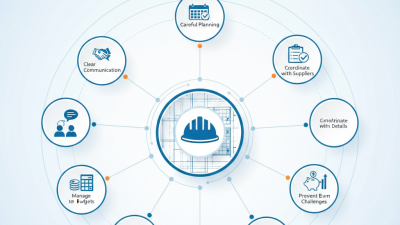
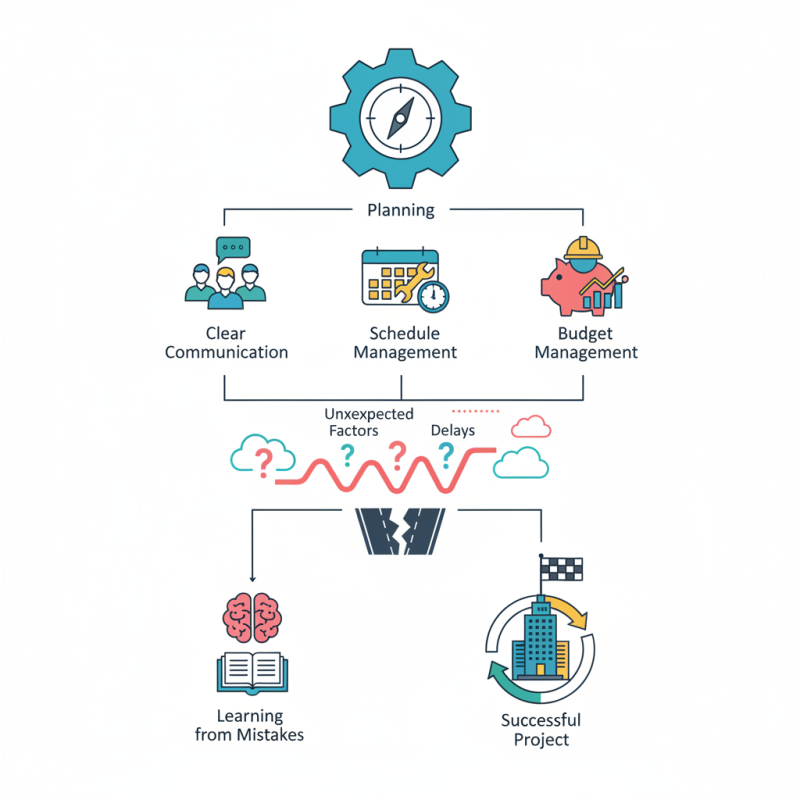
A successful construction work project relies on multiple components. Clear communication among team members fosters collaboration. Schedule management is crucial but can be challenging. Delays often arise from unexpected factors, such as weather or supply chain issues. These problems can disrupt the flow of work and lead to frustration.
Additionally, budget management is vital. Underestimating costs can derail a project quickly. It’s important to allocate resources wisely while being prepared for unforeseen expenses. Balancing quality and cost is a continuous challenge. Reflecting on past projects, many find that learning from mistakes is essential. Taking time to evaluate previous efforts leads to better outcomes in future construction work.
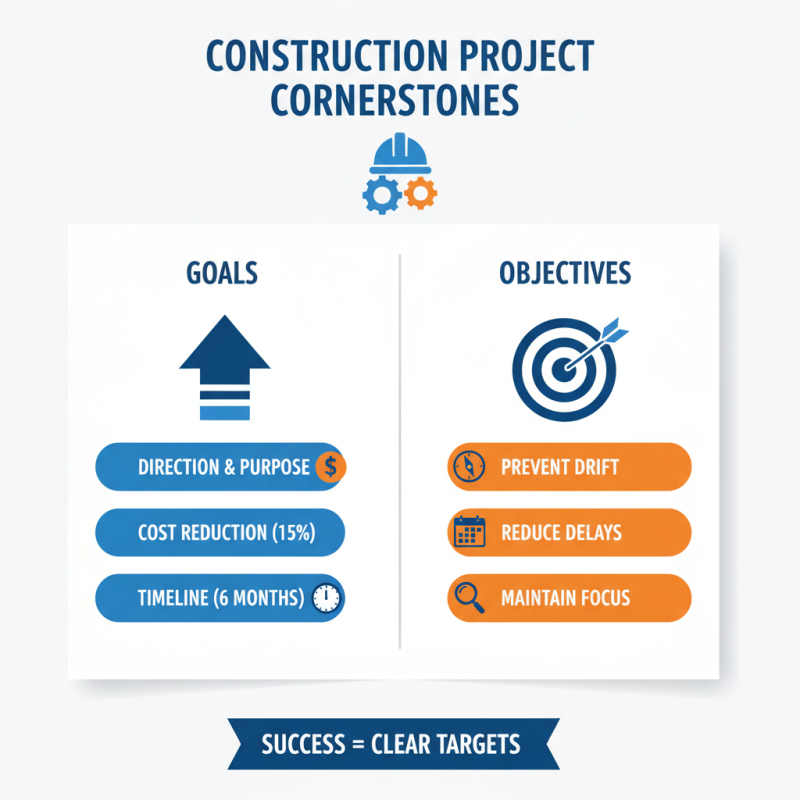
Defining project goals and objectives is crucial in construction work. Clear goals provide direction and a sense of purpose. Without them, teams may drift, causing delays and confusion. For instance, reducing project costs by 15% or completing the project within six months can be effective goals. These targets keep everyone focused.
It's essential to communicate these goals to all team members. Everyone should understand their roles in achieving them. Regular meetings can help reinforce this understanding. However, there can be challenges. Sometimes, team members might misinterpret goals, leading to misalignment. Frequent checks on progress can help catch these misunderstandings early. Emphasizing collaboration among different teams can enhance clarity.
Measuring progress toward objectives is equally important. This can be done through regular assessments. But, it is not always straightforward. Unexpected issues may arise, affecting timelines. Reflection on what worked and what didn’t is necessary. Learning from these experiences helps in refining future projects. Ultimately, a well-defined goal helps turn construction visions into reality.
Conducting a comprehensive feasibility study is crucial for any construction project. This process involves analyzing various aspects like financial viability, site conditions, and project scope. A clear understanding of these factors can save time and money later on.
Start with the financial assessment. Estimate costs for labor, materials, and overheads. Compare these with potential revenue. If projections don’t add up, reconsider your plan. Many projects fail at this stage due to unrealistic budgeting. Use local cost indexes to make estimates more accurate.
Next, examine the site conditions. Assess soil stability, accessibility, and local regulations. Unexpected issues may arise, leading to delays. Investigate environmental impacts as well. These factors can reveal hidden challenges that may affect timelines. Document everything clearly. A thorough study helps avoid painful surprises down the line.
| Aspect | Description | Importance Level | Estimated Cost |
|---|---|---|---|
| Site Analysis | Assessing location, zoning laws, and environmental impact. | High | $2,500 |
| Market Analysis | Understanding demand, competition, and market trends. | High | $3,200 |
| Financial Projections | Estimating costs, revenues, and profit margins. | High | $1,800 |
| Project Timeline | Creating schedule with milestones and deadlines. | Medium | $1,000 |
| Risk Assessment | Identifying potential risks and mitigation strategies. | High | $1,500 |
Assembling a skilled project team is crucial in any construction project. A well-rounded team brings diverse skills together. Each member should possess specific expertise—engineers, architects, project managers, and laborers. It’s essential to assess each candidate’s experience carefully. Sometimes, even a minor oversight in choosing personnel can lead to significant delays.
Assigning clear roles helps streamline communication and enhances collaboration. Define responsibilities based on individual strengths. This clarity reduces confusion and boosts productivity. However, it’s vital to remain flexible. Team dynamics can change over time. Be ready to adjust roles if necessary. Regular check-ins can highlight issues early, allowing the team to adapt efficiently.
Communication, both verbal and written, should always remain open. Misunderstandings can derail progress. Ensure that everyone feels comfortable sharing ideas. Celebrate progress but also analyze setbacks. Every challenge offers a learning opportunity. Reflecting on what went wrong is key to improvement. Building a great team is a continuous journey, not a one-time task.
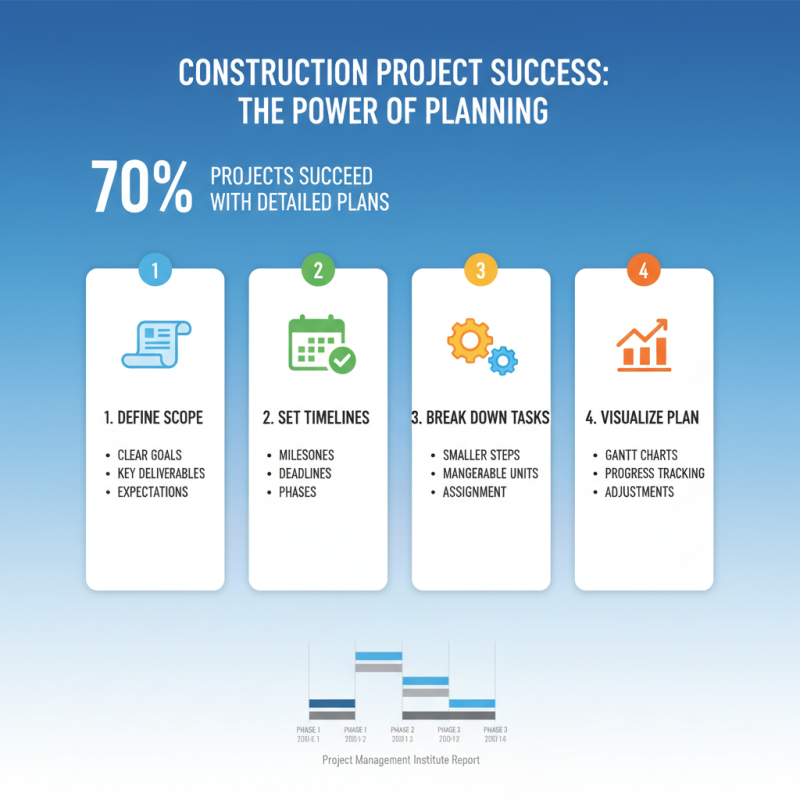
A detailed project plan and timeline are crucial for a successful construction project. According to a report by the Project Management Institute, 70% of successful projects highlight the importance of detailed planning. Start by defining the project scope clearly. Identify the key deliverables and deadlines. Break down tasks into smaller, manageable components. Utilize tools like Gantt charts to visualize timelines.
Allocate resources effectively. Research indicates that poor resource management leads to delays in 50% of construction projects. Regularly update your timeline to reflect any changes. Keep communication channels open among team members. This promotes accountability and keeps everyone aligned with the project's goals.
After the initial planning phase, reflect on potential risks. What could derail your timeline? Overlooking small details can lead to significant setbacks. Regular reviews help identify gaps. Adjusting the plan mid-project is often necessary. Remember, flexibility is just as important as the initial plan.
Establishing effective budgeting and resource allocation strategies is crucial for any construction project. Start by accurately estimating costs. This involves breaking down the project into manageable phases and identifying necessary materials and labor. Timing is essential. Allocate funds for each phase and monitor spending closely. Unexpected expenses can derail projects. Having a buffer will help mitigate financial surprises.
Consider how resources are distributed across the project. Assess the availability of materials and the skills of your team. Sometimes, skilled workers may be in short supply. It’s important to keep communication lines open with suppliers and subcontractors. Regular check-ins can reveal issues early on. Addressing concerns promptly can save time and money.
Reflect on the efficiency of your plans. Regularly revisit your budget and resource allocation as the project progresses. Are you sticking to your estimates? If not, why? Evaluate what worked and what didn’t. Adjust your strategies as needed to improve future projects. Building a flexible plan can significantly enhance the chances of success.