What is the Role of Building Materials in Modern Construction?

Building materials play a vital role in modern construction. They determine a structure's durability, sustainability, and aesthetic appeal. According to a 2021 report by the Global Construction and Building Materials Market, the industry is expected to reach $1.2 trillion by 2027. This growth highlights the increasing importance of innovative materials in construction.

The choices we make in materials have lasting impacts. For example, concrete is one of the most widely used materials, but its production is responsible for 8% of global CO2 emissions. Thus, selecting alternative materials becomes crucial. Sustainable options, like bamboo or recycled steel, are gaining attention. Yet, not all builders prioritize these eco-friendly choices.

Building materials also affect a project’s cost and efficiency. High-quality materials can enhance longevity and reduce maintenance. However, they often have a higher initial price tag. Balancing cost and quality remains a challenge in the industry. Responsible selection of building materials may lead to improved construction practices, but it requires a shift in mindset among many stakeholders.
What is the Role of Building Materials in Modern Construction?

The Definition and Importance of Building Materials in Construction
What is the Role of Building Materials in Modern Construction?

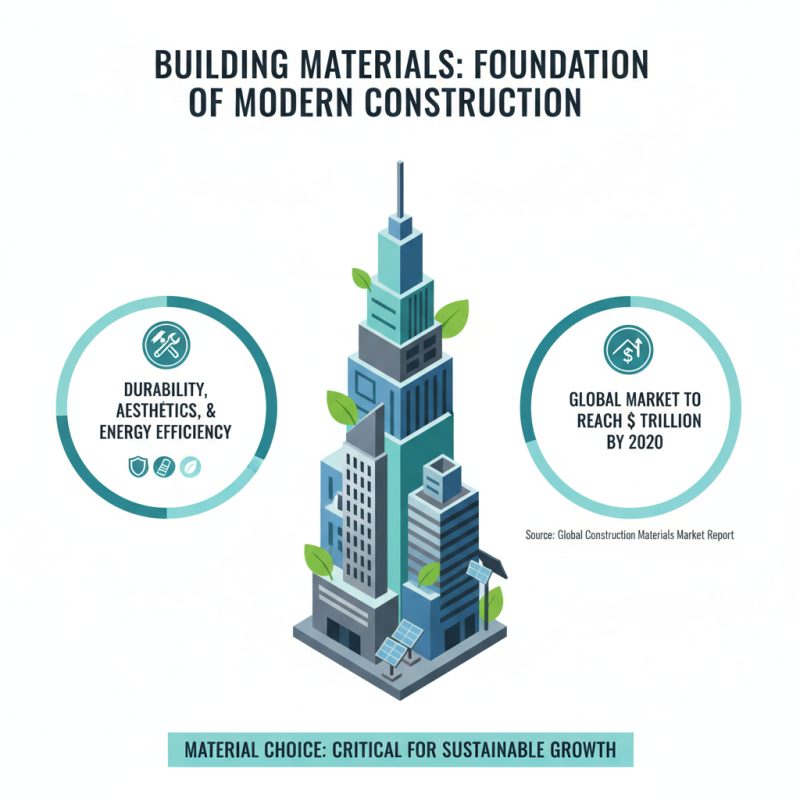
Building materials play a crucial role in modern construction. They determine the durability, aesthetics, and energy efficiency of structures. According to the Global Construction Materials Market report, this sector is projected to reach $1 trillion by 2030. This rapid growth highlights how critical material choice is today.

The definition of building materials extends beyond bricks and concrete. It includes everything from wood and steel to innovative composites and eco-friendly options. A study by McKinsey shows that sustainable materials can reduce carbon footprints by up to 45%. However, many construction companies struggle to balance cost and environmental impact.

Consider the insight from a 2021 industry report indicating that over 30% of construction waste comes from improper material use. This statistic raises questions about planning and execution in the industry. Improving material selection and usage is a challenge that requires ongoing reflection and adaptation.
Types of Building Materials Used in Modern Construction Practices

Building materials play a critical role in modern construction. They significantly influence the sustainability, cost, and durability of structures. Common types of building materials include concrete, steel, wood, and glass. Each material has unique properties that serve different purposes in construction.

Concrete remains the most widely used building material. It comprises roughly 60% of all construction materials. It is favored for its strength and durability. However, its production process is energy-intensive, contributing to a significant carbon footprint. Steel is another prevalent choice, known for its tensile strength. Approximately 1.6 billion tons of steel are used globally each year. The recycling potential of steel is remarkable. More than 70% of steel can be repurposed, which is a positive aspect in sustainability.

Wood is increasingly popular in residential construction. It is renewable and offers excellent insulation. Unfortunately, deforestation and overharvesting are issues associated with wood use. Innovations like engineered wood aim to address these concerns. Glass, often used for aesthetics and natural lighting, presents challenges in energy efficiency. Its production requires a large amount of energy, which is another area for reflection in material choice. The construction industry is at a crossroads, needing to balance these factors for sustainable development.

Sustainable Building Materials and Their Role in Environmental Impact

What is the Role of Building Materials in Modern Construction?

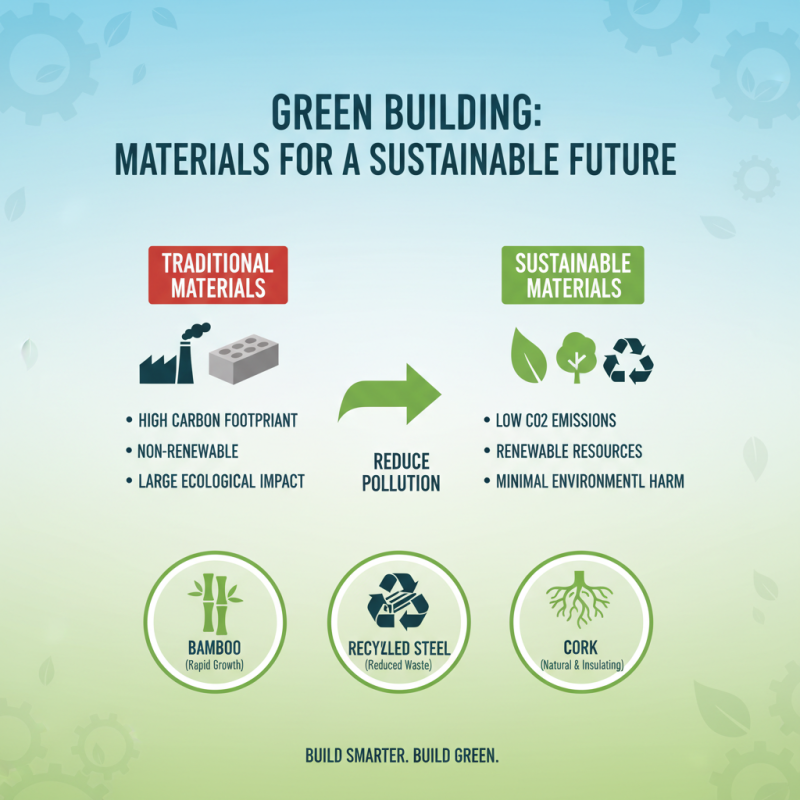
Sustainable building materials play a crucial role in minimizing environmental impact. Traditional materials often have high carbon footprints. In contrast, sustainable options like bamboo or recycled steel significantly reduce these emissions. They utilize renewable resources, ensuring a smaller ecological footprint. For instance, bamboo grows rapidly and can be harvested sustainably.

Many architects and builders overlook the potential of local materials. Using stones or wood from nearby areas lowers transportation emissions. However, the challenge lies in sourcing these materials responsibly. Some local resources may deplete quickly if not managed well. Awareness of this balance is crucial for responsible construction.

The innovation of materials, such as hempcrete, offers exciting possibilities. Hemp requires less water and energy than traditional materials. Yet, it is still underutilized in mainstream construction. Additionally, promoting awareness and education about sustainable practices can bridge this gap. Despite progress, the industry often prioritizes cost over sustainability. Reflecting on these choices can lead to a more responsible future in construction.

Advancements in Building Material Technology and Innovation

Advancements in building material technology are transforming modern construction. Innovative materials enhance durability and sustainability. For instance, the global green building market is projected to reach $778 billion by 2027, according to a report by Environmental Leader. This shift reflects the industry's commitment to eco-friendly practices.

High-performance concrete is gaining traction. It cures faster, reducing construction timelines. Some studies suggest such concrete decreases building costs by up to 30%. Smart materials, like thermochromic windows, respond to temperature changes, optimizing energy efficiency. Yet, challenges remain in standardizing these technologies for widespread use.

Recycling construction waste is another focus. A recent report found that only 30% of construction waste is recycled. This statistic highlights the need for greater innovation in waste management. Although there are significant strides in material technology, many construction firms still rely on traditional methods. Balancing innovation with practical application is essential for lasting change.

The Future of Building Materials in Shaping Modern Architecture

The future of building materials plays a crucial role in shaping modern architecture. As cities grow, architects seek innovative solutions. Traditional materials like wood and concrete are common, but they pose limitations. New materials such as cross-laminated timber are emerging. This wood-based product offers strength and sustainability. It encourages a shift back to using natural resources.

Recycled materials are gaining traction too. Old glass, plastic, and metals find new life in construction. These choices reduce waste significantly. Yet, sustainability requires careful consideration. Not all recycled materials meet safety standards. Testing and certification are essential. There’s also the challenge of aesthetics. Builders aim for visually appealing structures that are still eco-friendly.

Smart materials are on the horizon. These materials respond to environmental changes. They can regulate temperature and light, enhancing energy efficiency. However, the integration of technology can be daunting. It raises questions about cost and maintenance. We must confront these issues to create a balanced approach to future construction. Will the benefits outweigh the challenges? This is a question worth exploring as we move forward in architecture.

What is the Role of Building Materials in Modern Construction?

Material Type Sustainability Rating Thermal Performance Cost (per sq. ft) Durability (Years)
Recycled Steel High Good $5.00 50+
Bamboo Very High Excellent $4.50 20-30
Concrete (Reinforced) Medium Fair $7.00 75+
Wood (Sustainable) High Good $3.50 30-50
Recycled Plastic Very High Fair $6.00 25