Top 10 Most Effective Transport Vehicles for Daily Use?
In today's world, efficient transport vehicles are essential for daily life. According to a recent report by the International Transport Forum, over 1.4 billion vehicles are in operation worldwide. This number highlights the importance of choosing the right transport vehicles for various needs. With city populations rising, the demand for practical transport options continues to grow.
When considering transport vehicles, efficiency and sustainability are key. Electric and hybrid vehicles are gaining popularity. For instance, by 2030, electric vehicles are expected to make up about 30% of the global market. These figures suggest a shift towards greener alternatives, yet many consumers remain hesitant due to cost and charging infrastructure.
Surprisingly, public transportation usage is declining in many urban areas. Reports indicate that ridership is down by 20% in some cities since the pandemic. This presents a concern for future transport systems. As we analyze the top 10 most effective transport vehicles, we must also reflect on these trends. Selecting the right vehicle can lead to significant personal and environmental benefits.
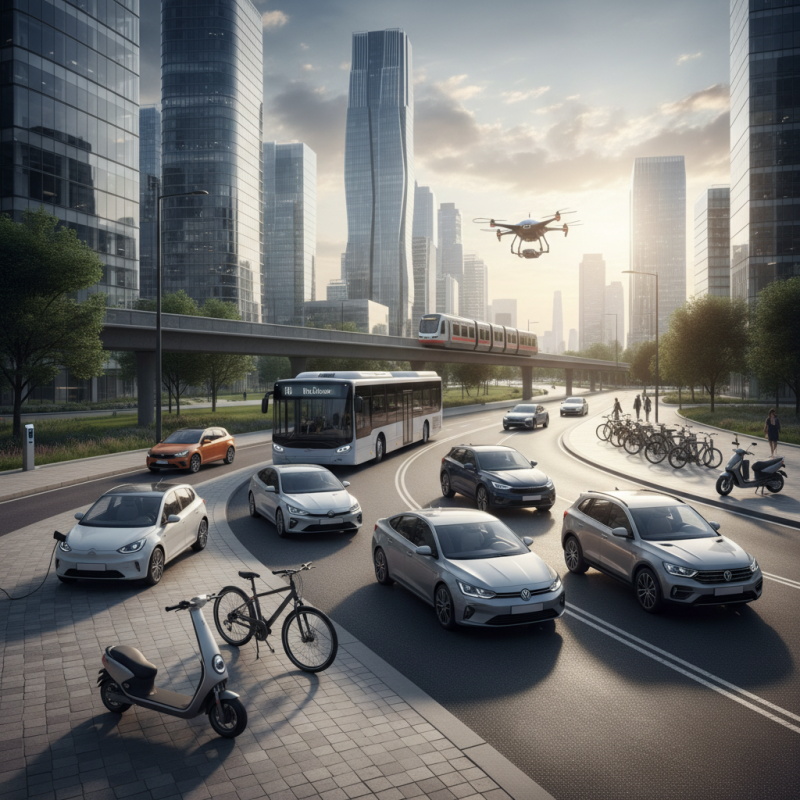
Types of Transport Vehicles for Daily Use
When considering daily transport, several vehicle types stand out. Bicycles are eco-friendly and great for short distances. They promote health and reduce traffic. However, they require safe routes and can be tough in bad weather.
Motorcycles offer speed and agility. They navigate through traffic easily. Gas efficiency is often high. But they lack protection, which can be a concern. Riders need proper gear and training.
Public transport is another viable option.
Buses and trains reduce congestion and pollution. They're cost-effective. Yet, they can be unreliable. Often, schedules do not match commuters' needs.
Cars provide comfort and space. They are great for families. However, maintenance and fuel costs can add up. Traffic jams can also be frustrating. Staring at brake lights every day may lead to stress.
Electric scooters are increasingly popular. They are compact and easy to park. Yet, charge time can be an issue, and their stability depends on the rider's skill. Think about local regulations for usage.
Tips: Always check local transport schedules. Plan your trips in advance. Consider
combining different transport modes for efficiency. Remember,
flexibility is key to a smoother daily commute.
Efficiency and Comfort in Daily Transport Options
When considering daily transport options, efficiency and comfort are essential. Choose vehicles that suit your routine. Bicycles are eco-friendly and promote physical health. They save time on short trips and reduce traffic congestion. On the other hand, electric scooters are compact and convenient. They can be easily stored and are perfect for commuting over shorter distances.
It's crucial to assess the local infrastructure. Many cities have bike lanes, making cycling safer and more enjoyable. However, weather conditions can affect your choice. In rainy or snowy climates, consider a vehicle that provides protection. For those using public transport, a reliable backpack can make your commute more comfortable.
Tips for daily transport: Always check the weather before leaving. Carry a portable charger for your electronic devices. And remember, embracing flexibility can enhance your daily commute experience. Sometimes, walking is the best option, especially in pedestrian-friendly areas.
Cost-Effectiveness of Common Transport Vehicles
When choosing a transport vehicle, cost-effectiveness is crucial. Public transport, such as buses and trains, often offers a lower cost per trip. They require minimal initial investment. However, waiting times can be frustrating. It’s essential to weigh convenience against savings.
Bicycles provide an eco-friendly alternative. They have low maintenance costs and fuel none. However, cycling is not always practical in bad weather. Walking is free but time-consuming. For those living in urban areas, ride-sharing services can be an option. They save money compared to owning a car.
Cars are convenient but come with hidden costs. Fuel, insurance, and maintenance add up quickly. A small car might seem economical initially, yet higher fuel prices can strain budgets. It’s vital to reflect on how often you actually need a vehicle. The balance between cost and practicality is often forgotten in daily choices.
Top 10 Most Effective Transport Vehicles for Daily Use
Environmental Impact of Daily Transport Choices
The environmental impact of daily transport choices is substantial. According to a report from the International Energy Agency, transportation accounts for about 24% of global CO2 emissions. This figure prompts us to rethink our daily commuting methods. Alternatives like cycling, public transport, and electric vehicles can significantly reduce one's carbon footprint.
In cities, over 50% of trips are less than three miles. This presents an opportunity for change. Walking or biking for short distances can lower greenhouse gas emissions. Public transport, meanwhile, can be an effective solution. Using buses or trains reduces per-passenger emissions compared to single-occupancy vehicles. However, infrastructure limitations often hinder this option.
Electric vehicles (EVs) are gaining traction. A report from Bloomberg New Energy Finance shows that EVs could account for 58% of new car sales by 2040. However, the environmental benefits depend on how electricity is generated. If sourced from fossil fuels, the positive impact may be compromised. Despite the push for greener options, debates continue over the sustainability of battery production and disposal. Reflecting on these challenges is crucial for making effective transport choices.
Future Trends in Transportation for Daily Needs
The future of transportation is evolving rapidly. As urban populations grow, the demand for efficient transport solutions increases. Electric vehicles are gaining popularity. They reduce emissions and lower operating costs. However, charging infrastructure remains a challenge in many areas.
Bicycles and electric scooters are becoming common as well. They're eco-friendly and ideal for short commutes. Many cities are implementing bike lanes, but safety concerns still exist. Public transport systems are also upgrading. Smart technologies can enhance scheduling and reduce wait times. Yet, overcrowding remains a significant issue.
Innovative solutions like micro-mobility options are emerging. These include shared scooters and e-bikes. They offer flexibility but can lead to congestion on sidewalks. Autonomous vehicles promise to change daily transport. Their reliability is uncertain, raising questions about safety. Balancing convenience and sustainability is essential for future transportation.