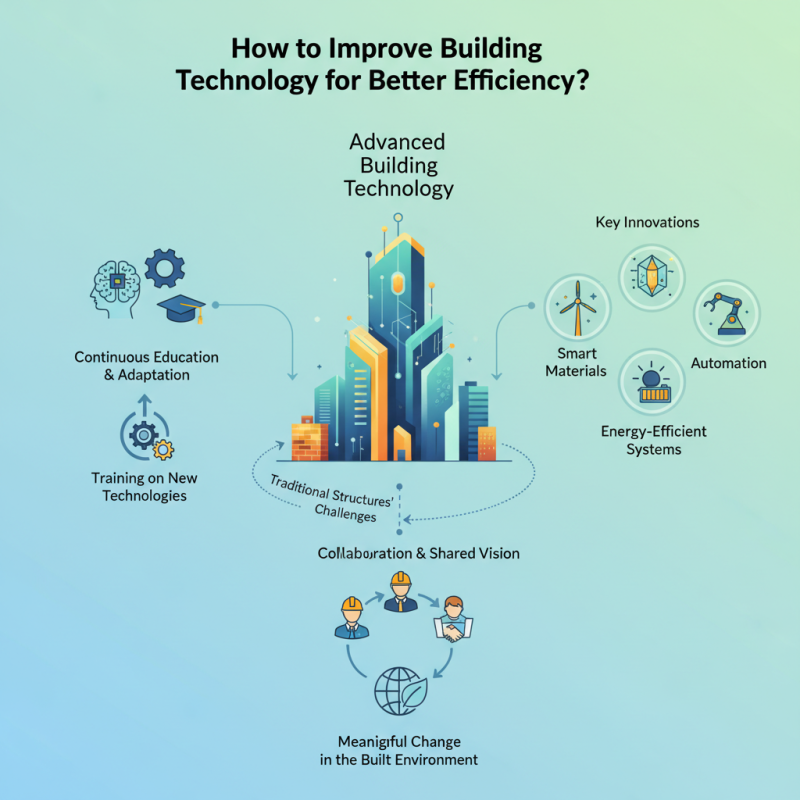
The evolution of building technology has become a critical agenda in contemporary architecture and construction. As energy consumption rises, the need for sustainable solutions grows stronger. Improved building technology can enhance efficiency while reducing environmental impact. Innovations such as smart materials, energy-efficient systems, and automation play a key role in this transformation.
Integrating advanced building technology is not without challenges. Many traditional structures struggle to adapt to modern solutions. This reflects a broader issue within the industry: the need for continuous education and adaptation among professionals. Investing in training on new technologies not only helps in utilization but also ensures reliability and authority in practice.
Rethinking how we approach building technology is essential for future growth. We must embrace both the potential and the limitations of new innovations. The journey to efficiency is ongoing and requires a commitment to learning and improvement. This journey emphasizes the need for collaboration and a shared vision among engineers, architects, and stakeholders to drive meaningful change in the built environment.
Assessing current building technology reveals efficiency limitations that can hinder sustainability efforts. Many buildings rely on outdated systems. These systems often lead to energy waste and increased operational costs. This gap highlights the importance of evaluating and upgrading technology regularly.
Tips: Begin with an energy audit. Identify areas where energy loss occurs. Replace old HVAC systems with modern, energy-efficient alternatives. Implement smart controls to optimize energy use. Encourage employees to adopt energy-saving habits.
Efficiency can suffer from poor insulation or outdated materials. Windows may leak air, while roofs might not retain heat. Investing in better insulation can yield long-term savings. However, challenges include material costs and installation disruption.
Tips: Use energy modeling to predict improvements. Analyze how different materials and systems impact overall efficiency. Engage with professionals who understand the latest technologies in building science. Consider the balance between upfront costs and long-term savings. Testing and analyzing through real-time data can lead to better decision-making.
| Technology Type | Efficiency Rating (%) | Limitations | Improvement Suggestions |
|---|---|---|---|
| HVAC Systems | 75 | Inefficiency in extreme weather | Smart thermostats, better insulation |
| Lighting Systems | 80 | Dependence on natural light | LED technology, motion sensors |
| Building Materials | 70 | Limited thermal performance | Advanced composites, insulation technologies |
| Energy Management Systems | 85 | Integration with existing systems | IoT integration, data analytics |
| Water Management Systems | 65 | Water wastage and leakage | Leak detection systems, recycle water |
Improving building technology starts with assessing key areas in building processes. Focus on energy efficiency, materials, and waste management. Each area contributes significantly to overall performance.
Energy efficiency should be a top priority. Audit current systems and identify where energy is wasted. Efficient HVAC systems can dramatically reduce costs. Investing in smart building technology helps track energy use and adjust behaviors.
Tip: Conduct regular energy audits to spot inefficiencies. Small changes can lead to significant savings.
Materials play a crucial role in sustainable building. Opt for renewable and locally sourced materials to cut down on emissions. This requires collaboration with suppliers to ensure quality and sustainability.
Tip: Track the lifecycle of materials to evaluate their environmental impact. Challenge assumptions about what is considered "green."
Waste management is often overlooked. Implement recycling and reusing practices to minimize waste. Training staff to recognize sustainable practices can be beneficial.
Tip: Foster a culture of sustainability within the team. This encourages innovative solutions and continuous improvement.
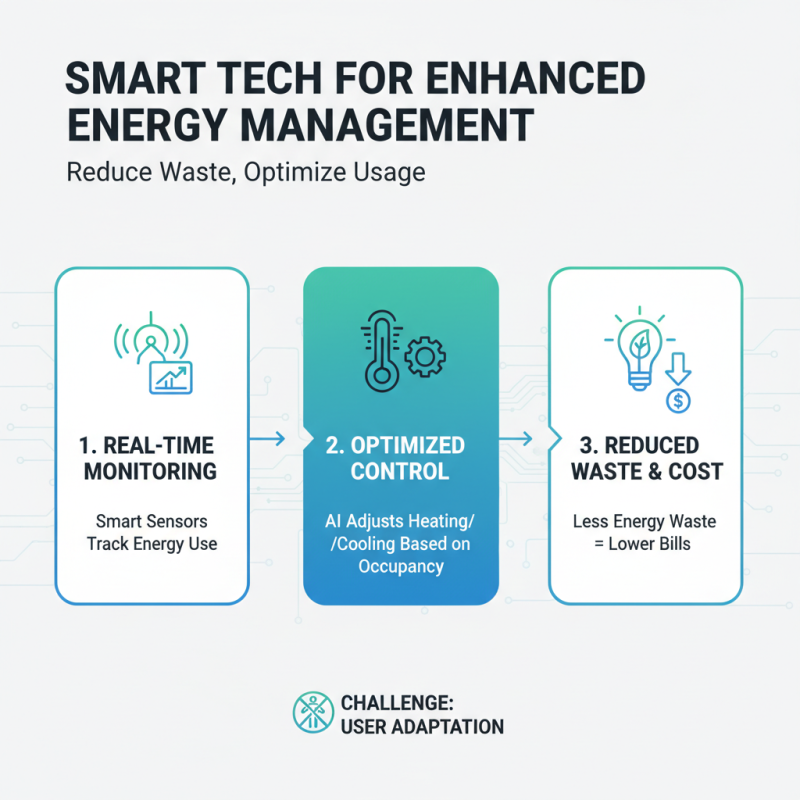
Integrating smart technology into building design can significantly enhance energy management. Smart sensors monitor energy usage in real-time. This data allows for adjustments that reduce waste. For instance, smart thermostats can learn about occupancy patterns and adjust heating and cooling accordingly. However, implementation may come with challenges like resistance from users.
Another effective method is using smart lighting systems. These systems can adjust brightness based on natural light levels. By doing so, buildings can lower energy consumption. Yet, not all buildings are fit for such technology. Older structures may struggle with installation, leading to potential inefficiencies.
Additionally, smart technology helps in predictive maintenance. Sensors can alert staff to equipment issues before they lead to failures. This proactive approach saves resources. Still, these technologies require training and adaptation. Different stakeholders must be on board, which can be a hurdle in some environments. Balancing the benefits with these challenges is crucial for effective energy management.
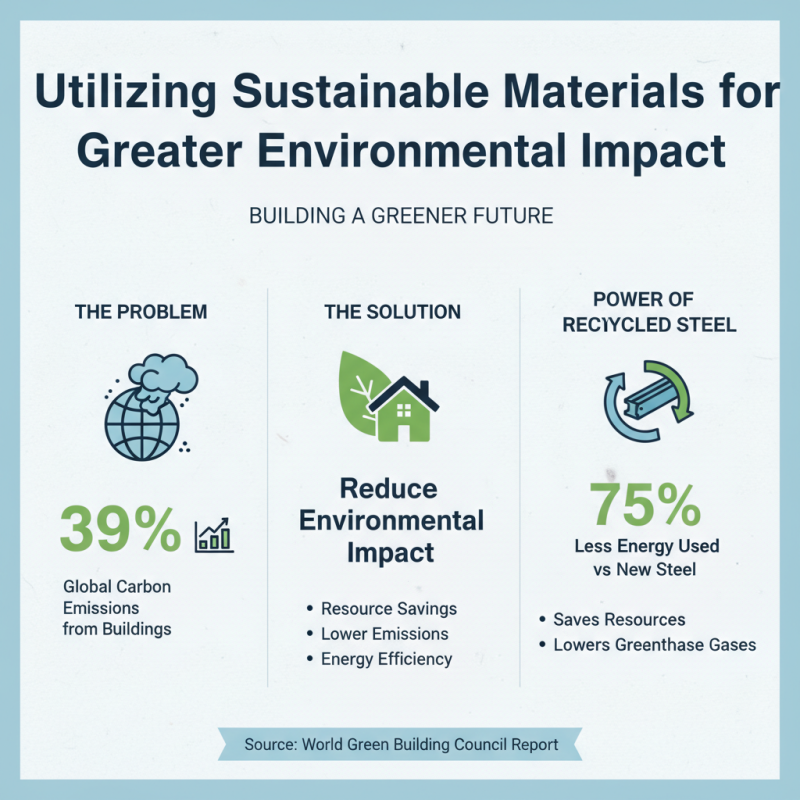
Sustainable materials are crucial for enhancing building technology efficiency. According to a report from the World Green Building Council, buildings account for 39% of global carbon emissions. By using sustainable materials, we can significantly reduce this impact. For instance, recycled steel uses 75% less energy compared to newly produced steel. This change not only saves resources but also lowers greenhouse gas emissions.
Utilizing materials like bamboo and reclaimed wood can replace conventional ones with lower environmental footprints. Bamboo grows rapidly, maturing in just 3-5 years, while reclaimed wood minimizes waste. However, not all sustainable materials perform equally. Some may lack durability, leading to increased maintenance and costs over time. It's essential to assess the long-term reliability of these materials.
Additionally, adopting life-cycle analysis (LCA) can guide architects and builders in selecting the best options for efficiency. A study shows that implementing LCA can decrease environmental impacts of buildings by up to 30%. While sustainable materials present a clear path toward efficiency, challenges persist. Ensuring consistency in quality and performance remains a key issue in the industry. Inadequate education on the benefits of these materials can further hinder their adoption.
Incorporating best practices in building design and construction can dramatically improve efficiency. One effective approach is using sustainable materials. These materials often require less energy to produce and can reduce waste. Consider bamboo or recycled steel for your next project; both are durable and environmentally friendly.
It's also vital to design for energy efficiency. Implementing passive design strategies can minimize energy consumption. This can include optimizing natural light and airflow. Solar panels on roofs can harness renewable energy, reducing dependence on non-renewable sources. These strategies not only lower costs but also enhance comfort for building occupants.
Tips: