Construction projects play a vital role in the global economy. According to the Global Construction 2030 report, worldwide construction output is expected to reach $15.5 trillion by 2030. This surge reflects the increasing demand for infrastructure and real estate globally. Major nations, including China and the U.S., drive significant portions of this growth. Experts believe these trends are transforming investment patterns and market dynamics.
John Smith, a leading construction industry analyst, emphasizes, "Construction projects are the backbone of economic development." His insights underlie the importance of strategic investments in this sector. With heightened urbanization, cities require upgraded transportation, housing, and utility systems. Such projects not only create jobs but also enhance living standards.
However, not all projects succeed. Mismanagement and lack of planning often lead to cost overruns. A study by McKinsey shows that 98% of mega projects face delays or budget issues. Buyers must grasp these challenges to navigate the complexities of construction projects effectively. Understanding these factors is crucial for making informed investment decisions in a fluctuating market.

Construction projects play a pivotal role in global trade dynamics. They drive economic growth and create jobs across various sectors. According to the Global Construction Outlook 2023 report, the industry is expected to reach approximately $15 trillion by 2030. This significant growth reflects rising urbanization and infrastructure demands.
Moreover, construction projects facilitate international cooperation. They require vast resources and expertise from multiple countries. Numerous studies indicate that cross-border collaborations can enhance sustainable practices. Projects often involve local labor, which leads to community development. However, challenges remain, such as delays and cost overruns. According to the McKinsey Global Institute, inefficiencies in construction result in nearly $1.6 trillion lost worldwide each year.
The interdependence in construction highlights the need for effective communication among stakeholders. Misalignment can lead to project failures and financial losses. While technology continues to improve project management, human factors remain critical. Addressing these issues can strengthen trade ties and regional economies. As the industry evolves, embracing innovation will be essential for future successes.
Infrastructure development plays a vital role in economic growth. Roads, bridges, and facilities create connections that boost trade. Efficient transportation enhances logistical operations, making goods move faster. A well-developed infrastructure attracts businesses and investors. This can lead to job creation and higher living standards.
However, challenges exist. Many regions still lack adequate infrastructure. Investment in construction projects might not always guarantee immediate returns. It requires time and effort. Moreover, quality and durability are crucial. Poorly executed projects can lead to additional costs later. Therefore, planning and execution are essential in infrastructure development.
The impact of infrastructure extends beyond the economy. It influences social dynamics and quality of life. Access to clean water and proper sanitation improves public health. Educational institutions benefit from reliable transportation for students. While the importance of infrastructure is clear, continuous improvement and maintenance remain necessary.
Construction projects play a pivotal role in shaping supply chain management for global buyers. A recent report from the Global Construction Perspectives indicates that the global construction market is projected to exceed $15 trillion by 2030. This growth is driven by urbanization, economic development, and increased demand for infrastructure. As buyers navigate this landscape, they must consider how construction timelines and efficiencies directly impact their supply chains.
Inadequate project management can lead to delays, which have a ripple effect. A McKinsey report revealed that construction projects are on average 20% over budget and 33% behind schedule. These setbacks complicate supply chain logistics and inventory management, resulting in higher costs and potential stockouts. Addressing these issues early can save money and improve service levels.
Tips: Leverage technology in project management. Tools like Building Information Modeling (BIM) can enhance collaboration and transparency. Regularly assess your supply chain’s vulnerability to construction delays. Diversifying suppliers can mitigate risks. Reflecting on past projects can offer crucial insights for future improvements.
Construction project management is crucial for global buyers navigating complex markets. Effective management strategies can lead to successful project outcomes. According to a report by McKinsey, poor execution can reduce productivity in construction by up to 50%. This highlights the need for robust risk mitigation strategies.
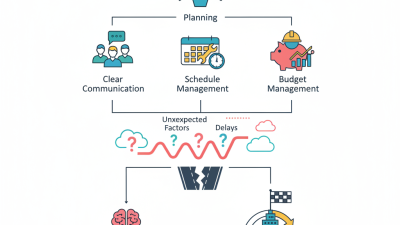
One effective approach is thorough planning. A clear project plan helps to identify potential risks early. Regular audits can uncover issues before they escalate. Approximately 70% of projects encounter scope changes, often leading to delays and budget overruns. Adjustments must be handled efficiently to keep projects on track.
Communication is another key component. Open channels among stakeholders foster collaboration. The Project Management Institute states that 57% of projects fail due to poor communication. Engaging all parties in the decision-making process minimizes misunderstandings and misaligned goals. Continuous monitoring and adaptive strategies are essential to address unforeseen challenges effectively.
| Project Type | Investment (in Millions) | Completion Time (Months) | Risk Level | Mitigation Strategies |
|---|---|---|---|---|
| Commercial Buildings | 150 | 24 | Medium | Regular audits, stakeholder engagement |
| Infrastructure Projects | 300 | 60 | High | Contingency planning, risk assessment |
| Residential Projects | 80 | 12 | Low | Community feedback, quality checks |
| Industrial Facilities | 120 | 18 | Medium | Safety protocols, compliance measures |
| Renewable Energy Projects | 250 | 36 | High | Innovation workshops, advisory councils |
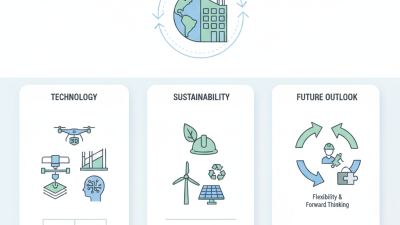
The construction industry is increasingly embracing sustainability. This shift is driven by global demands for eco-friendly practices and materials. Projects now prioritize energy-efficient designs, which can reduce emissions significantly. Sustainable construction methods can also drive down overall project costs in the long run.
Green building certifications are becoming a standard requirement. Many global buyers seek projects that meet these standards. This trend raises awareness among stakeholders about the importance of sustainable choices. However, the transition to greener methods faces challenges. Not all materials are readily available, and some methods are still deemed more expensive upfront.
Innovation in construction techniques is crucial. Building with recycled materials is one area gaining traction, yet it is not without its difficulties. There is still a need for further research and development. As the industry progresses, the balance between sustainability and cost-effectiveness remains a topic of discussion. The commitment to sustainability can yield lasting benefits not just for buyers, but for the planet as a whole.