Top 10 Essential Safety Tips for a Successful Construction Site Management

Effective construction site management is paramount to ensuring safety and efficiency in any building project. A well-managed construction site not only minimizes risks but also fosters productivity among the workforce. According to John Smith, a respected expert in construction safety, "Creating a safe environment on a construction site is not just about compliance—it's about cultivating a culture of safety that everyone embraces." His insights underline the necessity for comprehensive safety practices that protect workers and enhance overall site operations.

The inherently risky nature of construction work demands vigilant oversight and adherence to safety protocols. Every team member must be aware of potential hazards and be equipped with the knowledge to respond appropriately. As we outline the top 10 essential safety tips for construction site management, it becomes clear that the foundation of any successful project lies in prioritizing safety. These strategies will not only safeguard personnel but also contribute to the timely and efficient completion of the project, reflecting the critical balance between labor and hazard management on construction sites.

Top 10 Essential Safety Tips for a Successful Construction Site Management

Understanding the Importance of Safety in Construction Site Management

In construction site management, safety is paramount. According to the Occupational Safety and Health Administration (OSHA), nearly 21% of worker fatalities in the private sector occur in the construction industry, demonstrating the inherent risks involved. Emphasizing safety measures not only protects the workforce but also enhances the overall efficiency of project execution. Research from the National Safety Council indicates that for every dollar spent on safety investments, companies can save an average of $4.00 in return through reduced worker’s compensation costs and increased productivity.

Moreover, the importance of safety extends beyond compliance; it cultivates a culture of care within the workplace. A study by the Construction Industry Institute highlights that sites with strong safety protocols report 50% fewer accidents than those without. Such a focus on safety fosters employee morale and retention, as workers feel secure in their environment. Establishing robust safety training programs and regular audits not only mitigates risks but also lays the groundwork for successful project outcomes, ultimately contributing to a company’s reputation in the industry. As the construction landscape continues to evolve, prioritizing safety will remain a key driver for sustainable growth and operational success.

Top 10 Essential Safety Tips for a Successful Construction Site Management

Safety Tip Description Importance
Conduct Regular Safety Training Ensure all workers are trained on safety protocols and emergency procedures. Reduces accidents and enhances awareness among workers.
Wear Appropriate Personal Protective Equipment (PPE) Ensure that workers wear helmets, gloves, goggles, and other necessary gear. Protects from injury and conveys a safety-first mindset.
Implement Site Access Control Limit access to authorized personnel only. Minimizes the risk of accidents involving unauthorized individuals.
Ensure Proper Equipment Maintenance Regularly check and maintain tools and machinery. Prevents equipment failure and accidents caused by faulty machinery.
Establish Clear Signage Use clear, visible signs to communicate hazards and safety information. Guides workers and visitors to stay safe on site.
Conduct Daily Safety Inspections Regularly inspect the site for potential hazards and unsafe conditions. Identifies problems early and reduces the risk of incidents.
Encourage Open Communication Foster a culture where workers can report unsafe conditions without fear. Promotes safety awareness and proactive problem-solving.
Establish Emergency Procedures Create and communicate clear emergency response plans. Ensures quick and effective action in case of an emergency.
Promote a Safety-First Culture Integrate safety into daily operations and decisions. Enhances overall site safety and reduces the likelihood of accidents.

Identifying Key Hazards and Risk Factors on the Construction Site

Top 10 Essential Safety Tips for a Successful Construction Site Management

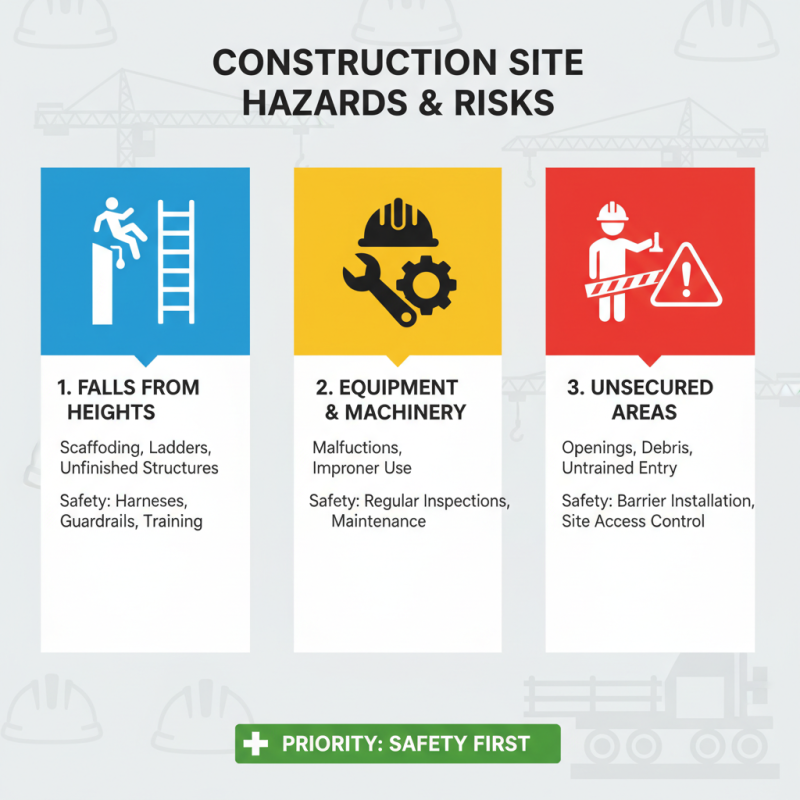
Identifying key hazards and risk factors on a construction site is crucial for maintaining safety and ensuring smooth operations. One of the primary dangers stems from working at heights. Falls from scaffolding, ladders, or unfinished structures can result in severe injuries or fatalities. It's essential to implement safety protocols such as harnesses, guardrails, and regular training to prevent such incidents. Additionally, ensuring that equipment and scaffolding are regularly inspected and maintained can significantly mitigate these risks.

Another critical area of concern is the presence of heavy machinery and moving vehicles. The risk of collisions or accidents can be high, particularly in congested work environments. To address this, it's important to establish clear pathways for vehicles and personnel, along with proper signage to direct traffic. Furthermore, training employees on machinery operation and the importance of maintaining a safe distance from heavy equipment can enhance awareness and reduce accidents. Lastly, environmental hazards, including exposure to harmful substances or extreme weather conditions, should also be monitored diligently. Implementing proper ventilation, using personal protective equipment, and creating contingency plans for adverse weather can help safeguard workers against these potential risks.

Implementing Effective Safety Training Programs for Workers

Implementing effective safety training programs for construction workers is indispensable for fostering a secure work environment. According to the Occupational Safety and Health Administration (OSHA), proper training can reduce workplace accidents by over 30%. This statistic underscores the critical need for rigorous safety training initiatives tailored to the unique risks associated with construction sites. Programs should cover essential topics such as hazard recognition, fall protection, and equipment operation, ensuring that all workers are equipped with the knowledge and skills necessary to mitigate risks.

Additionally, the National Safety Council (NSC) estimates that effective training can lead to a significant reduction in workers' compensation claims—potentially saving a company thousands of dollars. Training should not be a one-time event but rather an ongoing process that includes regular refresher courses and hands-on demonstrations. By fostering an environment of continuous learning and awareness, construction managers can cultivate a culture of safety that prioritizes worker health and well-being and ultimately contributes to project success. Engaging workers in safety talks and drills can further enhance their preparedness and responsiveness to potential hazards, empowering them to act swiftly and effectively in emergencies.

Ensuring Proper Use of Personal Protective Equipment (PPE)

In the construction industry, the proper use of Personal Protective Equipment (PPE) is crucial for maintaining safety on site. According to the Occupational Safety and Health Administration (OSHA), approximately 21% of worker fatalities in 2020 were in the construction sector, underscoring the importance of implementing strict PPE protocols. Essential gear, including helmets, gloves, eye protection, and high-visibility clothing, serves as the first line of defense against workplace hazards.

To effectively utilize PPE, first, ensure that all workers are properly trained in the use of equipment suited to their specific tasks. Tips for enhancing PPE compliance include:

  • Conducting regular audits of equipment to check for damage or wear,
  • Ensuring employees have access to comfortable, fitted gear, and
  • Reinforcing the importance of wearing PPE consistently, even when they perceive risks to be low.
Data reveals that consistent PPE use can reduce the risk of injury or illness by as much as 70%, illustrating the critical role that safety equipment plays in safeguarding workers.

Additionally, site managers should encourage a culture of safety where employees feel empowered to voice concerns regarding PPE. Providing feedback forums can foster communication and awareness around proper equipment usage. Adopting these practices not only enhances safety but also contributes to higher morale and productivity on construction sites.

Establishing Clear Communication and Emergency Response Protocols

Effective communication and robust emergency response protocols are paramount for successful construction site management. According to the Construction Industry Institute (CII), approximately 70% of construction project failures stem from preventable issues related to poor communication. Establishing clear lines of communication among all team members—from project managers to on-site workers—can significantly mitigate risks and enhance safety outcomes. Regular briefings, updates, and utilizing communication tools tailored for construction environments are essential strategies to ensure everyone is informed and engaged.

Moreover, having a well-defined emergency response plan can dramatically reduce response times during incidents. The Occupational Safety and Health Administration (OSHA) emphasizes that sites with formal emergency protocols and regular drills see a 30% reduction in accident-related injuries. Such protocols should clearly outline evacuation routes, first aid procedures, and specific roles for team members during emergencies.

Training sessions that simulate real-life scenarios can prepare workers for potential crises, ensuring they remain calm and efficient when faced with unforeseen events. By investing in communication and emergency preparedness, construction sites not only safeguard their workers but also enhance overall project efficiency and success.