
The performance of your air conditioning system greatly depends on the Aircon Pump. This crucial component circulates refrigerants, maintaining optimal cooling. A well-functioning aircon pump ensures your space remains comfortable during hot days. However, many overlook its maintenance, leading to inefficiencies.
Understanding the aircon pump's operation is key. It’s not just about installation; regular checks and servicing are vital. Neglected pumps can result in costly repairs and reduced cooling performance. You may think all is well, but unnoticed issues can arise. This could mean you are left sweating without warning.
Proper care extends the pump's life span. Tips like checking dual drainage, ensuring proper refrigerant levels, and maintaining cleanliness are essential. This attention to detail not only enhances efficiency but also promotes energy savings. Reflect on your aircon pump’s status today. Can it meet your cooling needs effectively?
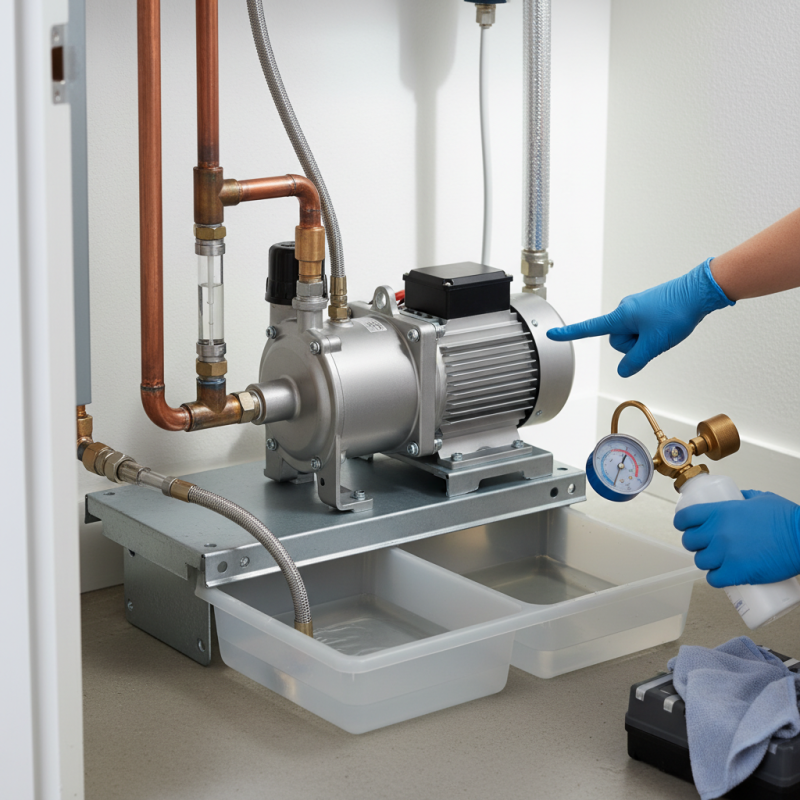
Air conditioning pumps play a crucial role in cooling systems. They circulate refrigerant to absorb warmth from inside spaces and release it outside. This process ensures consistent temperature control and enhances comfort. According to the U.S. Department of Energy, properly maintained pumps can improve system efficiency by up to 30%. Understanding this function aids in optimizing performance.
Regular maintenance is key for air conditioning pumps. Neglected pumps can lead to inefficiencies, reducing cooling capacity. Even small leaks in the system can affect pressure balance. The average lifespan of these pumps is around 10-15 years. However, their performance can decline over time, making checks essential. Monitoring your system regularly helps in early detection of issues.
Data from the Energy Star program shows that over 50% of cooling systems run inefficiently due to improper care. Homeowners should consider investing in regular professional inspections. Ensuring that components, like pumps, are functioning well leads to better energy savings. It's important to reflect on the long-term benefits of maintaining these systems.
When it comes to air conditioning systems, the pump plays a crucial role. An inefficient aircon pump can lead to various performance issues. One clear sign of trouble is unusual noises. If you hear grinding or squealing sounds, the pump may be malfunctioning or clogged. This issue often results from dirt buildup in the system.
Another indicator is inconsistent cooling. If certain rooms remain warm while others are cold, the pump might not be circulating refrigerant properly. This could stem from air leaks or blockages. Additionally, if you notice water pooling around the unit, it indicates a drainage problem. This can be due to a clogged condensation line, which the pump must address.
Lastly, watch the energy bills. A spike in costs may signal that the pump is working overtime. It’s important to pay attention to these signs. Regular maintenance can enhance performance. Ensuring the aircon pump operates efficiently helps avoid costly repairs later. Remember, neglect can lead to bigger issues down the line. Regular checks can save both energy and money.
Maintaining your air conditioning pump is crucial for optimal cooling performance. Regular checks can prevent minor issues from becoming major problems. Inspect for any blockages in the pump's drainage lines. Clogged lines can lead to water damage and decreased efficiency. Cleaning these lines ensures a smooth flow, promoting effective cooling.
Another vital aspect is monitoring refrigerant levels. If the refrigerant is low, it may indicate a leak. This can deteriorate your system's performance. Replenishing the refrigerant not only enhances efficiency but also prolongs the lifespan of your pump. Don't overlook the importance of regular maintenance checks.
Consider setting a maintenance schedule. It might be easy to forget, but routine inspections help you catch problems early. A quick visual check can reveal unusual sounds or vibrations. These signs often indicate underlying issues that need professional attention. Regular upkeep can save you money on repairs in the long run.
| Tip | Description | Frequency | Benefits |
|---|---|---|---|
| Regular Cleaning | Clean the air filters and pump regularly to ensure optimal airflow. | Monthly | Improves efficiency and enhances cooling performance. |
| Check for Leaks | Inspect the pump regularly for any signs of leaks. | Bi-weekly | Prevents water damage and maintains proper operation. |
| Inspect Electrical Connections | Ensure all electrical connections are secure and free from corrosion. | Seasonally | Increases safety and reduces risk of failures. |
| Monitor Refrigerant Levels | Check and maintain proper refrigerant levels in the system. | Annually | Ensures maximum cooling efficiency. |
| Schedule Professional Inspections | Have a certified technician inspect the air conditioning pump. | Annually | Identifies potential issues before they become serious problems. |
Air conditioning pumps are crucial for effective cooling. However, many users face common issues. An air conditioning pump typically operates to remove condensation. If it becomes clogged, performance decreases significantly. According to the Department of Energy, a clogged pump can reduce efficiency by up to 15%. Regular checks can prevent this problem.
Another frequent issue is pump noise. Unusual sounds may indicate a blockage or a failing component. Users often dismiss these noises, leading to bigger problems. A study by the American Society of Heating, Refrigerating and Air-Conditioning Engineers highlights that 20% of all HVAC issues are due to neglected pumps. This emphasizes the importance of addressing issues early.
Lastly, improper installation can lead to significant problems. A poorly placed pump may not function optimally. It could result in water damage or inefficient cooling. Observing the pump’s operation closely helps. Simple actions can improve performance, yet many overlook them. Regular maintenance checks can identify underlying issues that are often neglected.
Upgrading your air conditioning pump can significantly enhance its efficiency. Modern pumps offer advanced technology that optimizes cooling. They reduce energy consumption while improving performance. A high-efficiency pump can lower energy bills and provide consistent comfort.
Consider your current pump’s age and performance. If it frequently breaks down or struggles to cool, it’s time for an upgrade. Older models can waste energy and fail to meet today's cooling demands. Research shows that new pumps can operate more quietly, providing a more pleasant environment. Regular maintenance of your upgraded pump is essential to ensure long-lasting efficiency.
Installation is another critical aspect. Proper setup contributes to the overall efficacy of the pump. An incorrect installation can lead to airflow issues and reduced performance. Engage a professional for installation to avoid pitfalls. Choosing an energy-efficient model may require an initial investment, but the long-term savings are worth it.
