What Are Energy Efficient Aluminum Windows?
Energy efficient aluminum windows are designed to reduce heat transfer while preserving aluminum’s strength, clean appearance, and long service life. They typically combine thermally broken frames, insulated glazing, low-emissivity coatings, and durable weather seals. These components work together to limit winter heat loss and summer heat gain. The result can be a more stable indoor temperature and lower pressure on heating and cooling systems.
Building scientist Joseph Lstiburek, a respected authority in building performance, often says, “Windows are the holes in the wall.” His observation explains why window selection deserves careful attention. Even an advanced wall can perform poorly when its windows leak air or conduct excessive heat. Energy efficient aluminum windows can address these weak points when their frame design, glass package, and installation method match the building’s climate. Look closely at the thermal break. Check the spacer material. Inspect the sealant around the frame.
Performance ratings matter, but they do not tell the entire story. U-factor, solar heat gain coefficient, air leakage, visible transmittance, and water resistance should be considered together. A low U-factor may help in a cold region, while controlled solar gain may matter more in a hot climate. The best specification is rarely universal. That part is easy to overlook.
Real performance also depends on accurate measuring and careful installation. A small gap beside the frame can create a cold draft, even with premium glass. Homeowners may expect dramatic savings, yet results vary with orientation, shading, ventilation, and existing insulation. Energy efficient aluminum windows are valuable tools, not magic solutions. Their benefits become clearer when product data, site conditions, and professional workmanship align.
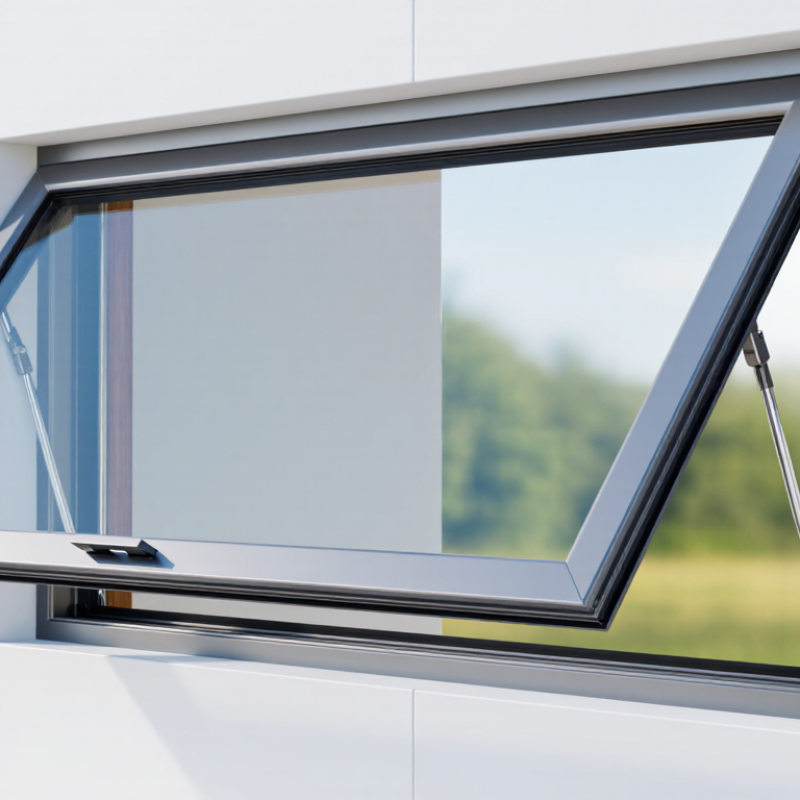
Definition of Energy-Efficient Aluminum Windows
Energy-efficient aluminum windows are windows designed to reduce unwanted heat transfer through the frame, glass, and seals. Aluminum is strong and slim, but it conducts heat quickly. Therefore, efficient designs usually include a thermal break, insulated glazing, low-emissivity coatings, and durable weather seals. The definition should cover the complete window, not only the glass.
The U.S. Department of Energy’s Energy Saver guidance reports that windows can influence about 25% to 30% of a home’s heating and cooling energy use. A lower U-factor means better insulation. The Solar Heat Gain Coefficient, or SHGC, shows how much solar heat enters through the window. Lower SHGC may help in hot climates, while moderate solar gain can benefit colder rooms. The National Fenestration Rating Council stresses that whole-window ratings provide more reliable comparisons. Still, ratings do not explain every installation problem. Poor fitting can weaken excellent specifications.
Tips: Check the certified whole-window U-factor and SHGC. Look for a continuous thermal break inside the aluminum frame. Inspect corner joints, gaskets, and drainage paths carefully. Match the glass to the climate and room direction. A very low U-factor is not automatically the best choice. I have seen beautiful specifications fail because installers ignored air leakage. The frame matters, but so does the wall around it.
Key Components That Improve Thermal Performance
Energy-efficient aluminum windows depend on more than a strong metal frame. The key component is a thermal break, usually made from reinforced polyamide. It separates the exterior and interior aluminum sections, slowing heat transfer through the frame. Without this barrier, aluminum can conduct heat quickly. The U.S. Department of Energy reports that windows may cause 25–30% of residential heating and cooling energy use. That figure makes frame design important, not decorative.
Low-emissivity glass adds another layer of control. Its microscopic coating reflects infrared heat while allowing useful daylight inside. Double or triple glazing creates sealed air spaces, and argon filling can reduce heat movement further. The National Fenestration Rating Council evaluates these features through U-factor and Solar Heat Gain Coefficient ratings. A lower U-factor generally means better insulation, while SHGC should match the local climate and window orientation. South-facing glass needs different control than shaded north-facing glass.
Seals matter too. Even excellent glazing performs poorly when air leaks around the sash or installation joint. Look for durable gaskets, insulated spacers, and tested air-leakage results. ENERGY STAR criteria provide a practical reference, but ratings are not the entire decision. Installation quality can undermine impressive laboratory numbers. That is easy to overlook. In my view, aluminum remains attractive because it is slim, rigid, and recyclable, yet its thermal details demand careful inspection. Some product comparisons also overstate savings, so measured performance deserves more trust than marketing language.
How Energy-Efficient Aluminum Windows Work
Energy-efficient aluminum windows work by controlling heat flow through the frame, glass, and joints. Aluminum is strong and slim, but it conducts heat quickly. A thermal break interrupts that path. It places an insulating material between the exterior and interior aluminum sections. This reduces winter heat loss and summer heat gain. The improvement is practical, not magical. Poor detailing can still undermine it.
Most efficient designs combine thermally broken frames with double or triple glazing. Low-emissivity coatings reflect indoor heat toward the room during cold weather. They can also limit solar heat entering through sunlit glass. Inert gas between panes slows heat movement.
Warm-edge spacers reduce heat transfer around the glass perimeter. Compression seals block drafts, rain, and outdoor noise. However, gas-filled units depend on durable seals and careful factory assembly.
Installation determines whether laboratory performance appears in a lived-in room. A small gap around the frame can create a cold line and condensation. Installers should check alignment, drainage, perimeter insulation, and airtight connections. Building orientation matters too. South- or west-facing glass may need shading in warmer climates. I would not judge efficiency from frame material alone. Look for tested U-values, solar heat gain data, and verified air leakage results. These figures are useful, but they are not the whole story. Local weather, window size, and occupant habits can change actual performance. That is where specifications deserve a careful second look.
Selection, Installation, and Maintenance Considerations
Energy-efficient aluminum windows depend on the whole window system, not aluminum alone. Thermal breaks reduce heat transfer through the frame. Low-emissivity glazing can further limit indoor heat loss and solar gain. According to the U.S. Department of Energy, windows account for about 25–30% of residential heating and cooling energy use. That choice is rarely simple. Use NFRC-rated U-factor, solar heat gain coefficient, visible transmittance, and air-leakage values when comparing products. A low U-factor may perform poorly in a hot climate if solar gain is excessive.
Installation can decide whether laboratory performance appears in a real room. Installers should check opening dimensions, set the frame square, and use continuous shims. Expanding foam can seal gaps, but it should not distort the frame. Exterior flashing must direct water outward, especially below the sill. The U.S. Department of Energy recommends careful air sealing around window assemblies because uncontrolled leakage increases heating and cooling demand. Small gaps matter. On site, rushed installation often creates drafts that customers later blame on the glass.
Maintenance is straightforward but easy to neglect. Clean tracks, keep drainage holes open, and inspect gaskets each season. Lubricate moving hardware with a suitable non-staining product. Condensation may indicate high indoor humidity, weak ventilation, or a thermal bridge, rather than a defective window. The 2021 International Energy Conservation Code emphasizes performance through U-factor and solar heat gain requirements, but local climate still matters. I would not select the lowest quoted U-factor automatically; shading, orientation, ventilation, and installation quality deserve equal attention.