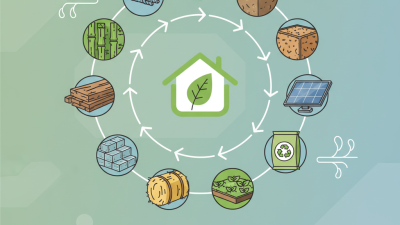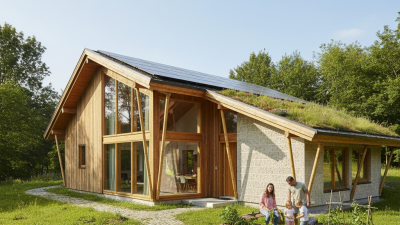
Sustainable architecture is increasingly vital as the world faces environmental challenges. According to John Doe, a leading expert in eco friendly building materials, "Using sustainable materials is not just a choice, but a responsibility." His insight highlights the growing importance of building sustainable projects.
The quest for eco friendly building materials has transformed the construction landscape. Innovations in materials such as bamboo, reclaimed wood, and recycled steel offer immense potential. These materials reduce waste and minimize resource consumption. However, the challenge lies in balancing aesthetics, durability, and sustainability.
Implementing eco friendly materials can be daunting. Some builders struggle to source products that meet both environmental and performance standards. It's critical to continually assess what is available and how practices can improve. In the end, conscious choices pave the way for a greener future. Addressing both the benefits and obstacles of eco friendly building materials fosters a deeper commitment to sustainable practices in construction.
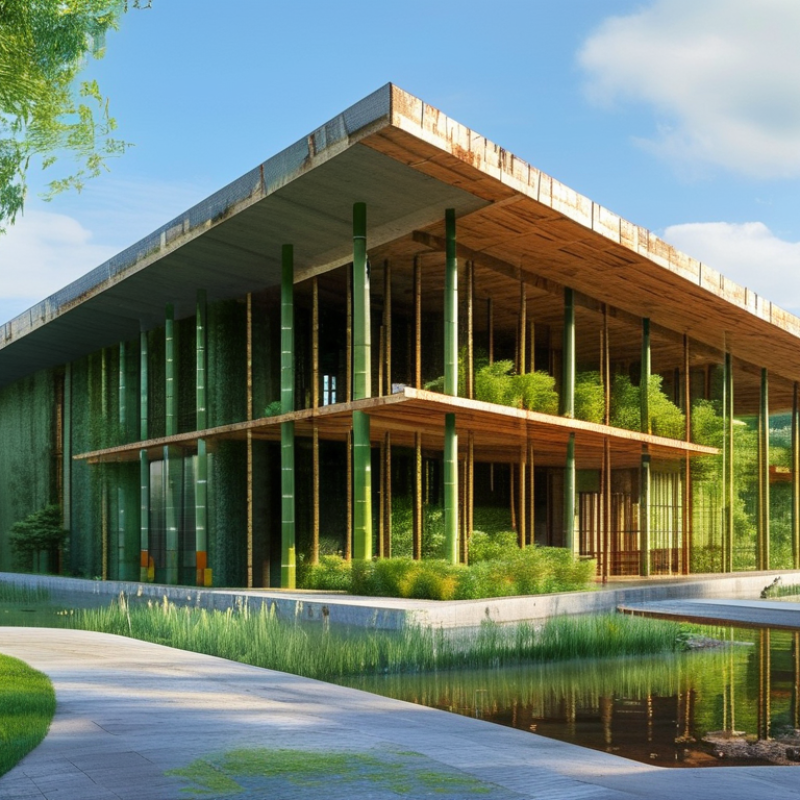
Eco-friendly building materials play a critical role in sustainable projects. These materials minimize environmental impact and improve energy efficiency. Common options include bamboo, reclaimed wood, and recycled metal. They not only reduce waste but also enhance the aesthetic appeal of structures. Using materials like straw bales or rammed earth can also provide excellent insulation.
When choosing eco-friendly materials, consider their source and lifecycle. Sustainable practices should involve local suppliers to reduce transportation emissions. Opt for materials that require minimal processing, as this often lowers carbon footprints. Always check certifications that ensure responsible sourcing.
Tips: Always conduct thorough research on the materials you choose. Seek advice from local experts in sustainable construction. Look into the long-term benefits, such as lower energy costs and improved indoor air quality. Reflect on how your choices impact both the environment and your community. Small changes make a significant difference.
Sustainability in construction is essential to addressing environmental concerns. The construction industry significantly impacts natural resources and ecosystems. Utilizing eco-friendly materials can reduce this impact. These materials often require less energy to produce and can lead to a lower carbon footprint.
Building sustainably fosters healthier living environments. By integrating materials like reclaimed wood and bamboo, projects can enhance indoor air quality. These materials not only serve functional purposes but also add aesthetic value. However, the challenge remains in sourcing these materials consistently. Sourcing eco-friendly materials can sometimes be more expensive. This can deter some builders and clients.
The importance of sustainability extends beyond environmental factors. It is about social responsibility and economic benefits. Sustainable buildings often enjoy lower operational costs. They attract environmentally conscious buyers, enhancing a project's marketability. Despite the challenges, the push for sustainability drives innovation. Each step towards eco-friendly construction is a step towards a better future.
| Material | Environmental Impact | Benefits | Common Uses |
|---|---|---|---|
| Bamboo | Low carbon footprint, rapidly renewable | Strong, lightweight, flexible | Flooring, furniture, wall paneling |
| Reclaimed Wood | Reduces waste, enhances natural beauty | Unique character, sustainable | Decking, framing, furniture |
| Rammed Earth | Low energy use, natural materials | Thermal mass, fire resistant | Walls, foundations |
| Hempcrete | Carbon negative, lightweight | Insulation, breathability | Wall infill, insulation |
| Recycled Metal | Reduces mining impact, durable | Low maintenance, fireproof | Roofing, structural supports |
| Straw Bale | Renewable, natural insulation | Cost-effective, energy efficient | Walls, insulation |
| Autoclaved Aerated Concrete (AAC) | Low energy for production, lightweight | Excellent insulation, fire resistant | Walls, roofs |
| Natural Stone | Long-lasting, minimal processing | Durability, aesthetic appeal | Landscaping, structural elements |
| Recycled Glass | Reduces landfill waste, vibrant designs | Unique aesthetics, energy efficient | Countertops, mosaics, tiles |
| Insulated Concrete Forms (ICFs) | Reduced waste, efficient building | Superior insulation, durable | Foundations, walls |
When it comes to sustainable building, natural materials are essential. They not only reduce environmental impact but also enhance the overall aesthetic. Bamboo is a standout choice. It grows rapidly and sequesters carbon effectively. Many architects are embracing its flexibility and strength in their designs.
Reclaimed wood is another fantastic option. Using salvaged timber reduces waste. Each piece has a story and adds character to spaces. However, sourcing quality reclaimed wood can be challenging. It's important to ensure it is free from harmful treatments. Natural stone is also popular. It offers durability and timeless beauty. Yet, the extraction process can be environmentally damaging, leading to habitat disruption.
Straw bales are gaining traction as insulation. They are cost-effective and provide excellent thermal performance. Yet, moisture control is crucial to avoid mold. Cob, a mixture of clay, sand, and straw, creates a natural, earthy finish. While labor-intensive, the end result is worth the effort. Choosing these materials demands a willingness to explore imperfections, but it leads to authentic green building solutions.
Recycled materials play a crucial role in eco-design. Using innovative materials reduces waste and minimizes environmental impact. From reclaimed wood to repurposed glass, these materials breathe new life into construction projects and encourage recycling. They often boast unique aesthetics, adding character to spaces while promoting sustainability.
Tips for incorporating recycled materials include careful selection. Look for local sources to limit transportation emissions. Regular inspections are wise to ensure quality and safety. Not every recycled material fits every project; evaluate durability and feasibility before making a choice. Sometimes, these materials require extra creativity for effective use.
Choosing recycled materials can be a learning curve. Some might not meet all your expectations at first. For instance, the strength of reclaimed wood varies significantly. Understanding these discrepancies is key to successful eco-design. Engaging with local artisans can also provide insights into the best practices for using recycled materials effectively. The path to sustainability is filled with trial and error, but each step matters.
Choosing eco-friendly building materials is crucial for sustainable construction. The environmental impact of materials can be significant. Bamboo, for instance, grows rapidly and absorbs carbon dioxide, making it a strong, sustainable option. Recycled steel also plays a vital role; it requires less energy to produce than new steel and minimizes waste.
However, the selection process can be complicated. Some materials may have hidden environmental costs. For example, while concrete is durable, its production releases substantial CO2 emissions. Additionally, the sourcing of certain renewable materials could contribute to deforestation if not managed properly.
It's essential to assess the life cycle of materials. Look for options that reduce waste and energy consumption during production and after-use. Understanding local resources can also impact your choices significantly. Making informed decisions requires careful consideration. Awareness of the environmental impact of each choice is key to promoting sustainability in construction.