Top 10 Eco Friendly Building Materials for Sustainable Construction?

Eco friendly building materials are becoming essential in modern construction. As sustainability grows in importance, architects and builders seek materials that minimize the environmental impact. David Lee, a leading expert in sustainable architecture, emphasizes, “Using eco friendly building materials is crucial for preserving our planet for future generations.”

The construction industry significantly contributes to waste and pollution. However, innovative materials can transform how we build. Bamboo, recycled steel, and rammed earth are just a few examples of eco friendly building materials. They not only reduce carbon footprints but also offer durability and aesthetic appeal. Many traditional options present challenges, including high energy consumption and waste.

Yet, adoption of eco friendly building materials isn’t without challenges. Cost and availability can hinder progress. It’s vital for the industry to adapt and find creative solutions. Collaboration among architects, engineers, and suppliers is essential. Building awareness about eco friendly materials can inspire change. As we evolve in our approach, the focus must remain on balance and sustainability.
Top 10 Eco Friendly Building Materials for Sustainable Construction?

What Are Eco Friendly Building Materials?

Eco-friendly building materials are crucial for sustainable construction. They minimize environmental impact and use renewable resources. These materials help reduce waste and energy consumption during the building process. They can also enhance indoor air quality, benefiting occupants' health.

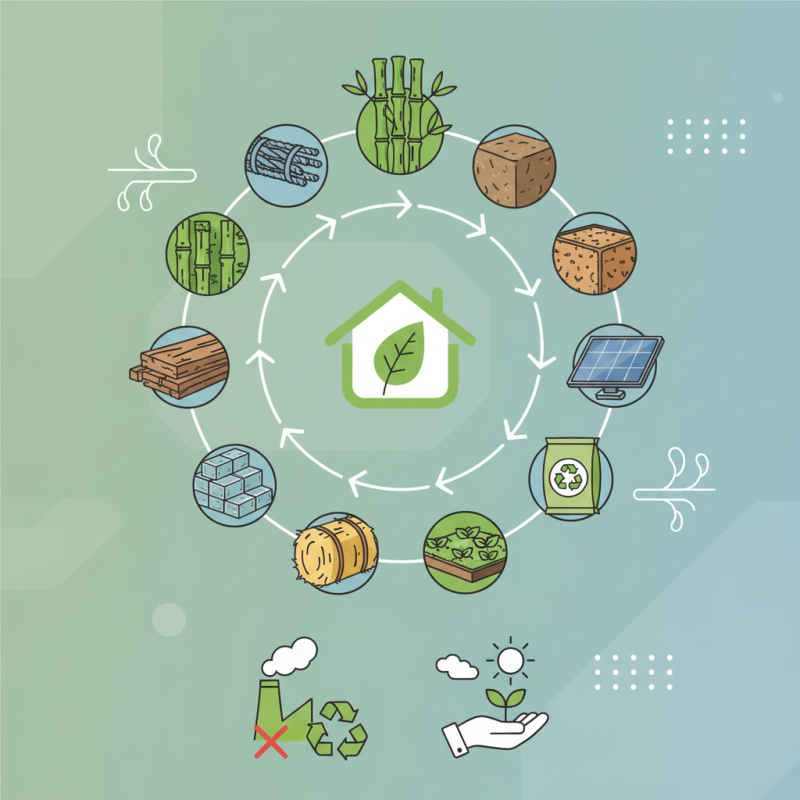
Recycled steel is a popular choice. It requires less energy to produce compared to new steel. Bamboo is another excellent option. It grows quickly and absorbs carbon dioxide, making it a sustainable alternative to traditional wood. Straw bales can be used for insulation; they are inexpensive and highly effective.

However, the term "eco-friendly" can sometimes be misleading. Not all products labeled as such are truly sustainable. Some materials may have a high carbon footprint despite being recyclable. It’s essential to research and validate claims. Sustainable construction is a journey towards better choices, and not every option is perfect.
Top 10 Eco Friendly Building Materials for Sustainable Construction

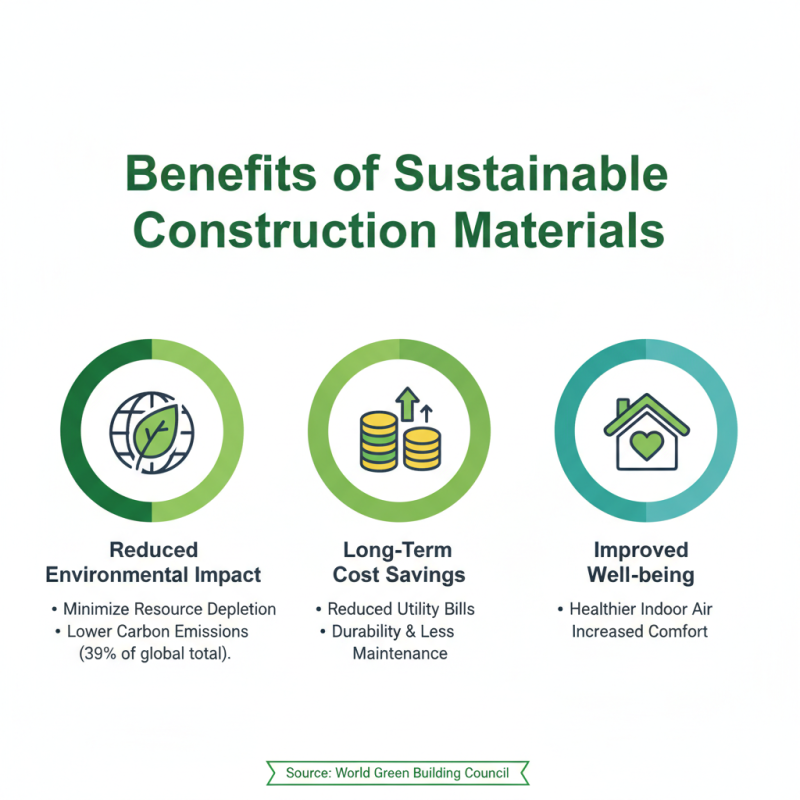
Benefits of Using Sustainable Construction Materials

Top 10 Eco Friendly Building Materials for Sustainable Construction?

Sustainable construction materials are essential for reducing environmental footprints. They help minimize resource depletion and offer long-term cost savings. Research by the World Green Building Council reveals that buildings account for 39% of global carbon emissions. This staggering statistic drives the need for eco-friendly alternatives.

Using materials like recycled steel and bamboo significantly lowers carbon emissions. According to a report by the International Energy Agency, sustainable materials reduce lifecycle emissions by 30-50%. Beyond eco-friendliness, they also enhance energy efficiency. The U.S. Green Building Council states that green buildings can use 30% less energy than traditional ones. This reduction leads to significant cost savings over time.

However, not every sustainable material meets all standards. Some components may face scrutiny for performance or durability. It is crucial to research and choose wisely. Transparency in sourcing and manufacturing processes is vital. Understanding the strengths and weaknesses of each material allows for better decision-making. Balancing eco-friendliness with practicality remains a challenge in construction today.

Top 10 Eco Friendly Materials for Green Building

Sustainable construction increasingly relies on eco-friendly materials. These materials minimize environmental impact and enhance building longevity. For instance, bamboo is a fast-growing plant favored for its strength and flexibility. According to a report by the World Wildlife Fund, bamboo can grow up to three feet a day, making it one of the most renewable resources available.

Recycled materials also play a crucial role. Concrete made from recycled aggregates can reduce landfill waste by up to 20%. The Environmental Protection Agency (EPA) highlights that using recycled materials cuts down on carbon emissions significantly during production. Similarly, reclaimed wood offers a unique aesthetic while supporting sustainability. It reduces the demand for new lumber, preserving forests and habitats.

However, not all eco-friendly options are perfect. The extraction process for some natural materials can harm ecosystems. Additionally, the life cycle of materials needs careful consideration. Certain bio-based products may require significant energy for processing and transport. A thoughtful approach to material selection can ensure a balance between aesthetics and environmental impact. Green building audits often reveal the hidden costs of some "sustainable" materials. Awareness and research are essential in making informed choices.

Top 10 Eco Friendly Building Materials for Sustainable Construction

Material Description Sustainability Benefits Uses
Bamboo A rapidly renewable material that is strong and versatile. High strength-to-weight ratio, reduced carbon footprint. Flooring, furniture, and structural supports.
Recycled Steel Steel reclaimed from old buildings and other structures. Reuses existing materials, reduces waste. Frameworks, roofs, and reinforcements.
Straw Bale Natural insulation material made from straw. Highly insulating and renewable. Wall construction, insulation.
Recycled Plastic Plastic waste transformed into usable materials. Reduces plastic waste, varied applications. Decking, roofing, and insulation materials.
Hempcrete A biocomposite made from hemp and lime. Natural carbon sequestration, non-toxic. Wall infill, insulation.
Ram Earth Compressed earth that forms viable building walls. Low environmental impact, good thermal mass. Wall structures and foundations.
Cork Sustainable material harvested from cork oak trees. Renewable, excellent insulator. Flooring, wall coverings.
Glass Made from sand, soda ash, and limestone. Recyclable and energy-efficient in buildings. Windows, facades, and partitions.
Wood Natural material sourced sustainably. Biodegradable and renewable resource. Framing, flooring, and cabinetry.

Comparative Analysis: Traditional vs. Eco Friendly Materials

The construction industry is at a crossroads. Traditional materials often rely on resources that harm the environment. Studies show that concrete and steel contribute to about 8% of global CO2 emissions. In contrast, eco-friendly materials like bamboo and recycled steel can significantly reduce this carbon footprint.

Bamboo, for example, grows rapidly and absorbs CO2 efficiently. It can replace steel in some applications. A 2020 report indicated that using bamboo instead of steel could cut carbon emissions by up to 60%. Furthermore, recycled steel uses 60% less energy than producing new steel. This shift can create significant savings in both the economy and the ecosystem.

However, challenges remain. Not all eco-friendly materials have the same mechanical properties as traditional options. For instance, while rammed earth is sustainable, its load-bearing capacity can be limited in certain contexts. Furthermore, natural materials may require more maintenance than their synthetic counterparts. Addressing these issues will be crucial for integrating eco-friendly materials into mainstream construction.

Future Trends in Sustainable Building Material Innovations

Sustainable construction is evolving rapidly. Innovations in building materials are leading the charge. According to a report by Research and Markets, the global green building materials market is projected to reach $785 billion by 2027, showcasing immense growth potential. This shift reflects a growing awareness of environmental issues and the need for eco-friendly solutions.

One exciting trend is the use of bio-based materials. These include options like bamboo and reclaimed wood, which have a lower carbon footprint than traditional materials. A study from the World Green Building Council highlights that structures using sustainable materials can reduce energy consumption by up to 50%. However, scalability and availability remain challenges. Not every region has easy access to these materials, raising questions about their widespread implementation.

Another promising development is the integration of smart technology with sustainable materials. For instance, self-healing concrete can extend a building's lifespan, reducing waste. Yet, the cost of such innovations can be prohibitive. Many builders find it hard to justify the initial investment despite long-term benefits. Innovations must balance efficiency with affordability to drive adoption in the industry.