
Choosing the right Air Heat Pump for your home is crucial. This decision can significantly impact your comfort and energy bills. An efficient air heat pump can lower your utility costs and enhance your home's heating and cooling system.
Consider the size of your space. A pump that's too small won't heat or cool effectively. Yet, a unit that's too large may lead to inefficiencies and higher costs. Assess your home’s insulation and layout. These factors influence your air heat pump's performance.
Research the brands and models available. Look for options with good reviews and reliable warranties. Trusted brands often have better support and performance. You might feel overwhelmed by choices. Reflect on what matters most to you. Take your time to find an ideal match for your needs. This investment will pay off in comfort and efficiency.
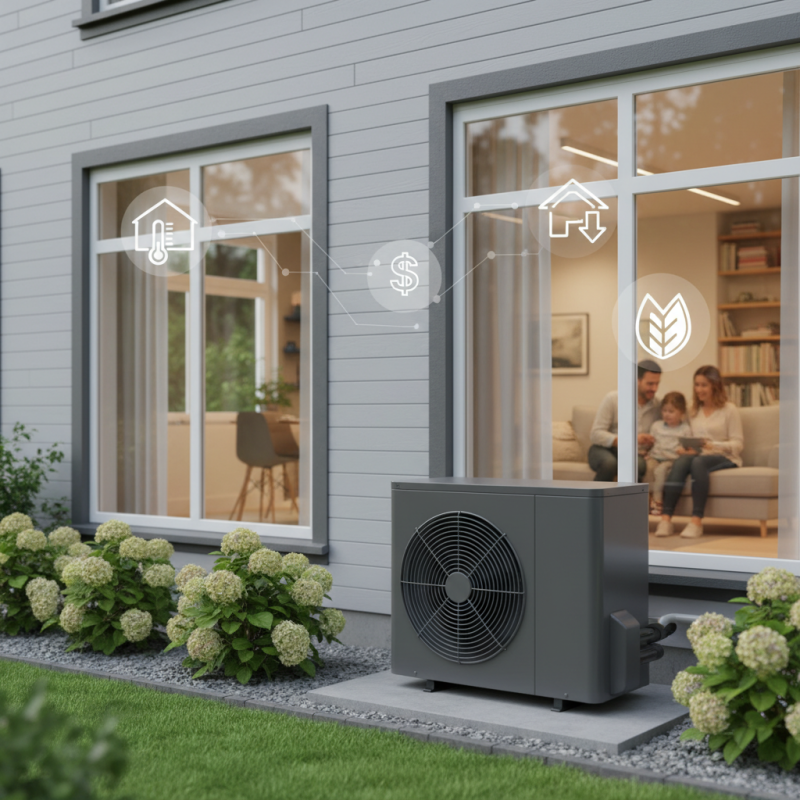
Air heat pumps are essential for home heating and cooling. They work by transferring heat from the outside air to the interior, making them energy-efficient. According to the U.S. Department of Energy, heat pumps can reduce energy consumption by up to 50% compared to traditional heating systems. This efficiency translates to lower utility bills and a reduced carbon footprint.
There are several types of air heat pumps. Air-source heat pumps are the most common. They can work efficiently in various climates, even in temperatures as low as -5°F (-20°C). Ground-source heat pumps, or geothermal systems, harness heat from the ground, which remains relatively constant. However, they require significant upfront investment and installation considerations. Each type has advantages and challenges, and understanding these can help homeowners make informed choices.
Choosing the right air heat pump involves weighing energy efficiency against installation costs. Seasonal Energy Efficiency Ratio (SEER) and Heating Seasonal Performance Factor (HSPF) are critical metrics to consider. They indicate how efficiently a unit operates. Proper sizing is equally important; an oversized unit can lead to inefficiency and comfort issues. Insights from the American Society of Heating, Refrigerating and Air-Conditioning Engineers highlight that proper installation and maintenance significantly affect system performance and longevity.
| Type of Air Heat Pump | Function | Efficiency Rating (SEER) | Average Cost ($) | Ideal Climate |
|---|---|---|---|---|
| Air Source Heat Pump | Heating and cooling by transferring heat from outside air | 14-20 | 3,500 - 7,000 | Moderate climate |
| Ground Source Heat Pump | Uses the earth's stable temperature for heating and cooling | 20-30 | 5,000 - 12,000 | Any climate |
| Ductless Mini-Split Heat Pump | Provides heating and cooling without ductwork | 15-25 | 3,000 - 8,000 | Moderate to cold climates |
| Hybrid Heat Pump | Combines gas furnace and heat pump for efficiency | 16-22 | 4,000 - 10,000 | Cold climates |
When choosing the best air heat pump for your home, several key factors require careful consideration. Size is crucial. An incorrectly sized unit can lead to inefficiency. A heat pump that's too small will struggle to maintain comfort. If it's too large, it might cycle on and off too frequently. This can damage the system over time.
Efficiency ratings should also guide your choice. Look for a model with a high Seasonal Energy Efficiency Ratio (SEER) and Heating Seasonal Performance Factor (HSPF). These numbers reflect how well the heat pump uses energy. A more efficient unit can save you money in the long run.
Tips: Consider the noise level of the unit. Some models can be quite loud, which may disturb your peace. Placement matters, too. Ensure your outdoor unit has adequate airflow. Think about local climate as well. In areas with extreme temperatures, a more robust unit may be needed. Assessing all these factors will lead you to a well-informed decision.
When selecting an air heat pump, understanding energy efficiency is crucial. Look for the Seasonal Energy Efficiency Ratio (SEER) and Heating Seasonal Performance Factor (HSPF) ratings. These measures indicate how well a heat pump converts electricity into usable heating or cooling. Higher ratings often mean lower energy bills, but consider local climate as well. A unit with exceptional ratings may not be necessary in milder regions.
Performance ratings are equally important. Examine the noise levels during operation. Some units can be quite loud, which could impact your comfort. Additionally, check for user reviews and professional assessments. Real-life experiences offer insights into a unit's reliability and performance over time.
While efficiency is vital, balancing cost and effectiveness is key. A highly efficient model may require a larger upfront investment. Reflect on your long-term energy needs versus initial costs. What works for one household may not fit another. Careful consideration will lead to a more satisfying choice.
When considering an air heat pump installation, it's crucial to understand the specific requirements. Ensure your home has adequate space for the outdoor unit, as it needs proper airflow. The location should be free from obstructions like trees or fences. Inspect the insulation in your home. Good insulation minimizes energy loss, enhancing the heat pump's efficiency.
Installation costs can vary widely. Factors include home size, the complexity of the installation, and local labor rates. Expect to invest in additional components, like ductwork or electrical upgrades. A poorly planned installation can lead to high costs later, especially if modifications are necessary. Addressing the challenges during the installation is vital for long-term performance.
It’s also important to select a qualified installer. Check their experience and certifications. One mistake could undermine the unit’s efficiency. Research helps ensure you make an informed choice. Be cautious about overestimating your budget, as unforeseen issues can arise during installation. Proper planning and execution will lead to a more efficient heating solution for your home.
Maintaining your air heat pump is essential for extending its lifespan. Regular cleaning of filters is crucial. Clogged filters reduce efficiency and strain the system. Check and replace them every 1-3 months, especially during peak seasons. Neglecting this simple task can lead to higher energy bills and premature breakdowns.
Additionally, ensure that the outdoor unit is free from debris. Leaves and dirt can block airflow. Trim nearby plants to maintain a clear space around the unit. Scheduling annual professional maintenance can also help. Technicians can identify issues early, preventing costly repairs later.
Don’t overlook the importance of keeping the thermostat calibrated. An uncalibrated thermostat can cause the system to work harder than necessary. This inconsistency may lead to discomfort and wear on the unit. Becoming aware of these maintenance aspects can significantly improve your heat pump’s efficiency and reliability.
This bar chart illustrates key factors to consider when choosing an air heat pump for your home. It compares energy efficiency, noise levels, average lifespan, yearly maintenance costs, and initial costs, helping homeowners make informed decisions.
