
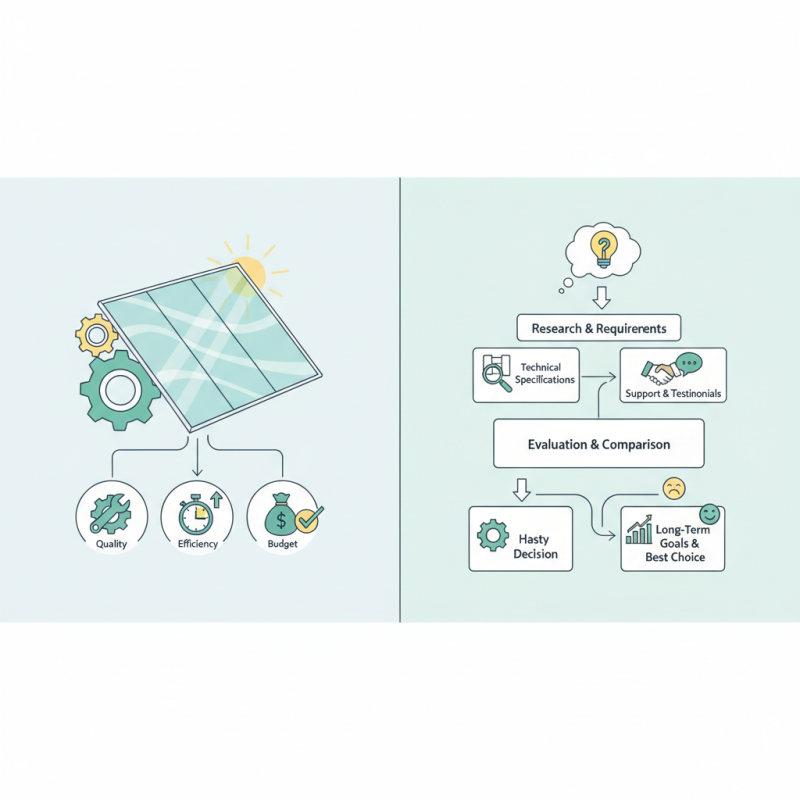
Choosing the right Skylight Sheet Making Machine is crucial for your production needs. Several factors influence your decision. Quality, efficiency, and budget are paramount. A reliable machine can enhance your manufacturing process significantly.
Investing in a Skylight Sheet Making Machine requires a thoughtful approach. Many models exist, each with unique features and functionalities. Understanding your specific requirements is vital. The market offers diverse options, but not all machines will meet your expectations.
Consider the technical specifications and support services offered by manufacturers. Seek testimonials from other users to gauge reliability. Avoid rushing the process, as a hasty decision can lead to regrets. Reflect on your long-term goals and how the machine fits into them. This careful consideration will guide you to the best choice for your needs.
Skylight sheet making machines play a crucial role in the construction and design industries. These machines produce sheets that enhance natural light entry while providing insulation. Understanding their importance helps manufacturers choose the right equipment for their needs.
The selection of a skylight sheet making machine affects efficiency and product quality. Quality sheets reduce energy costs and contribute to sustainable building practices. Factors to consider include the machine's production capacity, material compatibility, and energy consumption.
Tips: Look for machines designed for durability. This can save costs in the long run. Also, consider the learning curve when selecting a machine. The easier it is to operate, the quicker staff can adapt.
Understanding the technology behind these machines is vital. Research available features and functions. It can be challenging to stay updated with advancements. So, regular adjustments and training might be necessary. Embracing these changes can lead to improved production efficiency.
When selecting a skylight sheet making machine, key features play a vital role. A reliable machine should offer versatility in sheet thickness and sizes. Machines capable of producing multiple sheet types, like polycarbonate and acrylic, enhance production options. Look for models that provide easy adjustments, ensuring a smooth transition between different sheet specifications. It’s crucial to evaluate the ease of operation. A user-friendly interface minimizes training time and reduces errors.
Another essential feature is the stability and durability of the machine. A robust build ensures longevity and consistent output quality. Pay attention to the technology used in the machine. Advanced temperature control systems should be present to maintain optimal settings, especially for materials sensitive to heat. It's essential to examine the machine’s maintenance requirements. Machines that are easy to maintain tend to be more reliable over time. Regular upkeep can seem tedious, but it pays off in machine performance.
Finally, consider the machine's energy efficiency. A machine that consumes less energy not only reduces costs but also has a lower environmental impact. Evaluate the aftermarket support offered. Reliable customer service can help address any issues that arise during operation. Each of these elements requires careful consideration to make a well-informed choice. Some features might not seem essential initially, but they can significantly affect production and profitability in the long run.
When selecting a skylight sheet making machine, evaluating the manufacturer's reputation is essential. Reliable manufacturers often have a solid background in the industry. They should provide a track record of producing quality machines. Researching online reviews can help determine the experiences of past customers. This process may expose both positive and negative feedback.
Examining a manufacturer's experience is crucial. A company with years in the field typically showcases a deep understanding of machine reliability. However, new players can also offer innovative solutions. It’s vital to assess their engineering capabilities and after-sales support. Look for case studies that reflect the machine's performance in real-world applications. Engaging with industry forums can provide insights into the performance of different manufacturers over time.
Be cautious of shiny marketing techniques. Sometimes, a flashy website doesn’t equal reliability. Visit manufacturing sites if possible. Observing the production process might reveal inconsistencies. Keep in mind that a well-established company might not always align with your unique needs. Take time to weigh all these factors before making a decision. A cautious approach will serve you well in the long run.
When considering a skylight sheet making machine, budgeting is crucial. Industry reports suggest that costs can vary significantly, with quality machines ranging from $15,000 to $50,000. This range reflects differences in technology and output capability. It’s essential to determine what features matter most for your production needs.
A machine's long-term efficiency affects ROI. Maintenance costs can add up. Some machines require frequent parts replacements, driving up total expenditures. Reports indicate that choosing a more durable model may reduce these ongoing costs. Research shows that investing in higher-quality machines generally leads to lower operational expenses over time.
You might also consider the energy efficiency of the machine. Energy-efficient models could save you 20% on operational costs. However, the upfront investment might be intimidating for some businesses. Analyzing production needs and potential savings is wise. Balancing initial costs with future savings can lead to more informed decisions in the long term.
Choosing the right skylight sheet making machine requires thorough research and consideration. Several factors can influence your decision. Understanding the technical specifications of the machines is crucial. Look into the materials they can handle, the thickness range, and the production speed. Each detail matters as it can affect the quality of your end products.
Tips: When assessing options, consult industry experts. Their experience can provide valuable insights that online resources may lack. This can help you avoid common pitfalls. Also, consider visiting manufacturing facilities to see the machines in action. Observing their operation firsthand can aid in making a well-informed choice.
Explore additional resources to deepen your understanding. Engaging in forums or industry groups can offer diverse perspectives. User reviews can highlight both strengths and weaknesses. Don't ignore these insights; they often reflect real-world experiences. Being aware that not all machines may meet your needs is essential. Some might perform well in theory but fall short in practice. Evaluate all aspects carefully before committing.
