How to Choose the Best Prefabricated Construction Solutions?
In recent years, prefabricated construction has gained significant traction in the building industry. According to a report by Grand View Research, the global prefabricated construction market is expected to reach $202.4 billion by 2025. The shift to modular solutions reflects a growing demand for efficiency and sustainability. However, choosing the best prefabricated construction solutions often presents challenges.
Industry expert Dr. John Smith emphasizes, “The quality of materials and design is crucial in prefabricated construction.” This statement underscores the importance of careful selection. Quality can vary greatly among providers, affecting the overall project outcome. Choices made at this stage can lead to remarkable efficiencies or costly mistakes.
Many developers overlook key factors such as design flexibility and local regulations. These can significantly impact cost and timelines. It's essential to evaluate each provider's offerings thoroughly. Making informed decisions is vital in this quickly evolving field. Ultimately, success in prefabricated construction hinges on understanding these complexities.

Understanding Prefabricated Construction: An Overview
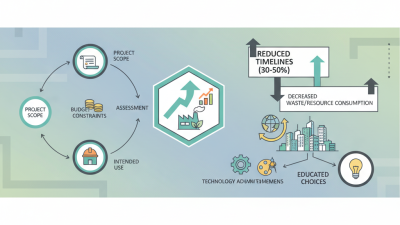
Prefabricated construction has garnered significant attention in the building industry due to its efficiency and reduced waste. This method involves producing components in a factory setting before transporting them to the construction site. According to a report by McKinsey, prefabricated methods can reduce construction time by up to 50% and costs by 20%. This efficiency comes from streamlined processes and minimized onsite labor.
Understanding prefabricated construction means considering its types and applications. Modular housing, for instance, can be set up in weeks rather than months. Studies show that 80% of home buyers appreciate quicker completion times. However, using prefabrication isn't without challenges. Transportation logistics can be complicated. Building codes vary by region, leading to potential hassles. Not every project fits prefabrication perfectly.
Quality control is another crucial aspect. A report by Construction Industry Institute indicates that prefabrication can lead to improved quality consistency. Yet, there are instances of defects arising from factory processes. This highlights the importance of selecting a reliable manufacturer. Effective communication and collaboration with design teams are vital. Each project must be examined individually for its suitability for prefabricated solutions.
Key Factors to Consider When Choosing Prefabricated Solutions
Choosing the right prefabricated construction solution is crucial for project success. Key factors to consider include design flexibility, materials, and supplier reputation. Each element plays a vital role. The design should fit specific needs. It can affect both functionality and aesthetic appeal. In terms of materials, durability and safety are paramount. They impact not just the building's lifespan but also maintenance costs.
Consider your project's time frame. Prefabricated solutions often promise quicker assembly. Yet, not all suppliers can meet deadlines reliably. Research their past performance. Customer reviews can give insight into their reliability. A solid reputation indicates a dependable partner.
**Tips:** Always check certifications. This ensures the materials meet industry standards. Don't hesitate to ask for references. Speak to previous clients to gauge experience. Lastly, make room for adjustments. Designs may need tweaks during the construction phase. Flexibility can save time and costs later on. Crafting a successful prefabricated project means balancing all these factors carefully.
Comparing Different Types of Prefabricated Construction Methods
When exploring prefabricated construction methods, it's crucial to compare the types available. Modular construction often stands out for its speed and efficiency. This method involves assembling sections in a factory before transporting them to the site. However, it may require more upfront planning and design considerations.
Another approach is panelized construction. This technique uses wall panels that are pre-fabricated and then assembled on-site. It offers flexibility but may lead to longer erection times. Additionally, there’s the system-built method, where structures are built in a controlled environment, ensuring quality control. Yet, this method can be more expensive than others.
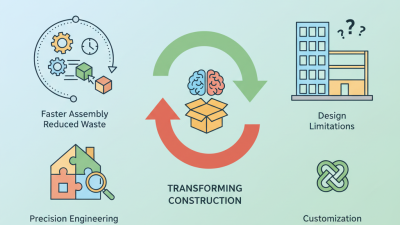
Each method has distinct advantages and drawbacks. For instance, modular construction can limit design options, while panelized methods might face weather delays. Reflecting on these aspects helps in making an informed decision. Careful evaluation of these construction types can guide you to a solution that meets both your needs and constraints.
Evaluating Quality and Durability in Prefabricated Materials
When evaluating prefabricated materials, quality and durability are paramount. It's essential to assess the manufacturing process. Look for materials that undergo rigorous testing. This ensures resistance to weather, moisture, and pests. For example, well-insulated panels might resist heat loss, but they can also fracture over time. Pay attention to real-world performance claims and seek third-party certifications.
Another aspect to consider is the lifespan of the materials used. Some prefabricated solutions may look appealing initially but lack longevity. Analyze how these materials hold up against environmental stressors. Check for warranties that reflect confidence in durability. A short warranty period could indicate potential issues.
Understanding the specifics of material properties can help make informed decisions. For instance, a lightweight material may aid in transport but might compromise structural integrity. Engage with experts or read case studies for insights. Real-life examples often highlight weaknesses that may not be apparent at first glance. This diligence can lead you to a more reliable choice in prefabricated construction solutions.
Analyzing Cost and Time Efficiency in Prefabricated Projects
When analyzing cost and time efficiency in prefabricated projects, it’s crucial to assess various factors. The initial cost of materials can be lower, but unintended expenses may arise. Transportation costs can add up, especially for larger or heavier components. It's essential to have a clear budget that includes all potential expenses. A well-planned budget can offer a realistic view of overall project costs.
Time efficiency is another significant advantage of prefabricated construction. Off-site manufacturing often speeds up assembly. Components can be built simultaneously while site preparation occurs. This dual approach reduces the overall project timeline. However, poor coordination between these processes can lead to delays. Checking the schedules regularly is important.
Consideration of site logistics is vital. A site with limited access may increase transportation times and costs. Evaluating site conditions beforehand helps in identifying potential challenges. Each project is unique, requiring careful planning and flexibility. A comprehensive analysis of both cost and time helps in achieving project goals efficiently.
How to Choose the Best Prefabricated Construction Solutions? - Analyzing Cost and Time Efficiency in Prefabricated Projects
| Project Type |
Estimated Cost ($/sq ft) |
Construction Time (Weeks) |
Efficiency Rating (1-10) |
| Residential Home |
150 |
16 |
8 |
| Commercial Office |
200 |
24 |
9 |
| Modular School |
180 |
20 |
7 |
| Healthcare Facility |
220 |
30 |
10 |
| Retail Space |
160 |
18 |
8 |