
Buying Silicotungstic Acid Hydrate in 2026 requires more than comparing prices on supplier websites. Buyers must confirm chemical identity, hydration state, purity, analytical method, packaging, and intended application. A catalogue description can look complete while leaving important details unclear. That is where procurement decisions become risky.
Green chemistry authority Dr. Paul Anastas offers a useful principle: “It is better to prevent waste than to treat or clean up waste after it has been created.” Applied to Silicotungstic Acid Hydrate, this means selecting a supplier that provides reliable specifications before shipment. Ask for a current certificate of analysis, safety data sheet, batch number, and storage guidance. Check whether the material arrives as a stable, clearly labelled solid, rather than a container with uncertain moisture exposure. Small details matter.
In 2026, serious buyers should also review supplier experience, technical support, production capacity, and delivery history. Request confirmation of purity limits, trace metals, water content, particle characteristics, and retest periods. If the material is intended for catalysis, research, or specialty synthesis, application-specific testing may be necessary. One specification rarely fits every laboratory.
The cheapest offer may create hidden costs. Delays, inconsistent batches, or unsuitable packaging can interrupt experiments and production schedules. Still, no supplier review is perfect. Even experienced teams can overlook a revised specification or an unexpected lead-time change. This guide explains how to compare vendors carefully, verify documentation, and purchase Silicotungstic Acid Hydrate with greater confidence in 2026.
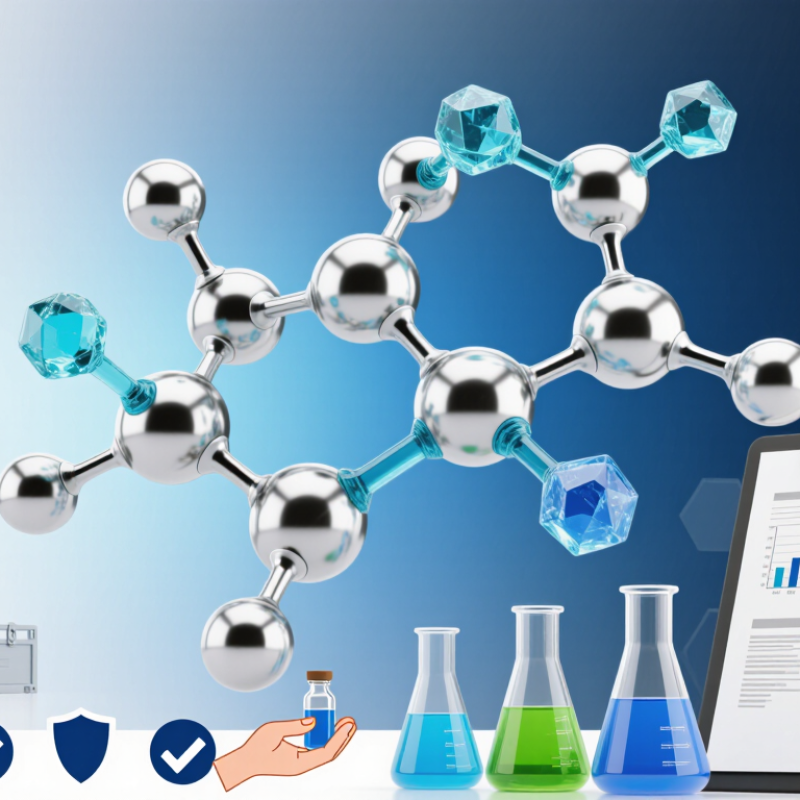
Silicotungstic acid hydrate is a hydrated heteropoly acid containing silicon, tungsten, hydrogen, oxygen, and crystal water. Its commonly reported formula is H4SiW12O40·xH2O. The value of x can vary. PubChem and supplier certificates therefore may show different molecular weights. This detail affects weighing, solution preparation, and reaction yields.
Its strong acidity supports laboratory catalysis, esterification, oxidation studies, and ion-exchange research. It also appears in electrochemical materials, photocatalysis, and analytical chemistry. Some applications remain experimental, so marketing claims deserve careful checking. The USGS Mineral Commodity Summaries 2024 reported about 81,000 metric tons of tungsten mine production worldwide in 2023. That figure shows the broader supply context, but it does not measure silicotungstic acid hydrate availability. Smaller research chemicals can face tighter supply than bulk tungsten products.
Tips: In 2026, request the exact hydrate formula, CAS number, assay, water content, and trace-metal limits. Check whether the certificate uses a dry or as-received basis. Ask for recent batch testing, packaging details, and a safety data sheet. For catalytic work, compare acidity and impurity data, not only price. Store the material in a tightly closed container because moisture changes can alter its calculated concentration. I would also test a small batch first; published specifications are useful, but they are not always perfectly comparable.
Define your grade before requesting a quotation. Silicotungstic acid hydrate may vary by hydration state, assay method, and trace-metal limits. Request the chemical formula, molecular weight basis, CAS number, and a recent certificate of analysis. Do not rely on “high purity” alone. A practical specification may include assay at 99.0% or higher, insoluble matter, chloride, sulfate, iron, sodium, and heavy metals. These limits should match your reaction, catalyst test, or analytical method.
Quantity needs a calculation, not a guess. Start with monthly use, batch size, expected losses, and the supplier’s minimum order quantity. Add a controlled reserve, perhaps 10–20%, if delivery is irregular. The 2025 USGS Mineral Commodity Summaries reported approximately 81,000 metric tons of global tungsten mine production in 2024. That figure describes raw material supply, not reagent availability, but it shows why procurement planning matters for tungsten-based chemicals. Small laboratory orders may face different lead times than pilot-scale purchases.
Ask for packaging details. A sealed 100-gram bottle behaves differently from a five-kilogram container during storage and repeated opening. Confirm moisture protection, lot traceability, retest dates, and recommended storage temperature. Testing from an ISO/IEC 17025-accredited laboratory adds credibility, especially for trace impurities. Still, one certificate is not proof of every future lot. I would challenge my own specification here: setting every impurity limit too tightly can increase cost without improving the experiment. Define what truly affects performance.
Finding a qualified silicotungstic acid hydrate supplier requires more than comparing online prices. Start by checking the supplier’s legal business details, production experience, and quality management records. Ask for a recent certificate of analysis, safety data sheet, and product specification. The documents should state purity, moisture, appearance, batch number, and testing methods. A reliable supplier should also explain the hydrate form clearly. This detail can affect weighing, storage, and laboratory results. Small discrepancies matter.
Request a representative sample before placing a larger order. Inspect its label, sealed packaging, color, and physical condition when it arrives. Compare the sample’s test results with the certificate, preferably through an independent laboratory. Supplier responses also reveal expertise. Can they discuss storage temperature, humidity control, shelf life, and transport packaging? Vague answers deserve caution. I have found that low prices often hide unclear specifications, although price alone does not prove poor quality. That assumption needs checking.
Tips: Confirm batch traceability before payment. Ask for production and retest dates. Choose moisture-resistant inner packaging with clear hazard information. Clarify minimum order quantities, lead time, replacement terms, and export documents. Keep written records of every specification. If the material is intended for research or industrial use, ensure your receiving team can handle and store it according to the supplied safety information. Never rely on a single document; independent verification is safer.
When buying silicotungstic acid hydrate in 2026, compare landed cost, not the headline quotation. Ask suppliers to state purity, hydrate form, assay method, and price basis clearly. UN Comtrade trade values can provide a broad market reference, but they are customs-reported averages, not supplier offers. A low price may exclude testing, export documents, insurance, or inland transport.
Request a current Certificate of Analysis for every lot. It should show assay, moisture, major impurities, batch number, test date, and laboratory method. Also request the Safety Data Sheet, traceability statement, and quality-system certificate. Check whether the certificate matches the material actually offered. Generic certificates deserve questions. I would not accept a perfect-looking document without lot details.
Packaging affects both safety and cost. Compare inner liners, moisture barriers, drum or carton strength, net weight, pallet design, and labeling. Small packs may reduce contamination risk but increase handling charges. Confirm storage conditions, shelf-life guidance, and replacement terms for damaged goods. Delivery quotes should identify Incoterms, lead time, minimum order quantity, and port responsibilities. The World Bank’s 2023 Logistics Performance Index assessed 139 economies across customs, infrastructure, tracking, and timeliness. Use those factors when reviewing delivery promises. A quoted five-day dispatch is not the same as five-day arrival. Build a realistic buffer. Industry data helps, but the final decision still needs written, lot-specific evidence.
Use the anhydrous formula composition as a practical identity check when comparing certificates, specifications, packaging, and delivery terms.
The chart shows the calculated mass contribution of each element in H₄SiW₁₂O₄₀, excluding crystallization water. Tungsten represents approximately 76.66% of the anhydrous formula mass, so buyers should verify the stated hydrate form, assay basis, water content, batch number, and certificate of analysis before comparing prices. Packaging integrity and confirmed delivery terms should also be checked because hydration status can affect the reported molecular weight.
Buying silicotungstic acid hydrate safely starts with identity verification. Request the chemical name, CAS number, hydrate form, assay, water content, and batch number. Compare these details with the certificate of analysis. Do not rely on a product photograph. The UN GHS 10th revised edition requires safety data sheets to use 16 sections. Check every section, especially composition, hazards, handling, storage, and transport. A missing revision date is a warning sign.
Before ordering, confirm packaging size, seal type, lead time, and return conditions in writing. Ask for recent test results, not only a generic specification sheet. Independent testing may be sensible for research-grade material. It costs more, but an incorrect hydrate can distort experiments badly.
I have seen purchasing workflows treat “high purity” as proof. It is not proof. The certificate should identify the tested batch.
Tips:
Use a purchase order with exact specifications. Photograph the outer carton before opening. Check for moisture, broken seals, stains, or unexpected color changes. Record the receiving date and storage location.
Follow the supplier’s current SDS, ISO 11014:2009 guidance, and local chemical-storage rules. Store the container tightly closed in a cool, dry, ventilated cabinet. Keep it away from incompatible materials and direct sunlight.
Secondary containment helps. It is a small step. Label opened containers with the date, operator, and remaining quantity.
