Building design plays a crucial role in the field of architecture. It shapes the spaces we inhabit and influences our daily lives. Renowned architect Frank Gehry once stated, "Building design is the art of creating relationships between people, space, and environment." His words reflect the essence of how building design transcends mere aesthetics.
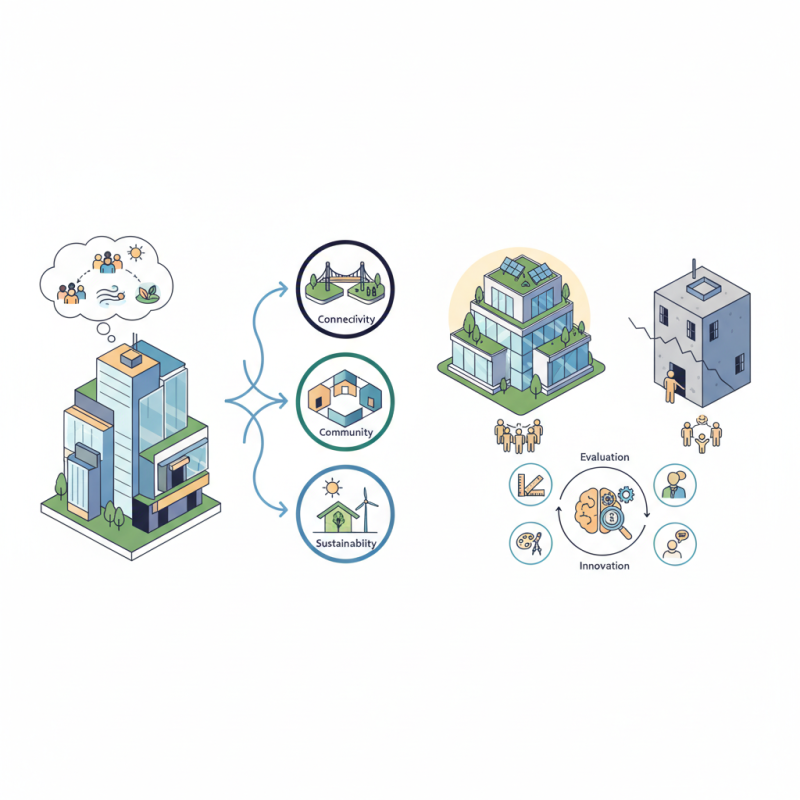
Every structure tells a story. The materials, layout, and functionality all contribute to how we interact with our surroundings. Thoughtful building design can enhance connectivity, foster community, and promote sustainability. However, not all designs achieve this. Some fail to address practical concerns, leaving occupants feeling isolated or uncomfortable.
Innovative building design must challenge norms and embrace reflections on both success and failure. It requires a deep understanding of context, aesthetics, and human behavior. Architects and designers must constantly evaluate their work. The ongoing dialogue in building design is vital, as it helps us grow and adapt to our changing environment.
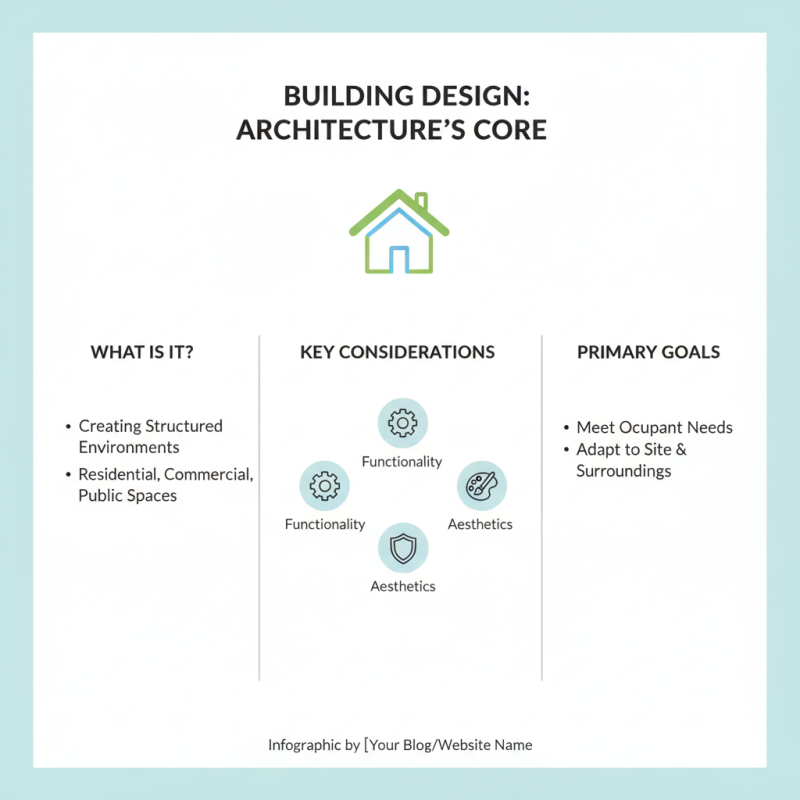
Building design is a fundamental aspect of architecture. It refers to the process of creating a structured environment. This includes residential, commercial, and public spaces. Designers consider functionality, safety, and aesthetics. They aim to meet the needs of occupants while adapting to the site and its surroundings.
In architectural terms, building design encompasses a variety of elements. These range from the overall layout to intricate details like fixtures and finishes. It's not just about creating a visually appealing facade. The plan must also address practical needs, like energy efficiency and accessibility. However, sometimes the balance is off. Design may favor style over function, leading to uncomfortable spaces.
An effective design process requires collaboration among various professionals. Architects, engineers, and clients must communicate well. Still, misinterpretations can occur. Designers might overlook specific requirements, which can affect the project. This highlights the need for constant reflection and adaptation in building design.

Effective building design hinges on various key elements that shape both functionality and aesthetics. One critical aspect is spatial organization. A well-thought-out layout maximizes usability while providing a sense of flow. According to a 2022 report from the American Institute of Architects, poorly designed spaces can hinder productivity by up to 30%. This is crucial in offices and public areas. Ensuring natural light flows can also enhance the atmosphere, directly impacting occupants' well-being.
Another essential element is material selection. Sustainable materials not only support the environment but also influence the building's lifespan. The Global Sustainability Report notes that buildings using eco-friendly materials see a 20% reduction in maintenance costs over time. However, many architects overlook sustainability, focusing too much on immediate costs. This short-sightedness can lead to long-term consequences.
While aesthetics play a vital role, they should not overshadow functionality. Buildings should meet the needs of their users. For instance, excessive ornamentation can complicate maintenance. Effective design finds a balance, creating spaces that are both beautiful and practical. Addressing such issues during the design phase is vital for future success.
| Element | Description | Importance |
|---|---|---|
| Functionality | Design must fulfill the purpose and usability for its occupants. | Ensures the building serves its intended function efficiently. |
| Aesthetics | Visual appeal and beauty of the building's design. | Creates a pleasant environment; enhances user experience. |
| Sustainability | Incorporating eco-friendly materials and energy-efficient systems. | Reduces environmental impact; promotes longevity of resources. |
| Safety | Ensuring the building complies with safety regulations and standards. | Protects occupants and reduces liability for owners. |
| Cost-effectiveness | Balancing quality design with budget constraints. | Maximizes returns on investment; ensures financial viability. |
| Flexibility | Design that allows for future modifications and adaptability. | Accommodates changes in usage or technology over time. |
Building design plays a crucial role in sustainable architecture. Effective design can significantly reduce a building's energy consumption. According to a study by the World Green Building Council, green buildings use up to 30% less energy than traditional structures. This statistic underscores the importance of thoughtful design in creating sustainable environments.
Sustainable architecture focuses on resource efficiency. This includes energy, water, and materials. A well-designed building can harness natural light, improving indoor comfort and reducing electricity bills. Furthermore, the integration of green spaces can enhance air quality. Research shows that buildings with greenery can lower temperatures by 2-5 degrees Celsius, which is vital in urban areas struggling with heat.
However, not all designs achieve their intended goals. Some projects may overlook the long-term impacts of materials chosen. For instance, using rapidly renewable materials can have both benefits and drawbacks. While they help reduce the carbon footprint, their sourcing can sometimes lead to ecological disruption. It is essential to reconsider these choices for a truly sustainable outcome.
Building design is more than aesthetic appeal. It significantly impacts functionality. A well-designed space enhances user experience and boosts productivity. Consider an office layout. Open spaces foster collaboration. However, noise can be distracting. It’s a delicate balance.
Aesthetic choices, like color and texture, influence mood. Bright hues may energize spaces. However, too many colors can overwhelm. It's crucial to fit design elements to the space’s purpose. A serene environment supports focus, while vibrant areas encourage creativity. Lighting plays a key role as well. Natural light improves well-being, yet improper placement can lead to glare.
Design flaws can hinder usability. For example, cramped hallways restrict movement. Think about a building’s flow. It needs clear pathways and moments of pause. Reflection on these details is vital. The goal should be to create spaces that truly serve their purpose while being visually appealing. Every element must be intentional. When design aligns with function, brilliance happens.
Building design faces various challenges today. Balancing aesthetics and functionality is often difficult. Architects must navigate client demands while addressing budget constraints. Sustainability adds another layer of complexity. More projects are leaning towards eco-friendly practices. Green materials and energy-efficient systems are essential, yet they can push costs higher.
Emerging trends influence current practices. Smart technology integration is on the rise. Buildings equipped with intelligent systems enhance comfort and efficiency. However, not all designers adapt quickly. Some ignore the importance of user experience. Biophilic design is another trend gaining traction. Incorporating natural elements can boost well-being. Still, it requires careful planning and creativity.
Cultural and social contexts shape modern building design. Architects must consider community needs, yet the focus can sometimes shift to profitability. This creates disconnected spaces. There is a need for more public engagement in design decisions. As trends evolve, maintaining a balance between innovation and tradition becomes essential.