Why is Building Construction Essential for Global Procurement?

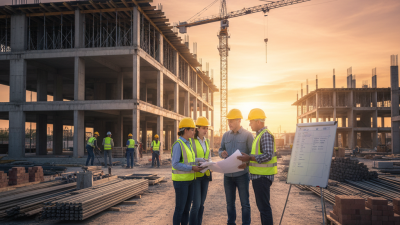
Building construction plays a critical role in global procurement. According to a report by Statista, the construction industry was valued at approximately $10 trillion in 2020. This figure highlights the sector's immense influence on international trade. Construction drives demand for materials and services across borders. Suppliers seek opportunities in growing markets, where building construction is a priority.

Investing in building construction creates numerous jobs. The World Economic Forum estimates that the sector employs over 200 million people worldwide. These jobs span various skill levels, supporting local economies and fostering development. However, challenges persist. Sustainability concerns and resource management often lead to inefficiencies and waste. The industry must constantly adapt to meet these demands responsibly.

As regions evolve, building construction influences global supply chains. The need for innovative solutions is more pressing than ever. Various reports indicate that digital technology can improve project delivery and reduce costs. However, not all firms have adapted, highlighting an opportunity for growth and reflection. The future of global procurement largely depends on how the building construction sector addresses these challenges.

Why is Building Construction Essential for Global Procurement?

Importance of Building Construction in Global Procurement Strategies

Building construction plays a pivotal role in global procurement strategies. It provides the infrastructure needed for businesses to thrive. Well-structured buildings ensure efficient supply chains and enhance the logistics involved in procurement processes. They enable companies to store materials, manage inventory, and facilitate transportation more effectively.

When considering a construction project, think about the local environment. Engaging with local suppliers can lead to cost savings. Also, it fosters community relationships and can streamline procurement. Construction projects can often face delays or budget overruns. Careful planning and compliance with regulations can mitigate these risks.

Here’s a tip: always conduct a feasibility study before starting a construction project. Understanding the potential challenges early can save time. Additionally, maintain open communication with contractors and suppliers. Strong relationships can alleviate issues as they arise. Remember that flexibility in your approach can lead to better outcomes.

Importance of Building Construction in Global Procurement Strategies

Role of Infrastructure in Facilitating International Trade and Commerce

Infrastructure plays a crucial role in international trade and commerce. Well-constructed buildings, roads, and ports enhance connectivity. They enable the smooth flow of goods across borders. For businesses, this means faster delivery times and reduced costs. A robust infrastructure attracts foreign investment by providing reliable facilities.

Many countries struggle with outdated infrastructure. Poor roads can delay shipments. Inadequate ports may cause congestion. These hurdles hinder global trade. Addressing these issues requires investment and planning. Public-private partnerships can drive this change. Investing in modern infrastructure benefits not only trade but also local economies.

Ultimately, efficient infrastructure is vital for a competitive edge. Countries with strong frameworks will prosper. Those that neglect it risk falling behind. Nations must commit to ongoing development. This focus on infrastructure ensures a thriving global marketplace. Properly maintained and updated facilities provide a foundation for future growth.

Impact of Building Codes and Standards on Global Construction Practices

Building codes and standards are pivotal in shaping global construction practices. These regulations ensure safety, sustainability, and quality in building projects. They protect both workers and occupants by enforcing structural integrity. In many cases, adherence to these codes can significantly reduce construction failures.

Different countries have unique building standards, reflecting local climates, materials, and cultural values. This diversity complicates international procurement, as companies must navigate various regulations. Understanding these codes is essential for project success. Failing to comply can lead to delays, fines, or even the need to redo work.

There is also a growing emphasis on sustainability. Many building codes now require eco-friendly materials and energy-efficient designs. This shift impacts how products are sourced globally. For instance, suppliers must adapt to these evolving standards, ensuring their materials meet strict guidelines. Without awareness and adaptability, businesses may struggle in the competitive construction market.

Why is Building Construction Essential for Global Procurement? - Impact of Building Codes and Standards on Global Construction Practices

Dimension Description Impact on Global Construction
Building Codes Regulations that specify the standards for construction and safety. Ensure safety and compliance across different regions, facilitating smoother international projects.
Standards Established norms and guidelines for building materials and practices. Promote uniformity and quality assurance in construction, boosting international trade.
Sustainability Principles aiming to minimize environmental impact in construction. Encourages eco-friendly practices and compliance with global sustainability guidelines.
Compliance Ensuring that construction activities meet legal and regulatory requirements. Facilitates market entry for contractors and suppliers in diverse regions.
Risk Management Strategies to identify and mitigate potential project risks. Enhances project reliability and investor confidence across borders.

Sustainability Considerations in Global Construction and Procurement Processes

Sustainable construction is key in global procurement. As projects expand worldwide, the focus on eco-friendly practices grows. Buildings account for a significant portion of carbon emissions. This reality pushes industry leaders to rethink strategies.

New materials can reduce energy consumption. For instance, using recycled materials lowers environmental impact. However, sourcing these materials can be challenging. Not all suppliers prioritize sustainability. This inconsistency may lead to greenwashing, where claims exceed actual practices. Buyers must distinguish genuine efforts from mere marketing.

Training workers in sustainable methods is vital. Skilled labor ensures proper implementation of eco-friendly techniques. Yet, budget constraints often limit training opportunities. This gap can hinder project effectiveness. Striking a balance between cost and sustainability requires innovation and commitment.

Challenges and Opportunities in International Building Projects and Procurement

International building projects face numerous challenges. Cultural differences can create misunderstandings among stakeholders. Language barriers often complicate communication. Delays in construction schedules may arise due to these issues. Time zone differences can hinder timely decision-making. Additionally, legal frameworks vary widely across countries. Navigating these variations is often frustrating for project leaders.

Despite these challenges, international procurement offers unique opportunities. Access to diverse materials can enhance project quality. New technologies emerge from different regions, pushing innovation. Collaborating with global partners can expand market reach. These partnerships can also drive sustainability in construction practices. However, misalignment in goals can lead to project failures. Companies must build trust to mitigate risks effectively.

In conclusion, recognizing these complexities can guide future endeavors. Successful international construction requires careful planning. It is essential to embrace flexibility and adaptability. Understanding local contexts strengthens project outcomes. Building enduring relationships will pave the way for future projects.