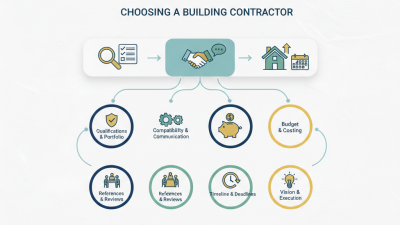
Building projects can seem daunting at first. However, with the right approach, anyone can succeed. As John Doe, a renowned expert in construction management, once said, "Starting with a clear plan is essential for building projects." This statement captures the essence of beginning any construction journey.
When embarking on building projects, clarity and organization are key. Defining your goals and resources early helps shape your project’s direction. Whether it's a small renovation or a large development, consider the specifics. What materials will you use? Who will join your team? These questions can prevent costly mistakes down the line.
Yet, not all projects go as planned. Challenges often arise. It's important to remain adaptable and open to feedback. Reflect on what works and what doesn’t. This process not only enhances your skills but also strengthens your projects' outcomes. Building projects can be a rewarding experience, filled with learning opportunities and the possibility of unexpected success.

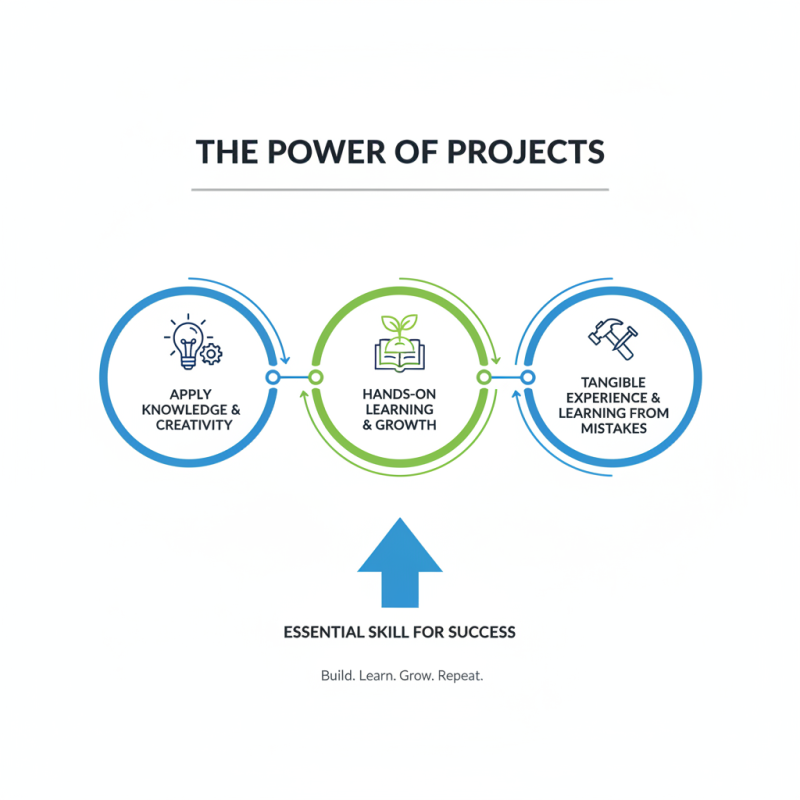
Building projects is an essential skill in many fields. It allows individuals to apply their knowledge and creativity. Understanding the importance of project building is crucial to personal and professional growth. It offers hands-on experience and a tangible way to learn from mistakes.
Engaging in projects helps to clarify goals and improve problem-solving skills. Each project presents unique challenges that test your abilities. You may face setbacks; that’s normal. Learning to navigate failure will strengthen your resilience. Evaluating what went wrong is just as vital as celebrating successes.
Additionally, every project enhances collaboration skills. Working with others allows you to gain diverse perspectives. This exchange can cultivate innovative solutions. Yet, it’s important to communicate openly and embrace feedback. Not all ideas will be accepted, but growth comes from these interactions. Project building shapes not only outcomes but also character.
Choosing the right project to start can be daunting. Identifying your skills and interests is essential. According to a report by the Skill Development Agency, 70% of individuals find greater satisfaction in projects that align with their abilities. This alignment often leads to better outcomes and a more enjoyable process.
When selecting a project, conduct a skills inventory. List what you excel at and what you enjoy. This will provide direction. If you're unsure about your skills, consider taking online assessments. These can reveal hidden talents. Reflect on past experiences. What projects excited you? What skills did you use? Assessing your interests can guide you to the right project.
Tips: Start small. Pick a project that requires minimal resources. Avoid overwhelming yourself. Also, be open to feedback. The more reviews you gather, the more you'll grow. Remember, not every idea will succeed. Some will be stepping stones, while others might lead to frustration. Embrace the learning process through trial and error.
This bar chart represents the skills and interests of potential project builders. The data includes the percentage of individuals who express interest in various project categories, showcasing the most popular areas for development.
Creating a structured plan is essential for building projects effectively. A clear roadmap helps you visualize the entire process. Start by defining your project goals. What do you want to achieve? It is crucial to get specific. Vague goals lead to wasted time. For example, instead of saying, “I want to improve,” specify how you will measure success.
Next, break your project into manageable tasks. Assign deadlines to these tasks. This creates a sense of urgency. Document everything. Writing things down helps you stay organized. Use tools like spreadsheets or simple lists. But don’t get overwhelmed by tools. Overthinking your process can stall your progress.
Finally, reflect on your progress regularly. Are you on track? Identify obstacles and adjust your plan. This is not always easy and can feel frustrating. Sometimes, plans need to change halfway. Embrace this flexibility. Learning to adapt is key to successfully completing any project.
Gathering resources and tools is vital for effective project execution. Begin by identifying what you need. Make a checklist that includes materials, software, and skills. Some items might be easy to find, while others are challenging. Researching tools can feel overwhelming. It is essential to take your time while noting down options.
Once you have a list, prioritize based on your project’s demands. Consider the budget as well. Some tools may seem essential but can end up being unnecessary. It's a common mistake to overestimate what you need. Reflection helps in refining your approach. Engage with others to gather insights about their tool choices. Online forums can provide diverse opinions, which may highlight blind spots in your plans.
Lastly, keep flexibility in mind. As you gather resources and tools, be prepared for adjustments. Changes are part of the process. Sometimes, the perfect tool might not exist, and that’s okay. Embrace a trial-and-error mindset. Allow yourself to revisit your list, understanding that project execution often involves evolving needs. Learning from these experiences strengthens future endeavors.
| Resource/Tool | Category | Purpose | Cost |
|---|---|---|---|
| Project Management Software | Software | Task tracking and scheduling | $10 - $30/month |
| Collaboration Tools | Software | Team communication | $5 - $20/month |
| Prototyping Tools | Software | Design and prototyping | Free - $50/month |
| Version Control Systems | Software | Code management | Free - $7/user/month |
| Cloud Storage Solutions | Cloud Service | File storage and sharing | $0 - $25/month |
| Research and Development Tools | Software | Research analysis | Varies widely |
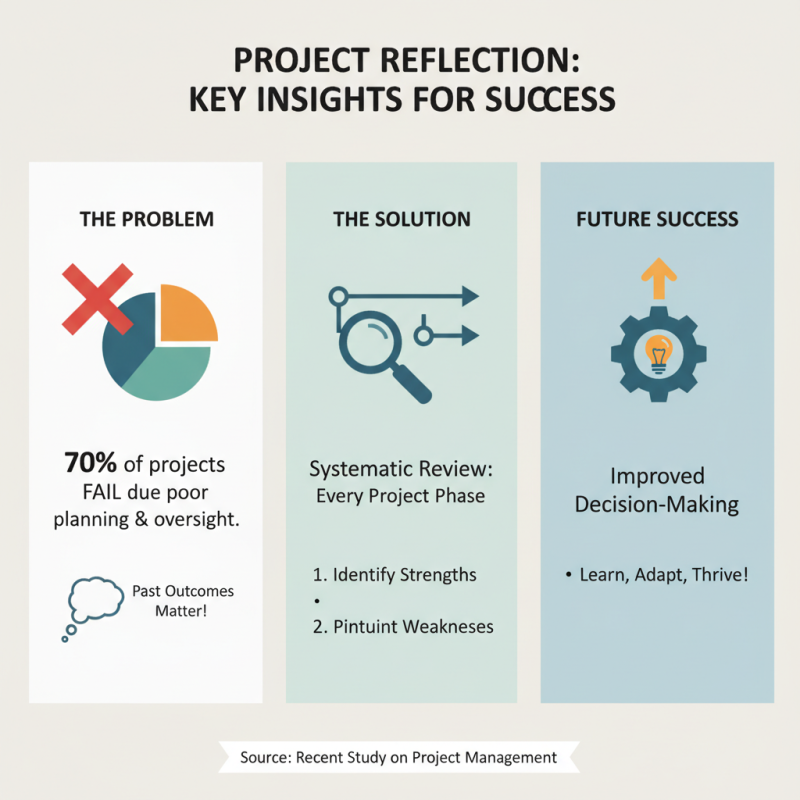
When embarking on a new project, reflecting on past outcomes can be crucial. A recent study revealed that 70% of projects fail due to poor planning and oversight. This emphasizes the importance of evaluating what worked and what did not. By systematically reviewing every phase of a project, you can identify strengths and weaknesses. This can also lead to improved decision-making in future endeavors.
Furthermore, gathering feedback from team members fosters a deeper understanding. Only 40% of team members feel comfortable sharing honest opinions about project outcomes. Addressing this gap can improve project quality. Regular check-ins and anonymous surveys can help provide the necessary insights. Such reflections can uncover missed opportunities and enhance learning for all involved.
Incorporating defined metrics is essential for tangible evaluation. Data shows that teams that define success metrics prior to project initiation have a higher chance of meeting their goals. However, these metrics must also allow room for flexibility. Adjustments based on real-time feedback can offer crucial insights. Remember, every project is a learning experience, filled with imperfections and growth opportunities.